Early account creation on social media reduces students' academic performance
- Italian scientists studied several thousand schoolchildren.
- Early exposure to social networks is associated with a drop in grades.
- The difference persists after accounting for family factors.
- Recommendations: age restrictions and digital literacy.
In recent years, the rise in popularity of social networks among children and teenagers has become the subject of numerous discussions. Parents and educators are concerned that excessive time spent online may distract from studies.
An Italian team of researchers decided to empirically test this hypothesis. They collected anonymous data from several thousand schoolchildren from different regions of Italy, covering ages from 10 to 15 years. The database contained information about the age at which the child created their first social media account, as well as their academic performance in core subjects.
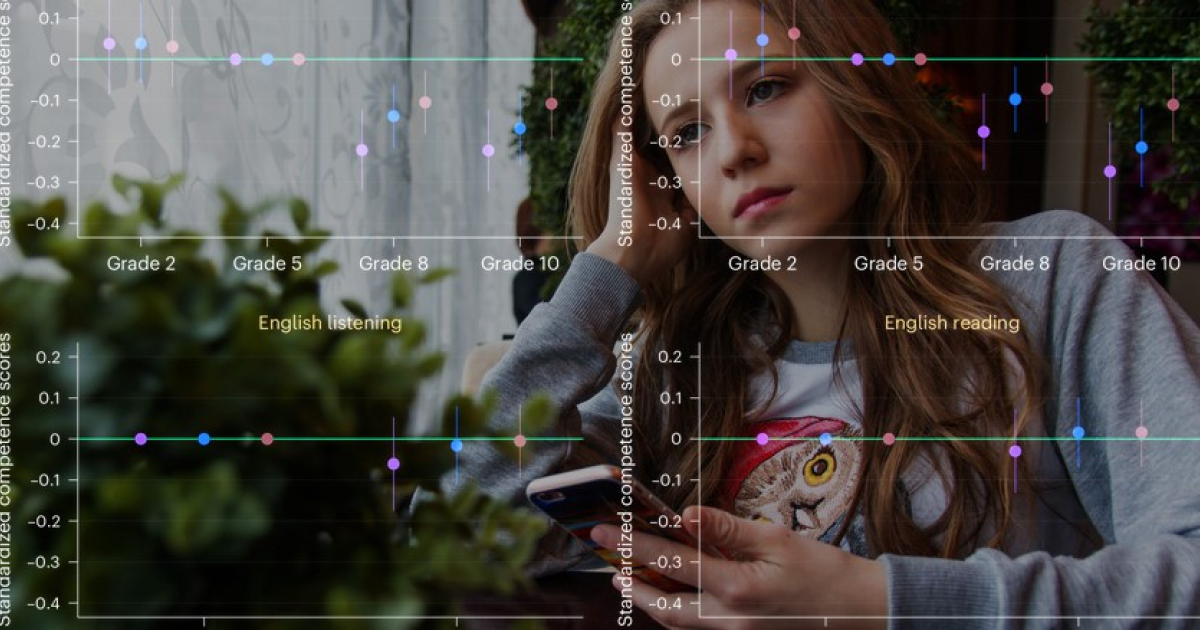
The analysis showed that students who opened an account before the age of 12, on average, received grades that were 0.4–0.6 points lower compared to those who started using social media later. The difference persisted even after accounting for factors such as family income, parents' education level, and the number of hours spent on homework.
Researchers also noted that early exposure to platforms dominated by short visual formats and a fast flow of information may affect the ability to maintain prolonged concentration and plan the learning process.
Context and comparison with other studies
The results obtained are consistent with data from previous works conducted in the USA and Northern Europe, where a negative impact of intensive online communication on academic performance was also recorded. However, the Italian study stands out for its broader coverage of school institutions and detailed consideration of socio-economic variables.
The authors emphasize that their findings do not imply a complete ban on social networks for children, but rather indicate the need for a more conscious approach to their use. They recommend that parents set age limits and monitor the time spent online, and that schools include digital literacy skills in their curricula.
Publication in the journal Nature Human Behaviour gives the research a high scientific status, confirming that the issue of the impact of social media on education remains relevant and requires further study.
Source: N+1