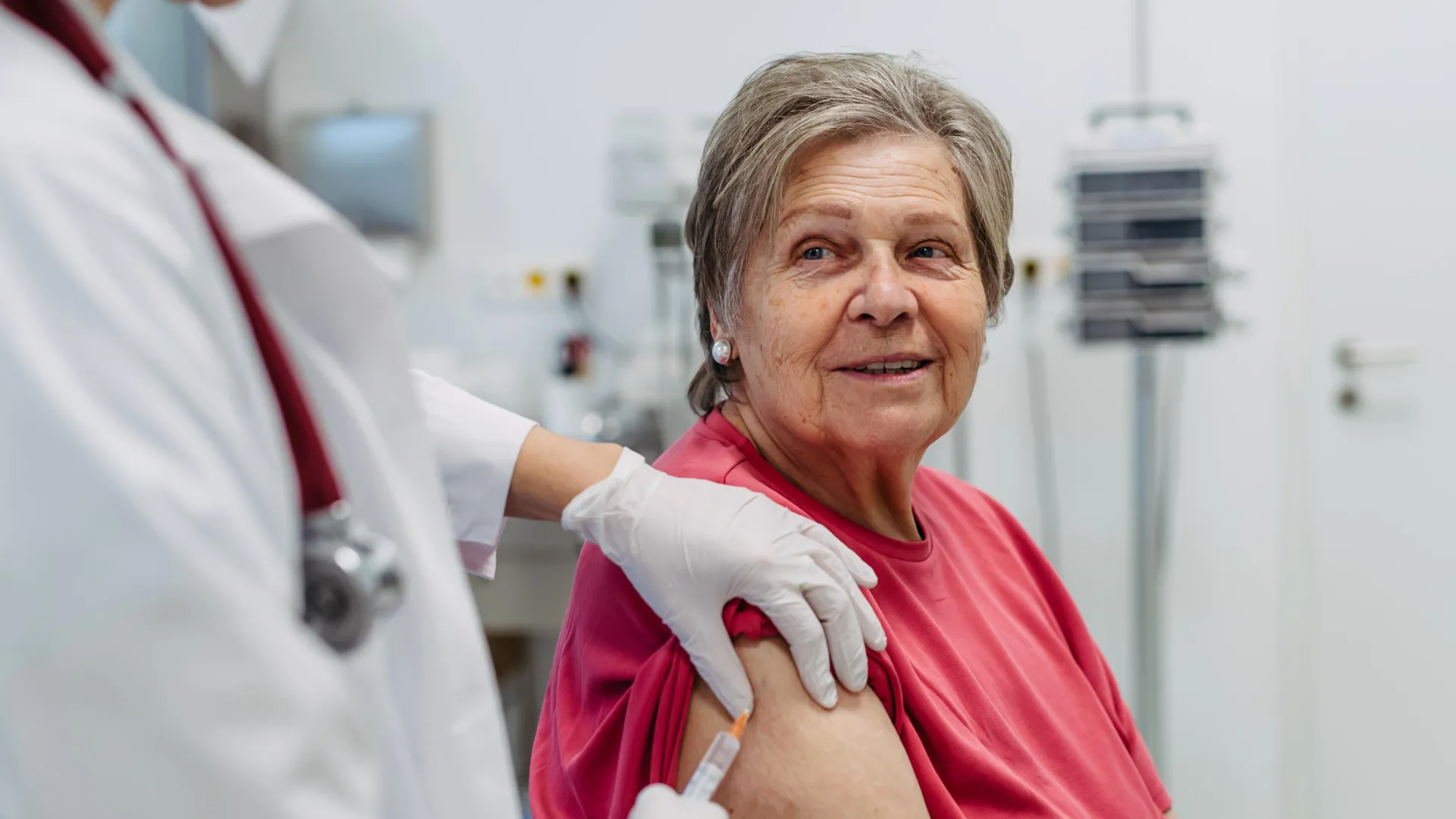
The world's first vaccine against diphtheria and tetanus without refrigeration has completed Phase I.
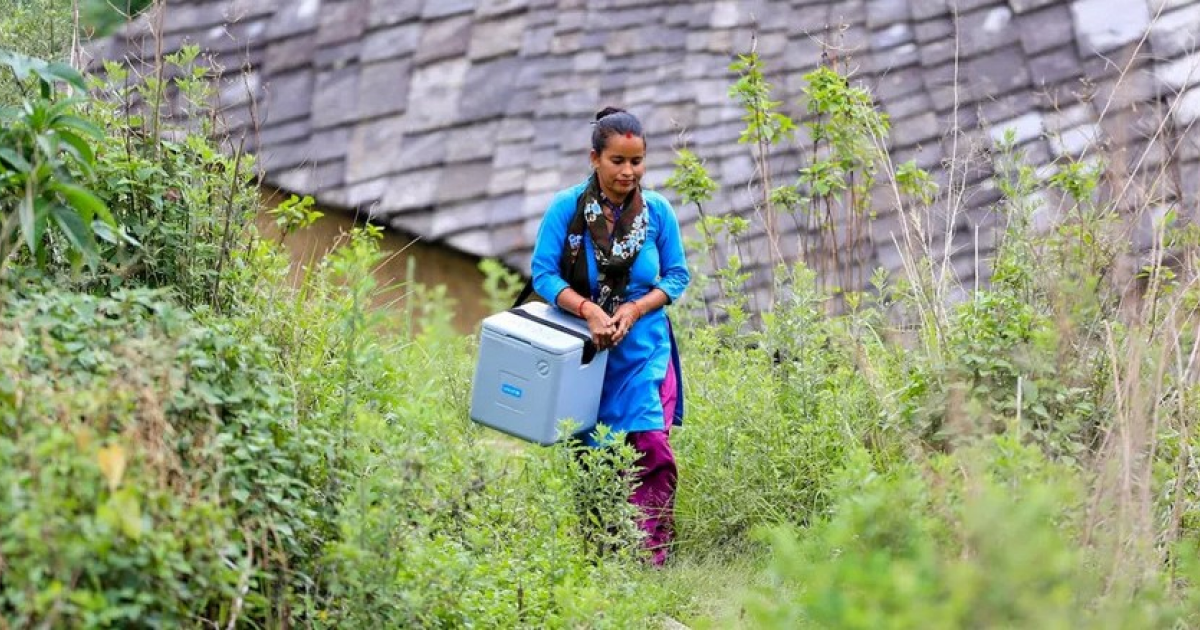
- The British-Bulgarian vaccine passed phase I without serious side effects.
- The immune response is comparable to traditional medications
- The vaccine retains its properties at room temperature
- The results were published in the journal eClinicalMedicine
Researchers from the UK and Bulgaria presented the results of the initial phase of clinical trials for a vaccine targeting two dangerous infections – diphtheria and tetanus. The product is notable for its ability to be stored and transported without refrigeration, opening new opportunities for vaccination in remote areas.
Progress of the first phase
In phase I, healthy volunteers aged 18 to 55 participated in the experiment. Participants received a single dose of the new product, after which the immune system's response was recorded and possible side effects were monitored for several weeks.
Safety showed satisfactory results: no serious adverse reactions were observed in the subjects, and mild local reactions (pain at the injection site, slight redness) were rare and resolved quickly.
The immunogenicity of the vaccine was also found to be at the level of already used preparations. The level of antibodies to diphtheria and tetanus toxins after vaccination was compared to that achieved with traditional vaccines that require a cold chain.
The comparative analysis confirmed that the lack of need for refrigeration does not reduce the effectiveness of the product. This is especially important for countries with limited resources, where maintaining stable temperature conditions often poses a logistical challenge.
The trial results were published in the peer-reviewed journal eClinicalMedicine, where the authors emphasized the promise of further development of the vaccine and the transition to phase II, which includes a broader group of participants and an assessment of the duration of the immune response.
The success of the first phase paves the way for more accessible immunization programs, especially in regions where the cold chain is difficult or impossible. Subsequent studies are expected to accelerate the integration of the product into national vaccination schedules, thereby reducing the risk of outbreaks of diphtheria and tetanus.
Source: N+1