Study: visual barriers and green spaces in Tokyo extend residents' sleep
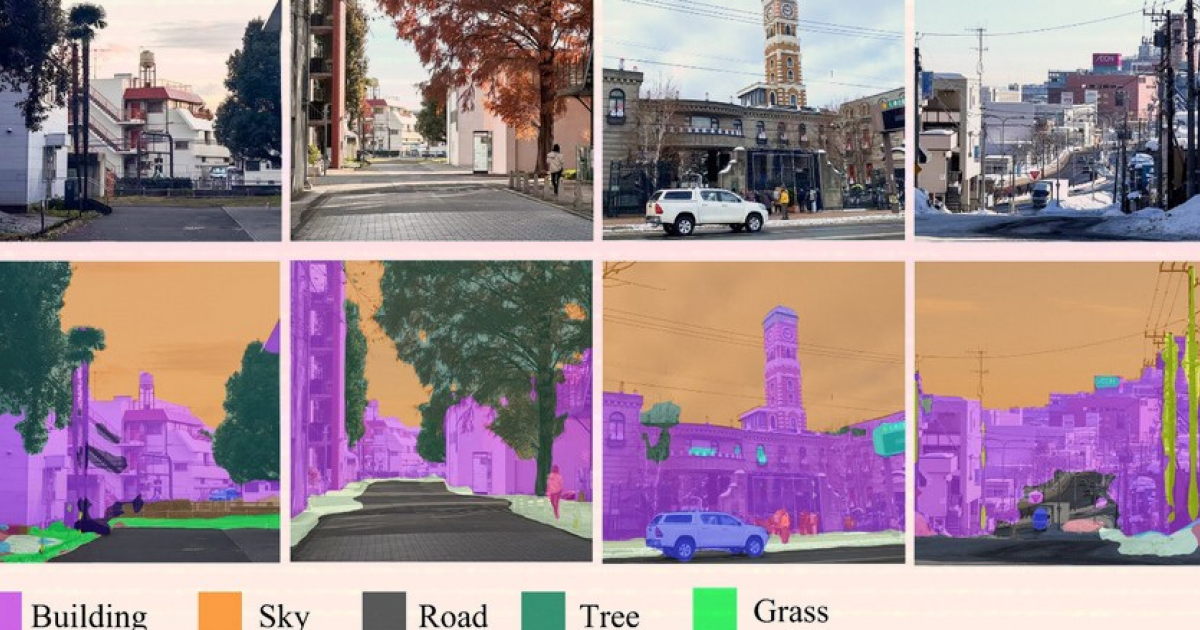
- The visual enclosure of streets extends the sleep of Tokyo residents
- More greenery means longer nighttime rest
- Good pedestrian accessibility is associated with reduced sleep
- The study was published in the journal Building and Environment
In recent years, there has been increasing attention to the impact of the urban environment on human health, particularly on the quality of nighttime rest. There are numerous studies linking noise levels, air pollution, and access to parks with the duration and depth of sleep. A new study published in the journal Building and Environment, expands this picture by showing the role of visual perception of streets.
How the study was conducted
A team of Japanese and Chinese researchers analyzed a large set of street photographs in Greater Tokyo. For each area, they assessed the degree of visual enclosure - the presence of walls, fences, and rows of trees that create a sense of 'closed' space. At the same time, data was collected on the average sleep duration of residents living on the lower floors of apartment buildings, allowing for a comparison of the visual characteristics of the streets with actual sleep metrics.
Measurement Methodology
Visual enclosure and the amount of greenery were assessed using computer image analysis, while the indicator of 'walkability of roads' was calculated based on standard pedestrian accessibility indices, taking into account sidewalk width, the presence of intersections, and road network density. Information on sleep duration was obtained from surveys and wearable devices registered with study participants.
The data showed a clear connection between the visual characteristics of streets and sleep duration. Participants living in areas with a high degree of visual enclosure and abundant greenery slept on average 30–45 minutes longer than their peers in less enclosed spaces.
On the contrary, in those same areas where the road network was more adapted to pedestrian traffic, there was a slight but statistically significant decrease in sleep duration — about 15–20 minutes. Scientists attribute this to increased activity and possibly a higher level of arousal, which is characteristic of well-trafficked streets.
The authors of the study note that visual enclosure can create a sense of security and reduce stress, while green areas help lower noise levels and improve the microclimate, which collectively has a positive effect on nighttime rest. At the same time, high pedestrian suitability, although beneficial for physical activity, may be accompanied by a more intense flow of people and vehicles, which potentially worsens sleep conditions.
These findings are consistent with previous work indicating the positive impact of urban parks and gardens on sleep quality. However, the new study emphasizes that not only the presence of greenery but also the visual 'enclosure' of space plays an important role.
For urban planners and municipal authorities, the results may prompt a reconsideration of approaches to street planning: integrating elements of visual limitation, such as living hedges, small fences, or architectural solutions that can create cozier microenvironments without sacrificing the overall accessibility of urban infrastructure.
Source: N+1