Ukraine’s handball team began its Euro 2028 qualifying campaign with two heavy defeats
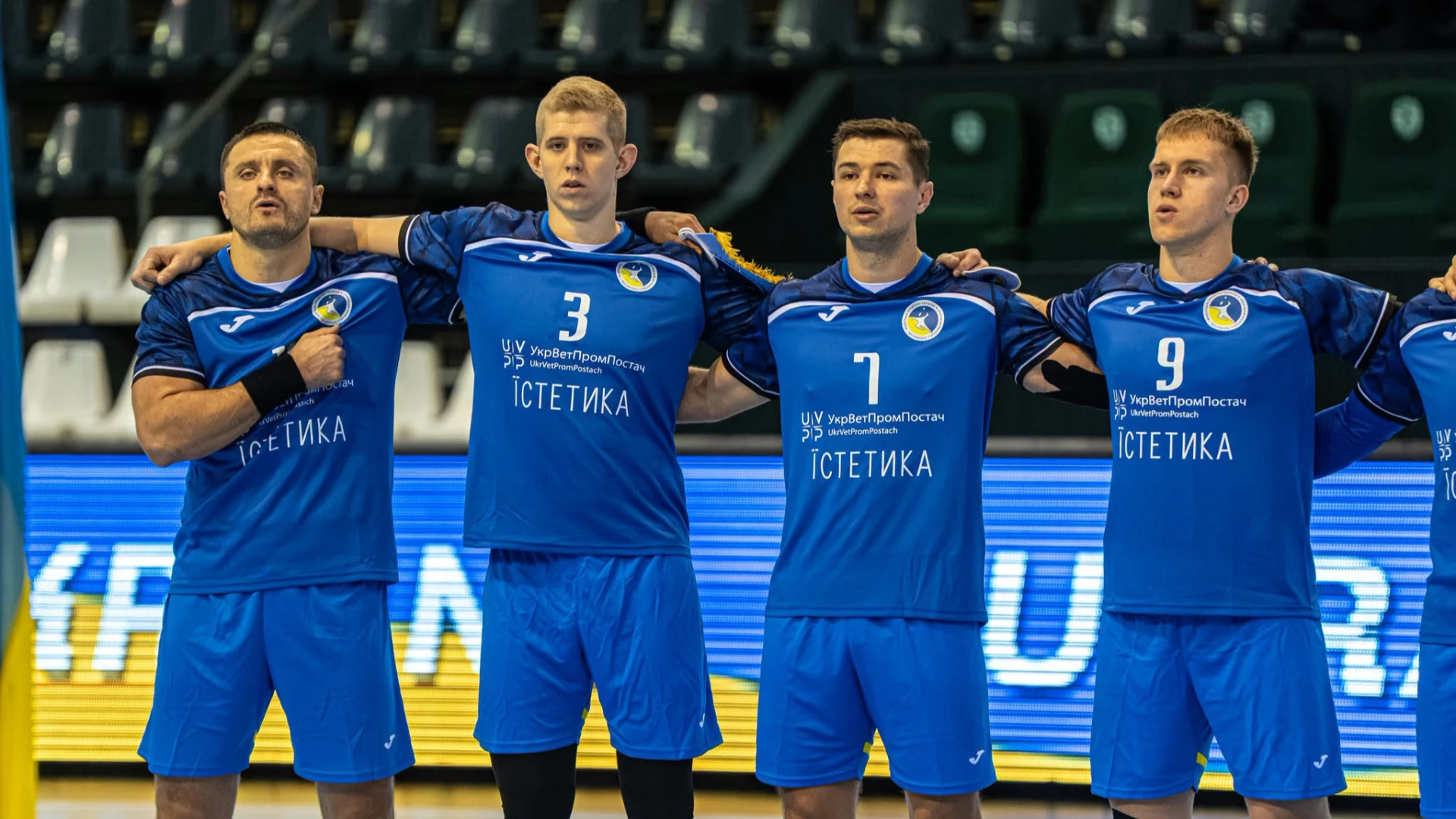
- Ukraine lost 26–48 to Iceland and 30–41 to Serbia, falling 33 goals short overall
- Their chances of qualifying via the third-place ranking depend on results and goal difference, with matches against Estonia coming up in March
- Igor Turchenko scored 16 goals across the two matches and moved up to eighth place on the all-time scoring list
Two defeats and a complicated qualification equation
Ukraine’s men’s handball team played its first two matches in qualifying for the 2028 European Championship and lost both by a wide margin. The team went down 26–48 away to Iceland, then lost 30–41 to Serbia at a nominal home venue in Prešov, Slovakia. The margin in the first match was the biggest defeat in the national team’s history, and the combined scoreline across the two matches was a 33-goal deficit.
Ukraine’s path to the final tournament is not yet closed: the expanded field for Euro 2028 leaves open the possibility of qualifying through a competition among the teams that finish third in their groups. However, the author of the original article considers it unrealistic to expect Ukraine to finish in one of the top two places that guarantee direct qualification. Points from matches against Iceland and Serbia will matter for the alternative route, as will avoiding an excessively poor goal difference.
After two rounds, the situation in this part of the qualifying campaign looks especially difficult: Ukraine’s goal difference is minus 33. The article emphasizes that two head-to-head matches against Estonia will take place in March, and that if Ukraine are not above their opponents after those games, the race for the best third-place ranking will effectively be over. This is an assessment of the current situation, not the final outcome of the qualifying campaign: March’s matches are still to come and could affect the standings.
Squad absences and questions for the management
The defeat to Iceland marked the national team’s third negative record of the year, the article notes. In January, at the 2026 European Championship, Ukraine lost to Norway by 17 goals and to France by 20. Now the deficit against Iceland has reached 22 goals. This sequence of defeats in a major tournament and in qualifying raises questions about the team’s condition, although by itself it does not explain the reasons for the poor results.
A separate criticism in the article concerns the lack of changes in leadership after poor performances. Head coach Vadim Brazhnik and the Handball Federation of Ukraine, in the author’s view, continue to work without being held visibly accountable for the results. The article also says that Ukraine’s March qualifying tournament for the World Championship ended at an early stage, but notes no personnel consequences. This is the author’s critical opinion, not a statement of the federation’s official position.
The squad for these matches did not include several players the article describes as key figures: Andrii Akimenko, Oleksandr Tilte, Taras Minotskyi, and Ivan Burzak. In addition, first-choice goalkeeper Anton Terekhov has ended his appearances for the national team, and Dmytro Tiutiunnyk has also stopped playing for the national side. The article links these departures to a broader crisis in relations surrounding the national team, but does not provide direct explanations from the players themselves for their decisions.
Squad composition, selection, and transparency of decisions
The article also reports that Dmytro Horyha joined the North Macedonia national team after his sports suspension ended. The author calls this a serious loss for Ukrainian handball: Horyha is described as the country’s most expensive player and a versatile player who could cover two positions. These assessments are the publication’s; the text provides no details about the transfer or its terms. Against this backdrop, it is particularly notable that the Ukrainian team’s squad for the qualifying matches was weakened by the absence of several experienced players.
The author also raises other questions about personnel policy. In particular, they point out that Vitaliy Horovyi, named the previous year’s most valuable player in a poll by the Champion website, and promising wing Maksym Radchenko have not been called up from the country’s champion, Motor. The publication also criticizes the inclusion in squads of players it considers unready for international-level competition. However, the source material provides no detailed explanations from the coaching staff regarding specific call-ups.
The author also draws attention to the limited opportunity for public discussion of decisions: according to him, independent interviews with the head coach are no longer available, and communications are handled by the federation’s press secretary. Another question raised is why only one playmaker was called up for two matches: Dmitry Redkin reportedly could not travel because of paperwork, but Pavel Savitsky was not invited either. These details do not fully explain the reasons behind the squad selection, but they show which questions remain unanswered.
Personal achievements and March matches
Another criticism concerns the role of Kyiv’s Spartak, which the article describes as a feeder club for the national team despite not taking part in European competitions. The publication claims that the team regularly sends players to the national team, and that three of its players recorded no goal contributions across two matches. The author links this to doubts about the quality of their preparation, but statistics from two matches alone cannot assess the training process or the players’ contributions beyond goals and assists.
Against the backdrop of the criticism, individual achievements also emerged in the matches. Igor Turchenko scored 16 goals across the two games and, with 160 goals overall, moved up to eighth place on the national team’s all-time scoring list. Dmitry Artemenko scored 12 times—eight goals in one match and four in the other—with an 82% conversion rate, according to the article; he now has 95 goals and ranks 18th. Ilya Bliznyuk brought his career total to 50 goals.
Rostislav Polishchuk, Denis Savarin and Yaroslav Medyanik made their debuts during the match window. The first two scored their first goals for the national team, while Nikita Zabolotny also scored for the first time for his country. Anton Derevyankin returned to the squad after an absence of seven and a half years, while captain Zakhar Denisov, with 46 appearances, moved into the top ten outfield players by number of caps. The next official window is in March, when Ukraine will face Estonia in matches that are important both for the tournament standings and for assessing the changes in the team’s play.
Source: Champion.com.ua