Ronaldo announces retirement from Portugal national team
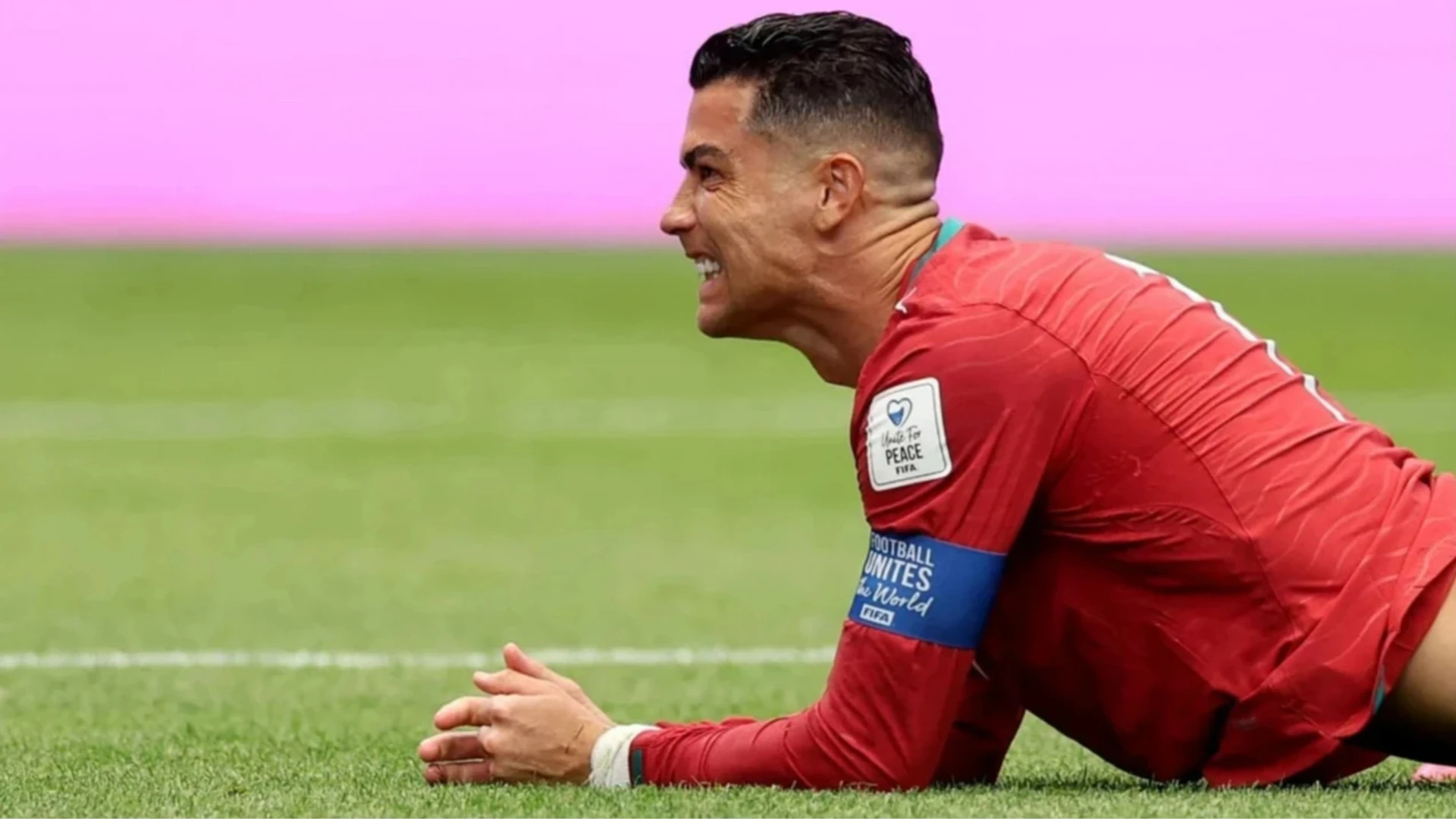
- Ronaldo announced on November 5 that he was ending his career with the Portugal national team
- He said his journey with the national team began in August 2003 and lasted 23 years
- The post reports a conflict with Jorge Jesus, but does not claim that it caused the decision
Farewell to the national team
Cristiano Ronaldo announced that he is ending his career with the Portugal national team. He shared his decision in a statement posted on Instagram and admitted that saying goodbye to the national team had not been easy. The forward described the step as more than just the result of reflection: in his words, decisions like this also have an emotional side. He was referring specifically to his career with the national team; he did not discuss any other sporting plans in the post.
Ronaldo traced the start of his journey with the national team to August 2003 and said it had lasted 23 years. During that time, he said, he had the honor and responsibility of wearing the national-team shirt and captain’s armband. He also stressed that he had never considered them his alone: the shirt, like the right to represent the country, belongs to all Portuguese people. Now, the footballer said, it is time to pass it on to the next generation.
In the closing section of the post, his departure is presented as the end of a long chapter in his personal life, not simply a change in sporting status. Ronaldo wrote that the national team had changed his life and noted that over the years, both in the stands and beyond them, he had seen not only fans but also people for whom the matches were a way to feel connected to Portugal. He did not name a specific successor as captain or give a date for handing over the armband, so future personnel decisions remain unknown.
From August 2003 to the decision to leave
Explaining what the team had meant to him, the footballer put statistics and results in the background. Looking back, he listed matches, goals, records and trophies, but said that people were the most important part of his experience. In particular, he recalled Portuguese emigrants who could feel closer to their homeland during a match, and compatriots he had never met in person but considered part of his life. In this way, he described the national team as a bond between the player and society.
Ronaldo said he tried to push beyond his own limits and set himself ambitious goals: to win, improve and make history. He noted that he constantly demanded more of himself and believed in the team’s ability to reach new heights. This is his own description of his motivation, not an assessment of a specific season or tournament: the statement does not mention the results of individual competitions or set new statistical benchmarks.
His memories of the national team include both victories he considers unforgettable and defeats that still hurt him to think about. The footballer acknowledged his own mistakes and the times when he was unable to give the Portuguese people what they expected. At the same time, he emphasized that he never gave up and continued to feel proud of the chance to represent his country. This combination of acknowledging setbacks and taking pride in the team became one of the central themes of his farewell address.
Personal memories matter more than records
Ronaldo also reflected on what remains after sporting achievements. In his view, goals are eventually forgotten, trophies end up in museums, and records can sooner or later be broken. What lasts longer, he believes, is a place in people’s hearts. He linked the meaning of his career not only to his list of awards, but to whether his goals had ever brought joy to a fan, helped them forget their problems, or made them feel proud of their country.
The footballer described national emotions as a shared experience: the Portuguese suffer together after defeats, get back up after setbacks, and start believing again. In this context, he spoke of the importance of future generations of young dreamers and players who do not give up. Ronaldo expressed his belief that the country needs new heroes and people willing to believe in achieving goals that once seemed out of reach. He did not name any specific young footballers or candidates for a place in the squad.
The passing of the baton to the next generation in the statement sounds like a symbolic gesture marking his departure, rather than an announcement of a specific change in the squad. Ronaldo did not say who would become the new captain or when the team would hold a ceremony or play his final match. For now, the practical takeaway from the statement is limited to confirmation that his journey with the national team is ending. The message did not reveal details about a possible handover of leadership duties.
Passing the Baton to the Young and Open Questions
In a separate message to his teammates, Ronaldo thanked them for the sprints, hugs, arguments and quiet moments they shared before taking the field. He also recalled their victories and defeats, which, he said, made the team stronger. The footballer called it an honor to be captain, but added that a captain does not make the journey alone. Every teammate, he stressed, became part of his story with the national team.
Ronaldo also thanked the coaches, officials, doctors, physiotherapists, administrators, and other members of the national team staff. He noted that many of them never appeared in photographs, even though those pictures would not exist without their work. He thanked his family for supporting his dream and understanding the times he was away, as well as for the sacrifices they made when the national team sometimes took an important place in his life. This acknowledgment is for the people who made his long journey with the team possible.
The post says that Ronaldo announced his departure on November 5; he is 41, and the decision came amid a conflict with head coach Jorge Jesus. However, the text does not confirm that the conflict was the reason for his departure, so the two events cannot be directly linked. There is also a discrepancy in the dates: the statement refers to 23 years and a start in August 2003, while the post’s closing reminder claims that the footballer had represented the national team since 2023. The source does not explain the discrepancy.
Source: Champion.com.ua