Ginger as a means to lower cholesterol: opinions of dietitians
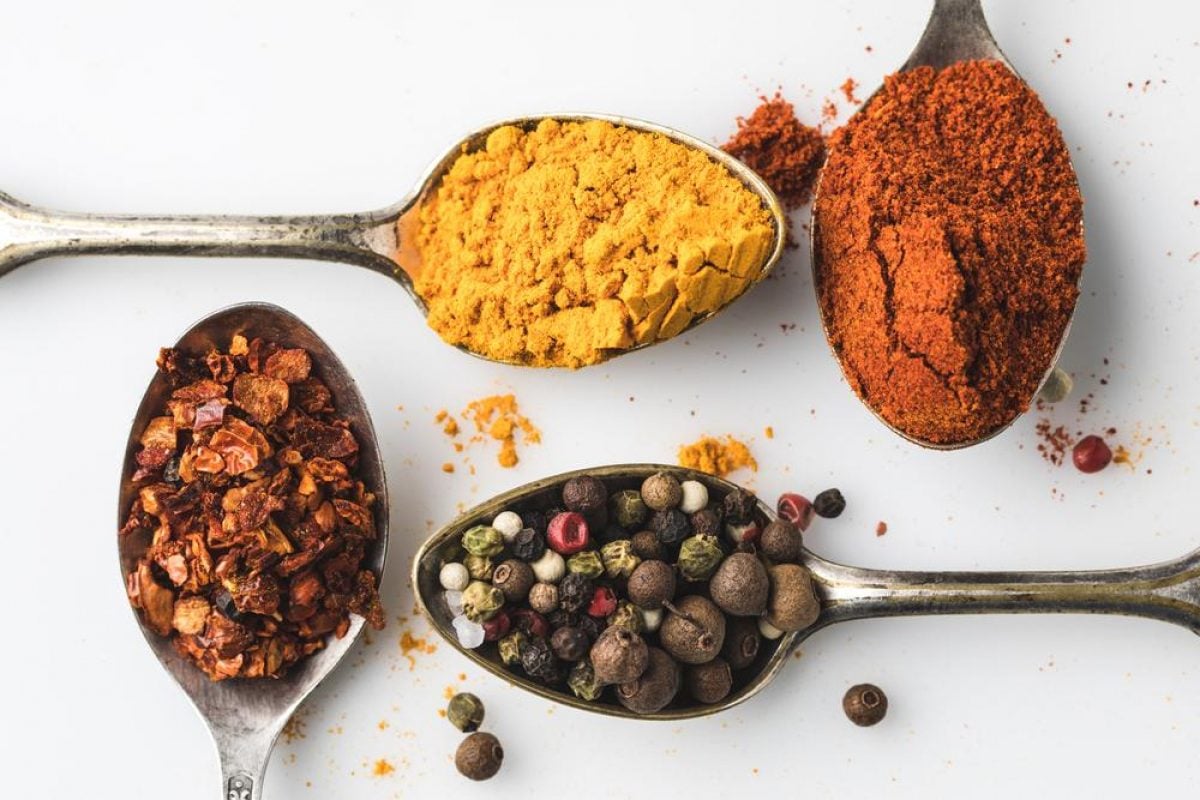
- Ginger lowers cholesterol levels
- Effectiveness confirmed by studies
- Recommended to combine with lemon
Ginger as a means to lower cholesterol
Ginger has become a topic of discussion among dietitians as one of the best spices for lowering cholesterol levels. Scientific studies confirm its effectiveness, making it an important element in the diet of people with elevated cholesterol levels. In particular, a 2026 review published in the journal Diabetology & Metabolic Syndrome showed that consuming ginger can lower total cholesterol and LDL cholesterol, known as "bad" cholesterol.
In another study published in the journal Current Pharmaceutical Design, it was found that ginger reduces LDL cholesterol levels by about 5 mg/dL and total cholesterol by 7 mg/dL. These results confirm that ginger may be beneficial for people looking to manage their blood cholesterol levels. Experts attribute this effect to the unique plant compounds found in ginger, such as gingerols and shogaols, which have antioxidant properties.
Registered dietitian Avery Zenker notes that ginger also has anti-inflammatory effects, which may be helpful in lowering cholesterol levels. Chronic inflammation can disrupt the processes of fat metabolism in the body, leading to increased cholesterol levels. Ginger helps reduce levels of inflammatory biomarkers, which in turn may contribute to improved overall health.
Scientific research and the effectiveness of ginger
Dietitians recommend consuming ginger in amounts of 1.5–2 grams per day, which is approximately one teaspoon of ground ginger. This amount may help achieve maximum effect in lowering cholesterol levels. Additionally, combining ginger with lemon may enhance its positive impact on cholesterol levels, as shown by studies on animals.
Dietitian Jennifer Pallian emphasizes that ginger can help reduce the use of other ingredients that contribute to increased cholesterol levels. For example, it can replace some salt and added sugar, as well as make vegetables more appetizing, which reduces the need to add foods high in saturated fats, such as butter.
It is important to note that ginger should be considered as a supplementary aid within a healthy diet, rather than a panacea for problems caused by unhealthy habits. Dietitians also recommend increasing the intake of soluble fiber from foods such as oats, beans, lentils, and fruits, as well as regularly consuming nuts and seeds that contain unsaturated fats.
Dietitian recommendations for ginger consumption
Sisi McGain, another registered dietitian, adds that replacing some saturated fats with unsaturated ones and favoring minimally processed plant foods also play an important role in maintaining heart health. These recommendations help create a balanced diet that will contribute to lowering cholesterol levels and improving overall health.
It has been previously reported that black cumin seeds may also lower levels of "bad" cholesterol. In one study, participants took one tablespoon of black cumin seed powder daily for eight weeks, resulting in a significant reduction in triglycerides and total cholesterol, as well as an increase in "good" cholesterol levels.
In the control group, which did not take any supplements, no such changes were observed. This highlights the importance of using natural remedies, such as ginger and black cumin, as a complement to a healthy lifestyle and diet.
Ginger in the context of healthy eating
Despite the positive results of studies, it is important to remember that individual reactions to ginger may vary. Therefore, it is recommended to consult with a doctor or dietitian before making changes to your diet, especially for people with chronic conditions or those taking medications.
In conclusion, ginger represents a promising remedy for lowering cholesterol levels, and its use can be beneficial as part of an overall approach to healthy eating. However, as with any other remedy, it is important to consider it as part of a comprehensive approach to improving health.
Thus, ginger can be a valuable addition to the diet, especially for those looking to control cholesterol levels. However, to achieve the best results, its consumption should be combined with other healthy habits and recommendations from dietitians.
Source: UNIAN