EFSA on daily water needs: what to consider at different ages
- EFSA counts total water from drinks and food, and its published guidelines are intended for healthy people in moderate temperatures and under normal activity levels.
- Babies under six months usually get the fluids they need from breast milk or correctly prepared formula; separate water is generally unnecessary.
- Dehydration and excessive drinking are dangerous: the former can impair circulation, while the latter can cause blood sodium levels to drop.
Why fluid needs aren’t just about glasses of water
The body needs water for more than just quenching thirst. It helps maintain a stable body temperature, transport nutrients and oxygen, and remove waste products. Fluids play a role in digestion, support joint function, and help maintain balance between cells. That’s why a prolonged lack of water affects several normal bodily functions at once, rather than causing only a dry mouth. What matters is the overall fluid balance: fluid intake needs to make up for what the body loses.
Fluid needs vary from person to person. Factors explicitly mentioned in the material include age, body size, physical activity, and ambient temperature. This means that a single number cannot automatically be considered an exact personal requirement for everyone. Needs are also affected by the conditions a person lives in: published reference values are based on moderate temperatures and ordinary levels of physical activity, not every possible circumstance or workload.
The European Food Safety Authority (EFSA) published a scientific opinion with reference values for daily water intake back in 2010. These are intended to show how much fluid people in different age groups may generally need under the specified conditions. They are not equivalent to an instruction to drink the same volume of plain water. Recognizing the important distinction between overall fluid needs and the amount of water consumed from a bottle helps prevent recommendations from being treated as universal drinking instructions.
What exactly does the EFSA guideline take into account
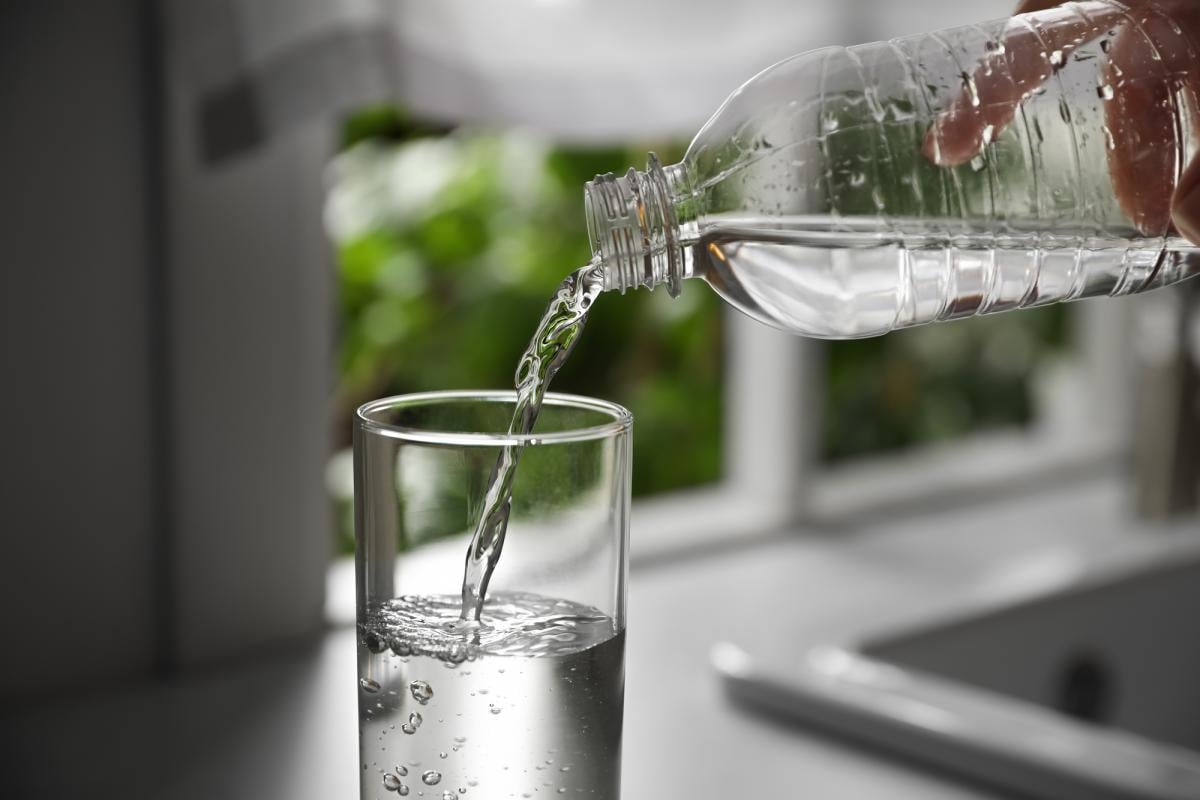
The EFSA calculation includes all water consumed: not only plain drinking water, but also other beverages and fluids from food. This means that some of a person’s daily intake can come from food, and they do not have to meet it with a single type of drink. The article does not provide detailed figures for all ages, so the available information is not enough to compile a complete table of recommended amounts for schoolchildren and adults. A specific figure is given separately for children under six months old.
For infants under six months, EFSA recommends 100–190 millilitres of fluid per kilogram of body weight per day. As an example, the article gives a child weighing five kilograms, for whom the calculated range is approximately 500–950 millilitres per day. This is an estimate of total fluid intake, not an additional amount of water that needs to be given separately. For healthy infants at this age, breast milk or correctly prepared formula remains the main source of fluids.
A healthy baby under six months who is feeding normally usually does not need extra water, even in hot weather. According to the article, breast milk adjusts its composition to meet an infant’s needs, and formula should be mixed with exactly the amount of water specified in the instructions. Do not change the mixing proportions yourself: the text emphasizes following the directions on the package rather than adding extra water.
A special approach for babies under six months
At around six months, when solid foods are introduced, you can start offering your child a little water with meals. Milk or formula remains an important source of fluids. This transition does not mean that solid foods immediately replace the child’s usual feeding or that they need to be given a large amount of water. The practical point of the recommendation is to offer water gradually while preserving the role of breast milk or formula in the infant’s diet.
Inadequate fluid intake leads to dehydration when the body loses more water than it takes in. The material lists thirst, dry mouth, headache, fatigue, and dizziness among the early symptoms. Urine output may also decrease, and its color may become darker. These signs are described as possible indicators of a lack of fluids, but the material does not suggest diagnosing dehydration based on any one symptom alone. It is more important to consider the overall context and how the person’s condition changes.
With severe dehydration, the consequences can become more serious: circulation is disrupted, blood pressure may drop, and the kidneys may be at risk. It is especially important to monitor fluid balance in infants and older adults. A young child cannot yet say when they are thirsty, while the sense of thirst may weaken over time in older adults. So, the absence of an explicit request for water does not always indicate what these groups need.
Signs of fluid deficiency and excess
There is also a risk from drinking too much: if you consume a very large amount of fluid in a short time, your kidneys may not be able to remove the excess quickly enough. The blood then becomes excessively diluted, and sodium levels fall to a dangerously low level. This condition is called hyponatremia. Water can move into cells and cause them to swell; this is especially dangerous if brain cells are affected. The article also refers to this form of severe fluid imbalance as water intoxication.
Possible early signs of taking in too much water include nausea, vomiting, headache, and muscle weakness. In severe cases, confusion, seizures, and loss of consciousness may occur, and the condition can be life-threatening. The risk can be higher, for example, during prolonged exercise if someone drinks a lot of fluid quickly. The article also identifies certain kidney, heart, and liver conditions, as well as some medications, as factors that increase the danger.
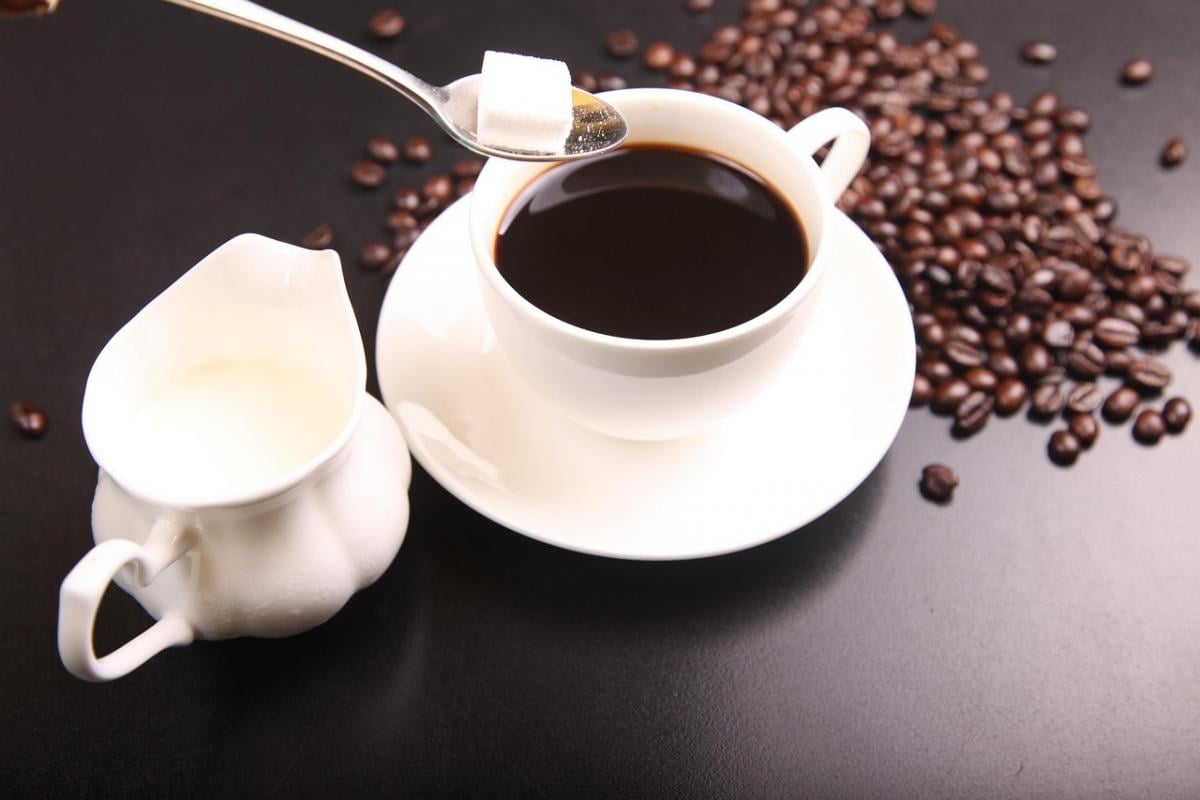
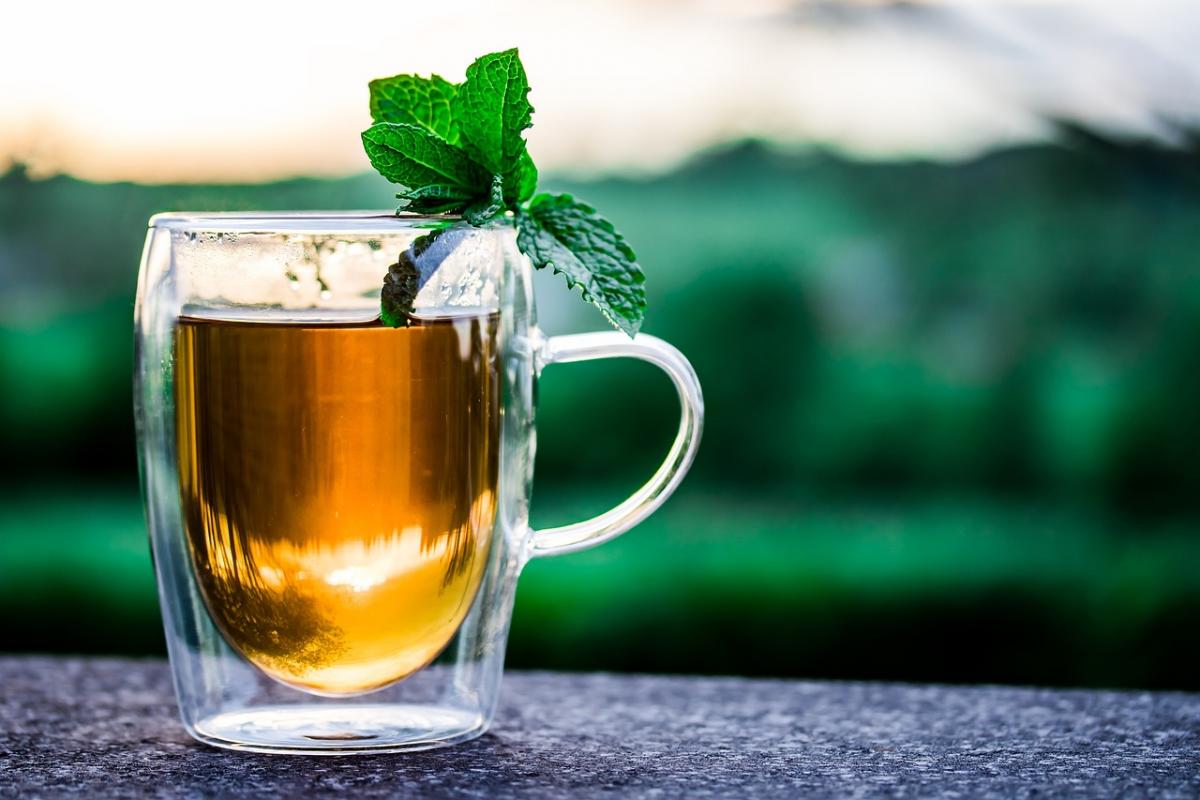
A variety of drinks and foods can contribute to your total fluid intake. Unsweetened fruit and herbal teas are suggested as alternatives for variety; black and green tea, as well as coffee, count too when consumed in moderation, though it’s worth keeping an eye on caffeine intake. Milk and unsweetened plant-based drinks, soups—especially vegetable soups—and water-rich foods such as cucumbers, tomatoes, watermelons, and oranges also provide fluids. These are general guidelines: your actual needs depend on your age, body size, activity level, and the temperature.
Source: UNIAN