NASA blocks the development of the largest tungsten deposit in the US in Nevada
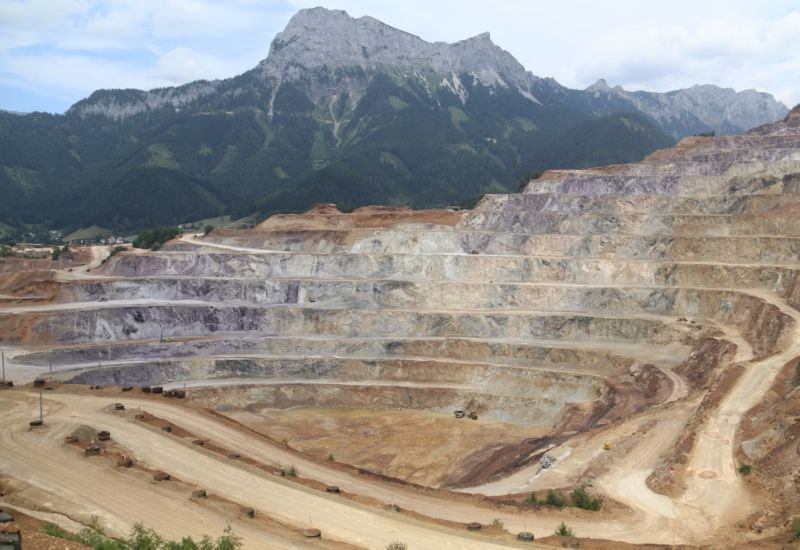
- 3PL found the largest tungsten deposit in the U.S. in Nevada (1.78 million tons).
- NASA is blocking mining, using part of the area for satellite communication.
- The U.S. imports 80% of tungsten from China; prices have increased nearly 6 times.
- Development could bring $152 billion, but it will take years.
3 Proton Lithium (3PL) announced the discovery of the largest known tungsten deposit in the eastern part of Nevada. It is estimated that the reserves amount to about 1.78 million tons, which is five times larger than the next largest American deposit.
Tungsten is a rare metal used in defense systems, electronics, and high-temperature alloys. After domestic mining ceased about ten years ago, the U.S. relies entirely on imports, primarily from China, which controls about 80% of global supplies. Since February of last year, tungsten prices have increased nearly sixfold, raising concerns about national security.
Conflict of interest with NASA
According to the Financial Times, about a third of the area where the deposit is located is already used by NASA for transmitting signals from satellites. The desert terrain provides unique conditions for calibrating ground antennas. Mining tungsten in this area, according to the agency, could create electromagnetic interference, disrupting space communications.
NASA imposed a 20-year mining ban in 2023. The ban was obtained after appeals to the Department of Defense and other agencies, emphasizing the strategic importance of the area for national defense.
3PL claims that the resumption of mining will reduce imports from China, decreasing economic vulnerability. According to their calculations, even taking into account the portion of the territory still used by NASA, the deposit could bring in about $152 billion at current prices.
In addition to tungsten, significant deposits of lithium, boron, and potassium salts have been found in the same area near the city of Ely, covering approximately 150 km². These resources are also classified as priority materials for the U.S., which allowed 3PL to obtain an expedited approval process last year.
In response to the tungsten shortage, the U.S. government has already invested $1.6 billion in the development of a deposit in Kazakhstan, where Chinese influence also dominates. However, experts note that even with the lifting of restrictions, the mining process will take years, and there will be no quick solutions to secure the market.
The situation highlights the dual task of the USA: to simultaneously support space programs and strive for independence from imported strategic materials. It remains unknown whether a compromise will be found between NASA and the mining industry in the near future.
Source: 3DNews