Gene therapy has shown a sustained effect in Wiskott-Aldrich syndrome
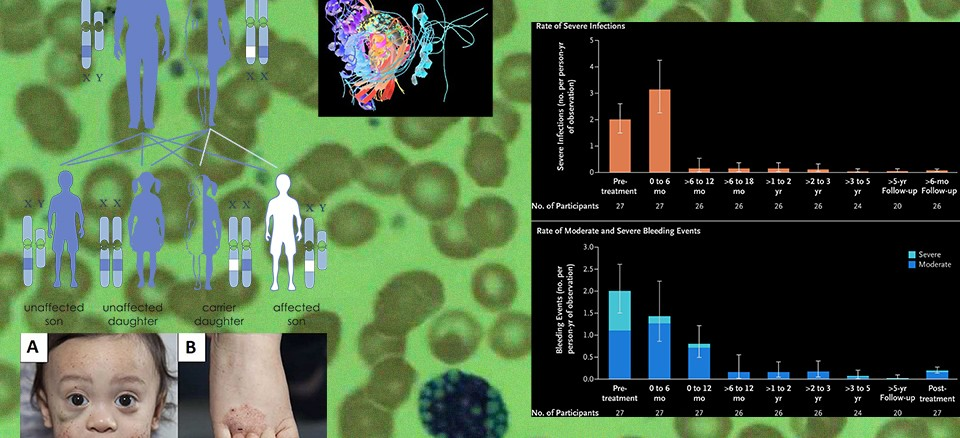
- The three phases of clinical trials have been successfully completed.
- Serious infections and bleeding have decreased
- After five years, all survived except for one patient
- The results are published in NEJM
In March 2024, the final results of three phases of clinical trials of gene therapy aimed at treating Wiskott-Aldrich syndrome (WAS) were published in The New England Journal of Medicine. The study brought together efforts from scientists in four countries and provided data on long-term follow-up of patients.
Wiskott-Aldrich syndrome is a rare hereditary disease characterized by immunodeficiency, thrombocytopenia, and an increased tendency to severe infections and bleeding. Traditional treatment methods, including bone marrow transplantation, are often associated with a high risk of complications and limited availability.
Gene therapy using a modified vector introduces a corrected copy of the WAS gene into the patient's cells, allowing for the restoration of normal immune system function. Previous stages of the study demonstrated the safety of the approach and the first signs of clinical efficacy.
Results of long-term observation
The final analysis included 23 patients who underwent three consecutive phases of trials. Over five years after a single administration of the vector, there was a significant reduction in the frequency of severe infections and bleeding. The survival rate was 95%: all participants, except for one, remained alive at the end of the five-year period.
The reduction in the number of serious complications indicates that genetic correction provides sustained restoration of platelet and immune cell function. These results represent an important breakthrough for rare immunodeficiency diseases, where alternative treatment options are limited.
Experts note that the data obtained confirm the potential of gene therapy as a long-term solution and emphasize the need for further research to expand indications and optimize protocols. New multicenter studies are planned, involving broader patient groups.
The publication in one of the most authoritative medical journals highlights the international nature of the project and its significance for the future of therapy for rare genetic diseases. The long-term effectiveness of gene therapy for WAS paves the way for safer and more accessible treatment methods.
Source: N+1