Enhanced brain response to heartbeat during rapid eye movement sleep
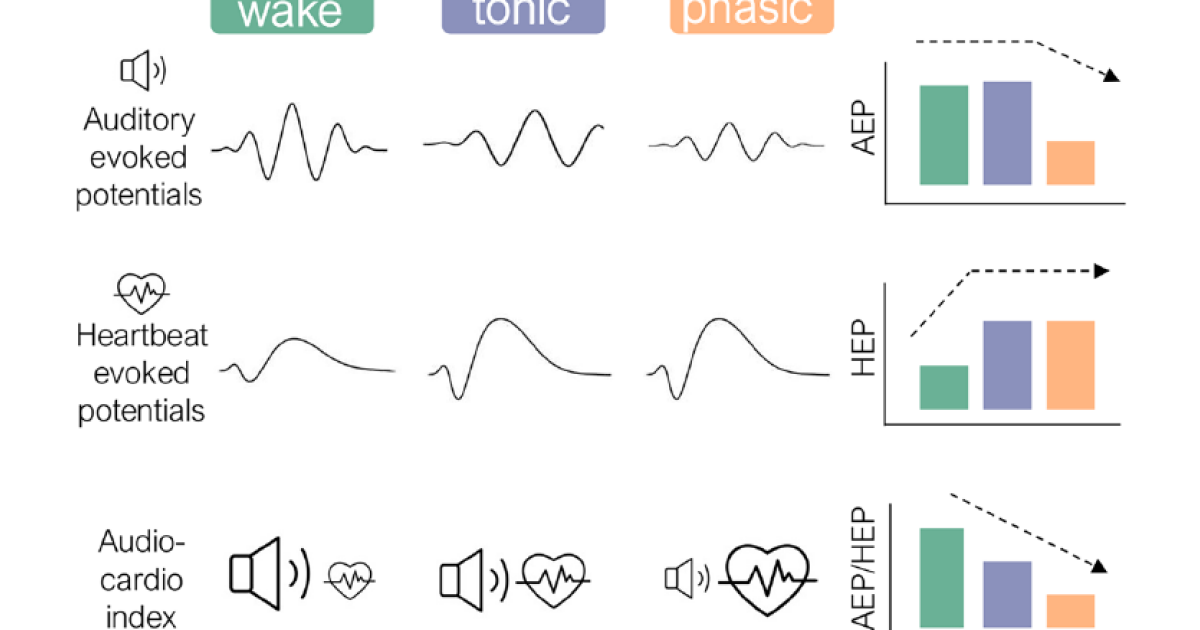
- During REM sleep, the brain enhances its response to its own pulse
- The response to external sounds in this phase gradually decreases
- An index has been created to assess consciousness suppression in comatose patients
- The results were published in the journal Current Biology
The phase of rapid eye movement sleep, known as REM, is traditionally associated with active brain activity and vivid dreams. However, the details of how the brain allocates attention between internal and external signals during this period have remained insufficiently studied.
Research by Swiss neurophysiologists
A group of scientists from Switzerland conducted a series of experiments in which they recorded the electrical activity of the brain in volunteers at different stages of sleep. Participants were simultaneously presented with weak sound tones and their own heart rate was measured to compare the response of neural networks to both types of stimuli.
The analysis showed that during the REM phase, neural responses to heart impulses significantly increased. This indicates heightened sensitivity of the central nervous system to internal physiological signals precisely at the moment when external sensory information gradually recedes into the background.
At the same time, the reaction to external auditory stimuli demonstrated a gradual decrease as one transitions from light sleep to REM. Thus, the brain shifts from orientation to the surrounding world to a more introspective mode, where one's own bodily signals dominate.
Based on the data obtained, researchers developed a special index that measures the degree of 'depression' of consciousness. The index is calculated from the ratio of neural reactions to heart rhythm and external sounds, allowing for an objective assessment of how much the brain is in a state of reduced external awareness.
The practical application of this indicator has already been demonstrated in a clinical setting: when assessing patients in a coma, the index helped distinguish levels of residual consciousness, which could become an important tool in decision-making about further treatment.
The publication of results in the journal Current Biology highlights the importance of integrating neurophysiological methods into the diagnosis of severe disorders of consciousness. It is expected that further development of this methodology will allow for more accurate monitoring of patients' conditions, as well as expand understanding of how the brain reallocates resources between internal and external signals in different states of sleep.
Source: N+1