A BioWare veteran explained why Baldur’s Gate 3 became a successful sequel.
- Mark Darrah: Larian preserved the spirit while adding new ideas.
- The long break since 2000 allowed for the mechanics to be modernized.
- The success of BG3 created new challenges for Hasbro and future sequels.
Mark Darrah, who programmed the first two parts of Baldur’s Gate in the early 2000s and later led the production of the Dragon Age series, was invited for an interview with FRVR. He shared his vision of why the third part, released in 2023, received such high ratings from both players and critics.
Developer Experience
Darragh reminded that his work on Baldur’s Gate 1 and 2 gave him a deep understanding of the mechanics and narrative of classic CRPGs. After transitioning to the role of executive producer for Dragon Age, he observed how audience expectations have changed and what new technologies have become available.
Comparison with other studios
In the conversation, he compared Larian Studios' approach to Obsidian Entertainment's project – Pillars of Eternity. According to him, the latter game successfully conveyed the atmosphere of the old Infinity Engine, but at the same time was limited by strictly copying the style of the 1990s. Larian, in the veteran's opinion, avoided this trap.
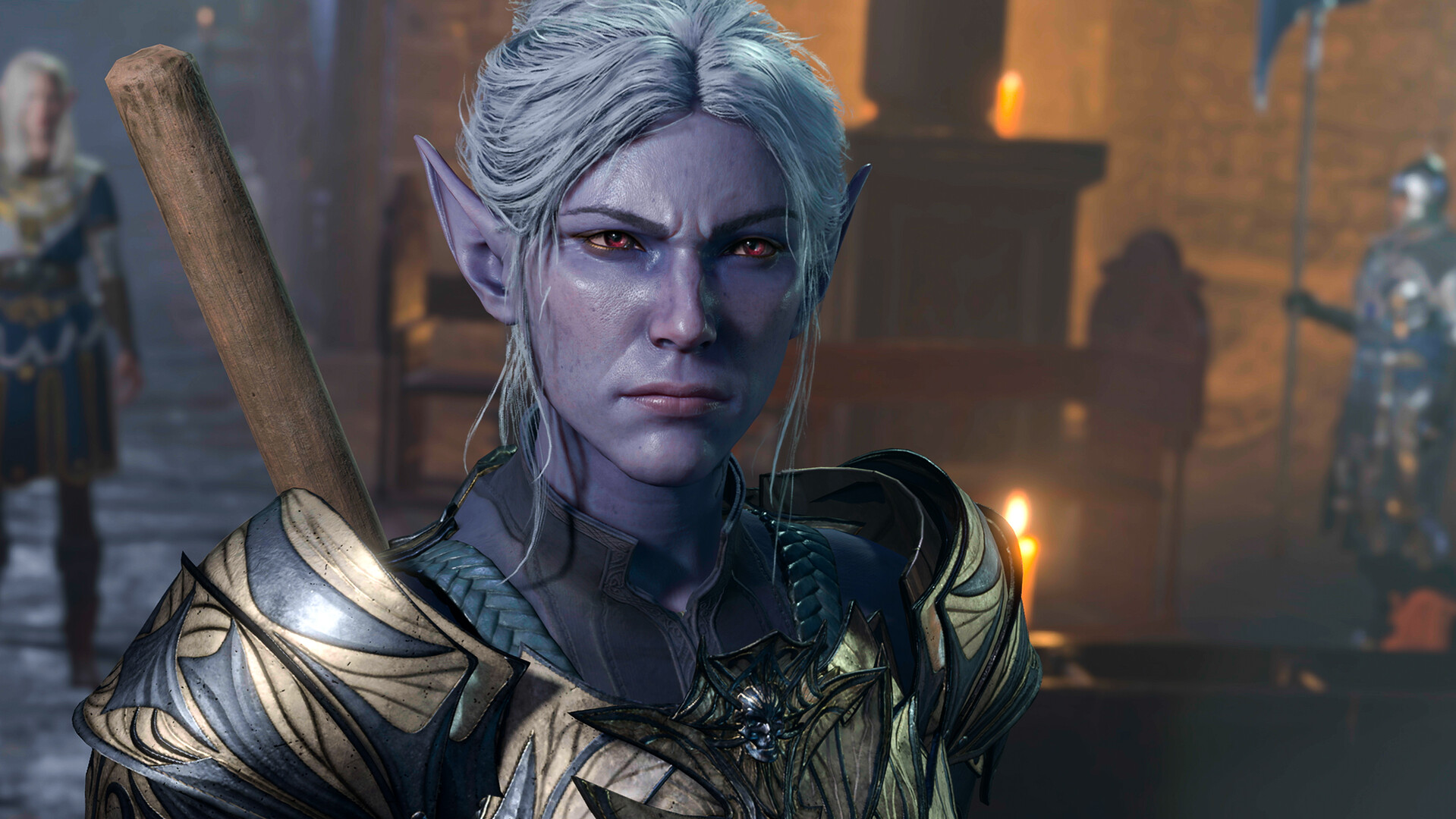
The studio, known for the Divinity series, used its own tools and game design, as well as took into account two decades of CRPG genre development. As a result, Baldur’s Gate 3 combines the familiar world of Forgotten Realms with new mechanics, a more flexible dialogue system, and improved graphics.
Why 'not to copy' but 'to develop'
A key factor, according to Darra, was the long gap between Baldur’s Gate 2 (2000) and the third installment. Attempting to literally transfer the mechanics of the 2000s to 2023 would lead to a feeling of an outdated product. Larian took the foundation of the originals but adapted it to modern requirements: support for multiplayer mode, dynamic scenes, and a more open world.
This strategy, according to the veteran, allowed the game to stay true to its roots while also appearing as a natural evolution of the series rather than an attempt to recreate the past.
Consequences for the franchise owner
The success of Baldur’s Gate 3 has created a new challenge for Hasbro, the current rights holder of the series. Darra noted that after such a strong product, it will be difficult for other developers to offer a full fourth installment without being overshadowed by Larian. According to him, the owning company was not even aware that it had a 'golden goose' and did not direct marketers to oversee the process.
In the future, according to the veteran, managers focused primarily on profit may approach the Baldur’s Gate 4 project, which could change the creative direction of the game.
Overall perception
Players and critics note that Baldur’s Gate 3 is one of the best modern RPGs, thanks to its rich storyline, high-quality voice acting, and well-thought-out combat scenes, often accompanied by original musical solutions. The game has also attracted a wide audience without overwhelming them with strict D&D tabletop rules, making it more accessible.
Source: StopGame