The FDA has approved the first gene therapy for children with mucopolysaccharidosis IIIA
- FDA has approved the gene therapy rebisufligen etisparvovec-hopf
- The therapy restores the SGSH enzyme in children with mucopolysaccharidosis IIIA
- The therapy may change the progression of a rare neurodegenerative disease
The American FDA has officially approved the world's first gene therapy aimed at correcting the genetic cause of mucopolysaccharidosis IIIA. The drug, named rebisufligen etesparvovec-hopf, will be available as a one-time intravenous infusion for children diagnosed with this condition.
What is mucopolysaccharidosis IIIA?
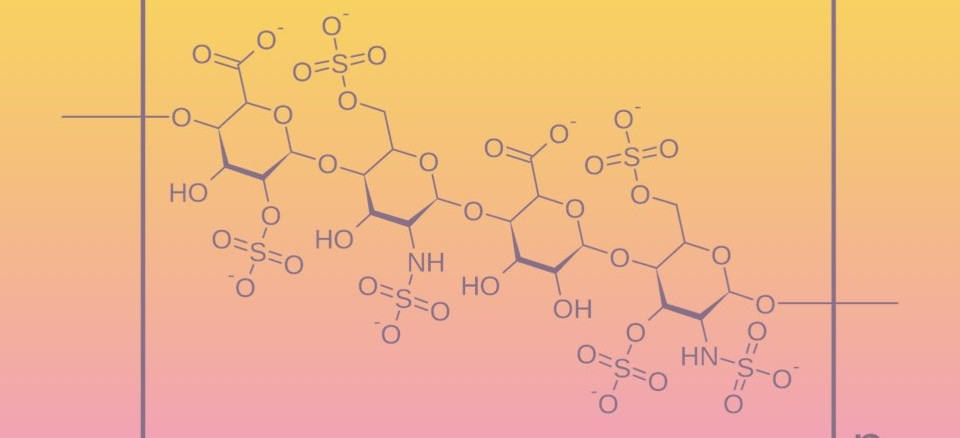
Mucopolysaccharidosis IIIA is a rare inherited lysosomal disorder caused by a deficiency of the enzyme sulfatase (SGSH). The absence or insufficient activity of the enzyme leads to the accumulation of heparan sulfate in lysosomes, which gradually destroys nerve cells. The clinical picture includes delays in psycholinguistic development, behavioral disorders, as well as severe motor disorders that often lead to disability.
How does the gene therapy work?
The therapy is based on an adeno-associated viral vector (AAV), into which a working copy of the SGSH gene has been inserted. After a single intravenous injection, the vector penetrates the body's cells and begins to synthesize the functional enzyme sulfatase. As a result, the level of heparan sulfate decreases, which slows down or stops the progression of neurodegenerative processes.
The approval followed a thorough analysis of clinical trial data, which assessed the safety of using the AAV vector and the effectiveness of restoring enzyme activity. The results showed an acceptable side effect profile and a significant improvement in biochemical markers in patients.
For families facing the diagnosis, this event opens new hope. Previously, treatment was limited to supportive therapy aimed at alleviating symptoms, without the possibility of changing the genetic basis of the disease. Now, targeted therapy is available that can alter the natural course of the disease.
The approval of the rebisufligene also indicates a growth in the number of genetic therapies receiving regulatory approval in the USA. In recent years, the FDA has approved several similar treatments for rare hereditary diseases, strengthening the infrastructure for the development and production of gene therapy.
Experts note that the successful implementation of such therapy requires not only regulatory approval but also an established system for drug delivery, patient monitoring, and access to expensive medications. Funding and insurance coverage issues remain relevant for many families.
Thus, the approval of the first gene therapy for mucopolysaccharidosis IIIA represents an important step in the treatment of rare neurodegenerative diseases, paving the way for broader application of genetic technologies in clinical practice.
Source: N+1