Atopic dermatitis increases the risk of shingles in adults
- The risk of shingles is increased in adults with atopic dermatitis
- The increased risk is not associated with immunosuppressants
- The study covered 2.45 million patients with dermatitis
- The observation exceeded 84 million person-years
Researchers from the London School of Hygiene and Tropical Medicine, led by Anna Schober, analyzed more than two and a half million patients diagnosed with atopic dermatitis (eczema) between 1997 and 2023. For comparison, nearly twelve million people without this condition were selected, taking into account gender, age, and physician practice.
The study was based on data from CPRD Aurum – the largest database of general practice records in the UK. In total, the observational period exceeded 84.34 million person-years, allowing for the assessment of long-term risks of developing comorbidities.
Cox proportional hazards models were used to assess the relationship. The results showed that patients with atopic dermatitis had a significantly higher likelihood of developing herpes zoster (shingles) compared to matched controls.
It is important to note that the increased risk was independent of the use of immunosuppressive medications. This suggests that the skin pathology itself, rather than the treatment, may enhance susceptibility to reactivation of the Varicella-zoster virus.
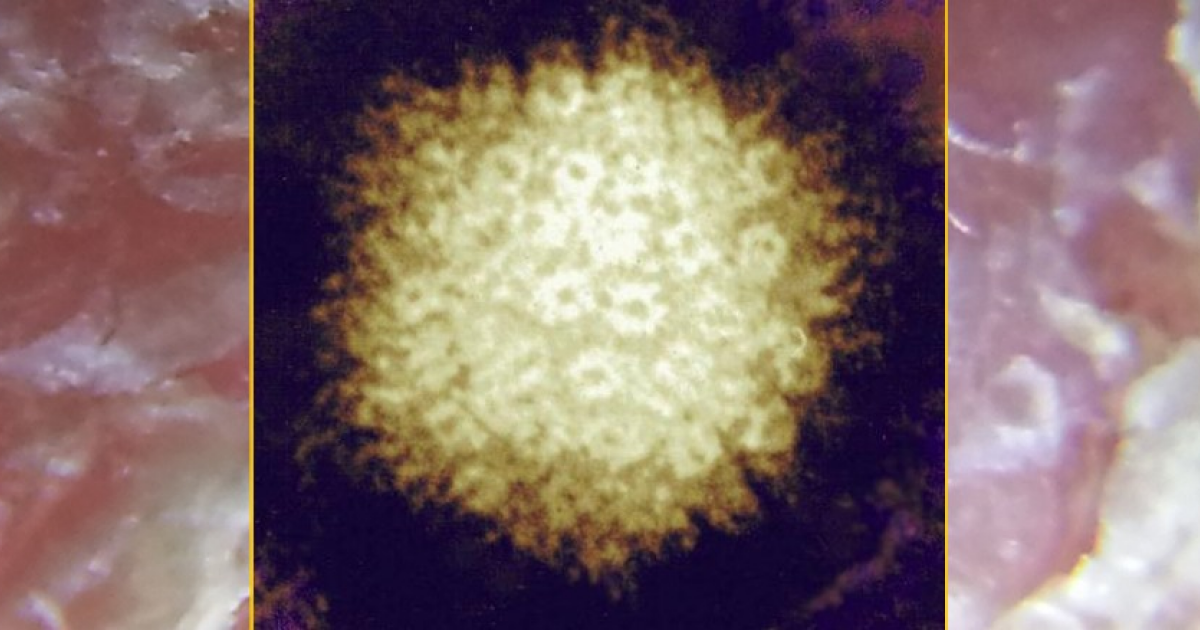
Herpes zoster is caused by the reactivation of the varicella-zoster virus, which remains in the nerve ganglia after the initial infection. It is believed that weakened immune control, chronic inflammation, and disruption of skin barrier functions may contribute to its recurrence.
Previously, similar associations between atopic dermatitis and infectious complications have been discussed; however, this study is one of the largest confirming a direct link without the influence of immunosuppressive therapy.
The results of the work are published in the Journal der Deutschen Dermatologischen Gesellschaft (JDDG) and may serve as a basis for more careful monitoring of patients with eczema, especially in age groups where the risk of shingles is already elevated.
In practical terms, this opens up the possibility of early warning: dermatologists and therapists can recommend vaccination against shingles for patients with atopic dermatitis, considering their increased vulnerability.
Source: N+1