Fecal transplantation has shown effectiveness in food allergy to peanuts
- Pilot trials of FMT in patients with peanut allergy
- Some participants experienced a reduction in allergic reactions
- Changes in T-lymphocytes and an increase in bile acids are associated with improvement
- An experiment on mice confirmed the transferable effect of microbiota
Food allergies, particularly reactions to peanuts, remain one of the most serious problems in modern medicine. It is estimated that 1 to 2% of the world's population suffers from such an allergy, and its treatment is limited to a strict diet and emergency therapy in case of anaphylaxis.
In recent years, there has been growing interest in gut microbiota as a potential regulator of immune responses. Fecal microbiota transplantation (FMT) has already proven effective in severe Clostridioides difficile infections and is being considered as an experimental approach for a number of autoimmune diseases.
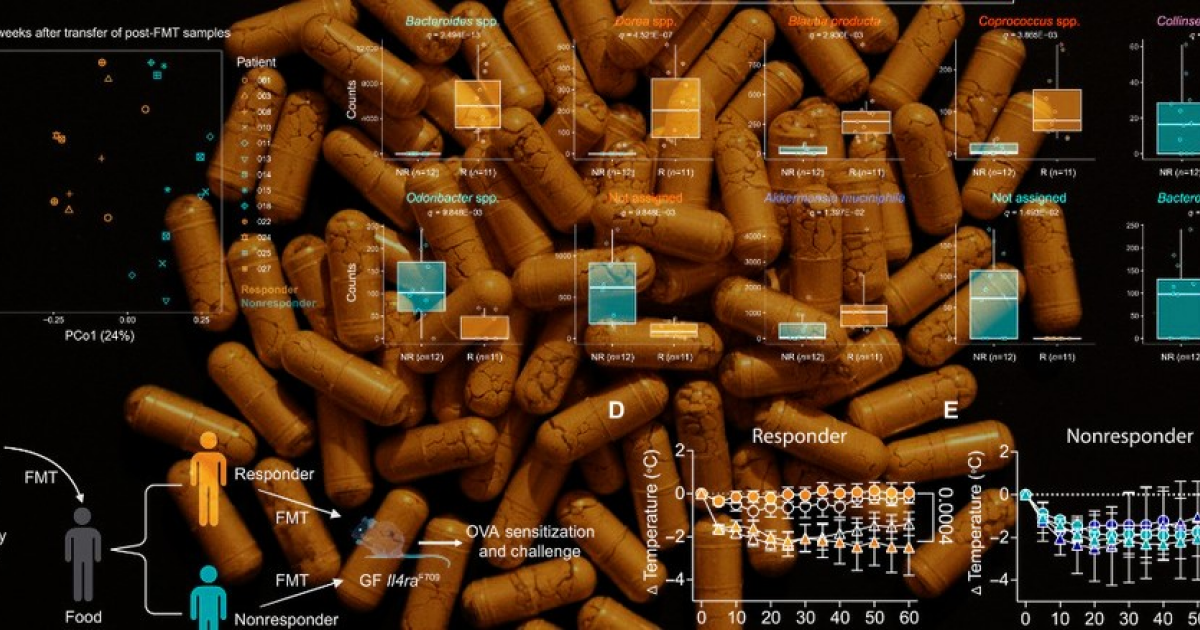
American researchers conducted a small pilot study involving patients with confirmed peanut allergies. Each of them was administered a fecal preparation obtained from donors with low levels of allergic sensitivity. After the treatment course, some patients showed a reduction in clinical symptoms during a controlled provocation test.
The improvement was accompanied by a noticeable change in the composition of T-lymphocytes in the blood: there was an increase in regulatory subpopulations and a decrease in activated effector cells. Additionally, in the responding patients, an increase in the concentration of bile acid metabolites, known for their immunomodulatory effects, was recorded.
To confirm the causal relationship, the researchers conducted a parallel experiment on laboratory mice. Animals that received fecal material from patients who showed a clinical response also exhibited similar changes in immune cells and metabolic markers, which strengthens the hypothesis of the protective effect being transmitted through the microbiota.
The results of the study were published in the journal Science Translational Medicine. The authors emphasize that the obtained data are preliminary and require confirmation in larger randomized trials; however, they open the prospect of using fecal transplantation as part of a comprehensive therapy for food allergies.
Source: N+1