Invasive black rats limit the spread of local rodents in Madagascar's recovering forests
- Black rats reduce the presence of local rodents in new forests.
- Tenrecs almost disappear where there are many rats.
- Brown mouse lemurs remain, but weigh less.
- Competition for food and disease transmission are the main reasons.
Madagascar, one of the most biologically unique islands on the planet, is facing serious ecological challenges. Many years of intensive logging have led to the loss of a significant portion of primary forests, and now the country is actively restoring degraded areas. However, the regeneration process is complicated by the emergence of alien species that can quickly take over new niches.
As part of an international project, zoologists conducted a comparative analysis of small mammal communities in two types of forests: old-growth, where the ecosystem maintains its natural balance, and recovering, where active processes of vegetation restoration are taking place. Special attention was paid to the population of black rats (Black rat) – one of the most widespread invasive rodents introduced to the island by humans.
Methodology and main results
Scientists recorded the number of rats in each studied area and compared it with the presence of local species – small rodents and tenrecs (mammals of the family Tenrecidae). It turned out that in places where the proportion of black rats was higher, the likelihood of finding indigenous rodents sharply decreased. A similar trend was observed for tenrecs, which virtually disappeared from areas with high rat density.
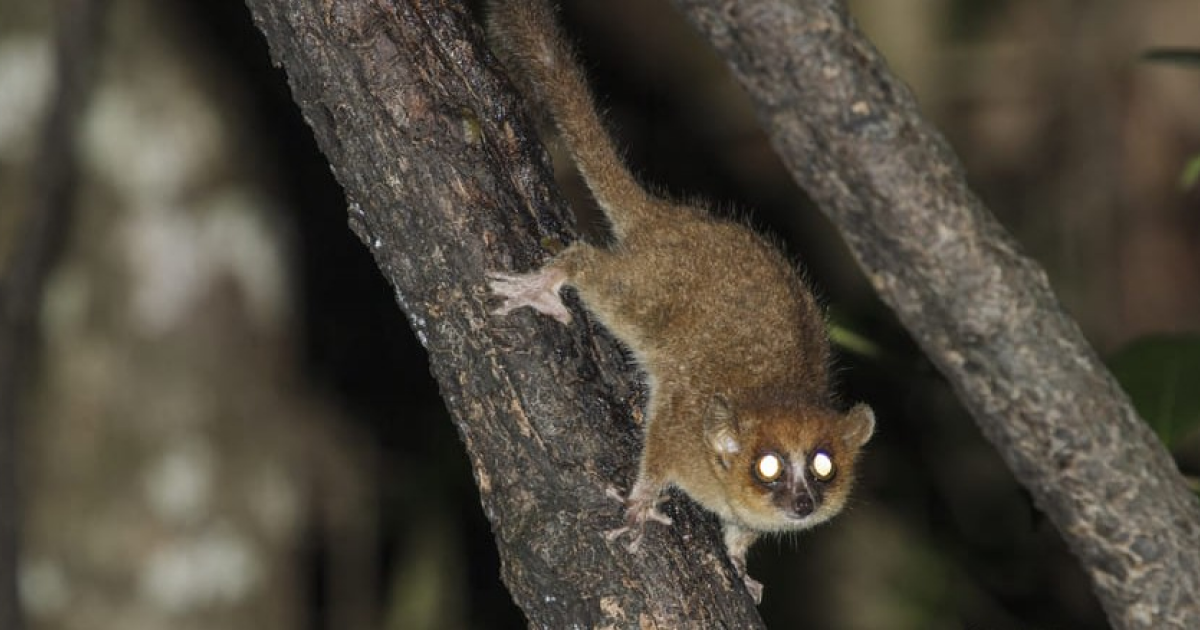
An exception to this pattern was the brown mouse lemurs (Microcebus rufus). Their presence did not depend on the number of rats; however, in areas with intense rat invasions, the mass of lemur individuals was noticeably lower, which may indicate a hidden stress effect.
The authors of the study link the obtained data to several mechanisms. Firstly, black rats compete with local rodents for food resources – seeds, fruits, and insects. Secondly, rats can carry pathogens that are dangerous to endemic fauna, thereby increasing the level of diseases among vulnerable populations.
These findings confirm the concerns of ecologists that invasive rodents may become the main obstacle to the restoration of biodiversity in post-deforestation landscapes. At the same time, the lack of direct impact on mouse lemurs, but a decrease in their mass, indicates more subtle, yet equally important consequences – possible changes in food chains and energy balance.
For effective forest restoration, it is necessary to consider the role of alien species. Programs for controlling the population of black rats, including traps and biological methods, can increase the chances of local rodents and tenrecs for successful colonization of new areas. In addition, monitoring the health of endemic species will help identify early signs of diseases related to carriers.
Overall, the study emphasizes that ecosystem restoration is not just about planting trees, but also about comprehensive management of the biological community, where every species, including invasive ones, plays a crucial role.
Source: N+1