Takashi Yamazaki explained how cats inspired the climactic battle in “Godzilla: Minus Zero”
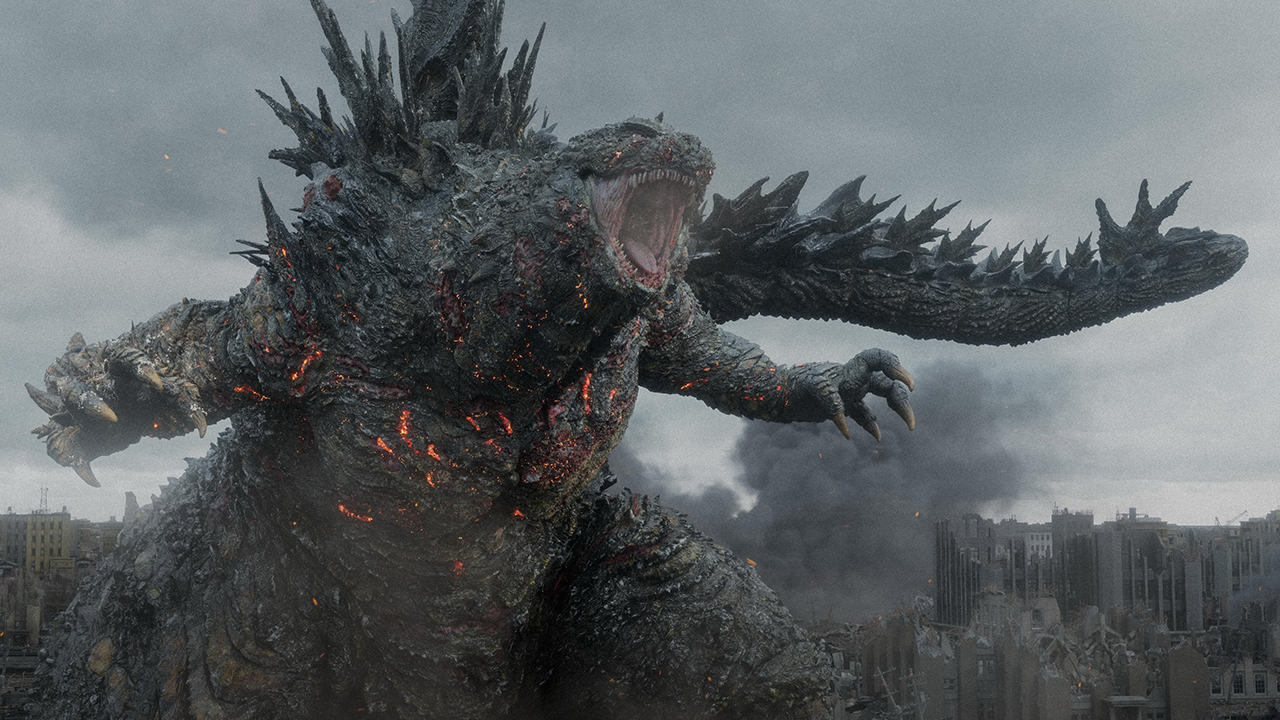
- Yamazaki said that watching his two cats gave him a real-life point of reference for depicting creatures fighting.
- The screenwriter envisioned the fight between Godzilla and King Ghidorah as a battle to the death, in which the opponents gradually injure and weaken each other.
- The film is rated R; its U.S. theatrical premiere is scheduled for November 6, though the article does not specify the year.
A feline source of inspiration for the kaiju battle
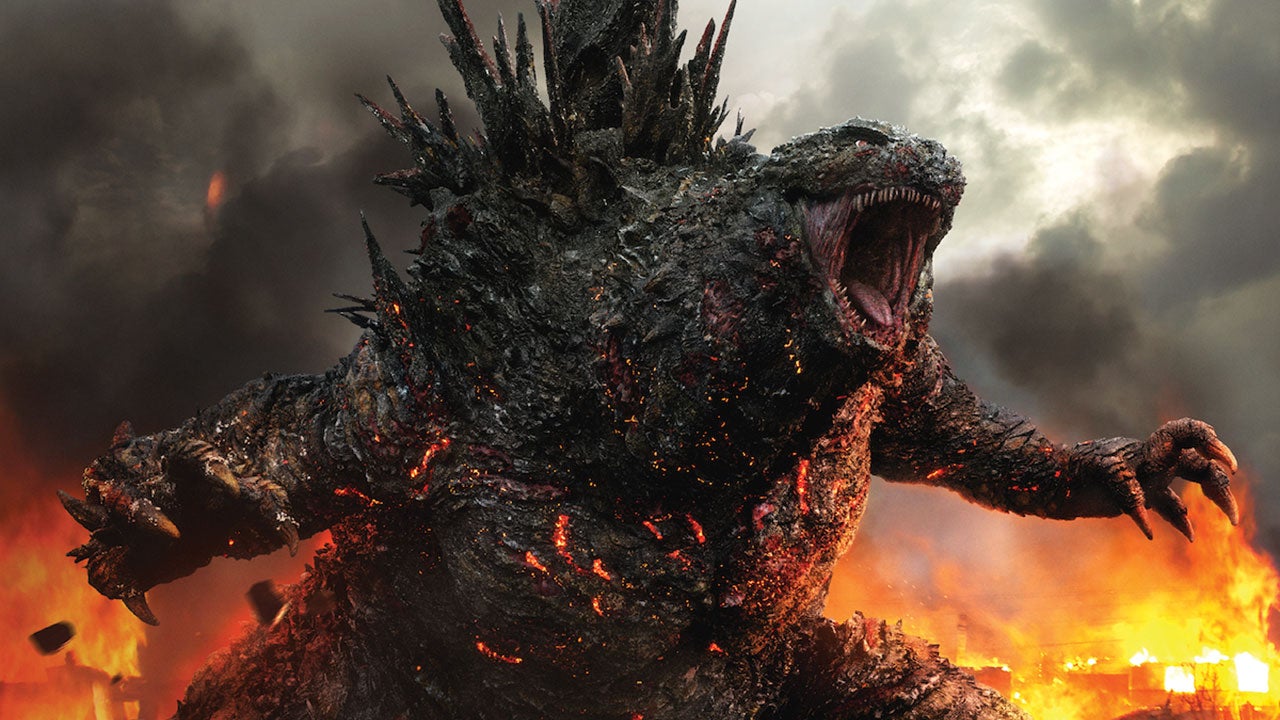
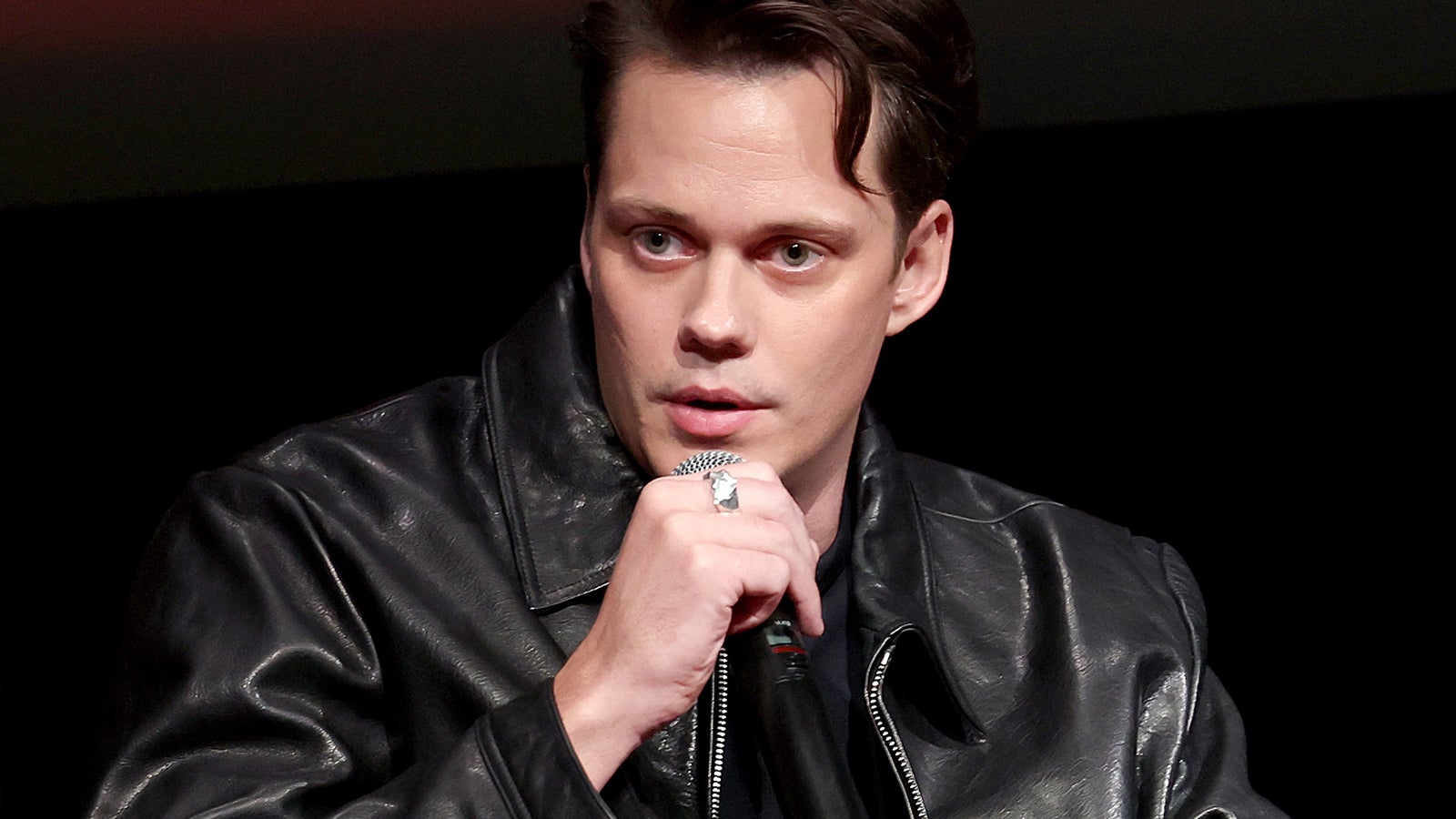
Director and screenwriter Takashi Yamazaki said that while working on the climactic battle in “Godzilla: Minus Zero,” he thought about the behavior of his two cats. The animals are usually friendly and playful, but sometimes their roughhousing seems to him like a real fight. That everyday observation helped him imagine how two enormous creatures might behave when play ends and a serious battle begins.
Yamazaki said that watching his cats has shaped how he sees any fight: he imagines two household pets facing off. That does not mean the scene literally recreates animal behavior. Rather, his personal impression served as a starting point for staging the clash between Godzilla and the three-headed King Ghidorah—not as an abstract duel, but as a chaotic brawl in which each tries to overpower the other.
A catlike quality is also evident in the way Ghidorah is described. When it first appears, it peeks out from behind buildings as people try to escape—a behavior Yamazaki compares to a cat on the hunt. The monster then destroys the city with electric blasts fired from its mouths. Afterward, it settles down for a long sleep in a mountain crater that, at kaiju scale, looks like a cat bed. The contrast makes it seem both threatening and strangely familiar.
The Script Logic of a Fight to the Death
The brutality of the final fight grew not only out of the director’s observations, but also from a specific line in the script. Yamazaki recalls describing the clash as a fight to the death. To him, that idea immediately implied an inevitable outcome: if two opponents fight to the death, one of them has to die. So the scene was built around the question of what would happen when both creatures actually used the abilities they had to kill each other.
Yamazaki thought about a fight like this in terms of opponents first tearing pieces of flesh from each other, weakening their rival, and then gaining the chance to deliver a finishing blow. He felt it was natural to apply that logic to kaiju in a fight to the death. This explains the nature of the battle: it is not a brief exchange of flashy attacks, but a gradual physical destruction in which injuries become part of the path to the final outcome.
The director also emphasized that the idea of one opponent inevitably dying implies chaos and a painful spectacle. At the same time, he admitted that at times he sees Godzilla as a cat being picked on. This perspective gives the scene a dual tone: the fight is vast in scale and merciless, but for its creator it is not merely a display of strength. There is also a sense of pity for a creature caught under another's onslaught.
Brutality, format, and audience impact
The piece describes the fight as one of the most physically brutal kaiju battles in the franchise. It compares it to Gareth Edwards’s 2014 film *Godzilla*, remembered for the finishing move in which an atomic heat ray is aimed down a MUTО’s throat. In *Minus Zero*, the confrontation with King Ghidorah begins immediately as a close-quarters brawl, with the monsters attacking each other’s vulnerable spots. This comparison describes the impression made by the scenes, not an official assessment of the franchise.
The filmmakers gave the climax an adult R rating, described in the publication as the first such rating for a Godzilla film. This provides context for the especially bloody depiction of the clash, although the rating itself does not explain every creative choice: Yamazaki attributes them primarily to the idea of a fight to the death and animal behavior. For viewers, it serves as a signal that the scene features a harsher depiction of violence than they might expect from a typical family adventure.
The article also notes another technical feature of the film: it was the first Japanese film shot for IMAX. This is a separate aspect of the production, not cited by the director as a reason for the violence or the source of the cat imagery. Along with its R rating, it shows that the film stands out in two respects—the format it was shot in and the level of onscreen violence. However, Yamazaki’s account offers no details on exactly how IMAX influenced the staging of any particular battle.
Premiere and Questions About a Sequel
The article notes that the film combines large-scale destruction with emotionally weighty human elements, and that the climactic fight uses the opportunity to show the consequences of a blow without holding back. The director’s explanation, however, shifts attention from the special effects to a simple premise: two creatures, each capable of killing the other, engage in a fight with no intention of backing down. This logic links the screenplay’s concept to the scene’s physical, chaotic form.
The U.S. theatrical release of “Godzilla Minus Zero” is scheduled for November 6; the source does not specify the year, so it cannot be clarified based on this information. The review in the article separately praises the satisfying and visually impressive scenes of destruction caused by giant monsters. This is the reviewer’s assessment, not a statement by Yamazaki about the film’s intent. The story about cats adds an explanation of how the director imagined the behavior of fighting monsters.
The future of the series remains uncertain. According to the publication, Yamazaki has not yet decided whether to turn his Godzilla films into a trilogy. He has also said that trying to top the Oscar-winning *Godzilla Minus One* could dilute what makes the film work. These remarks confirm neither plans for a third film nor a decision to abandon one. So, the current account reveals the idea behind a single climax, but offers no answer about the series’ future direction.
Source: IGN