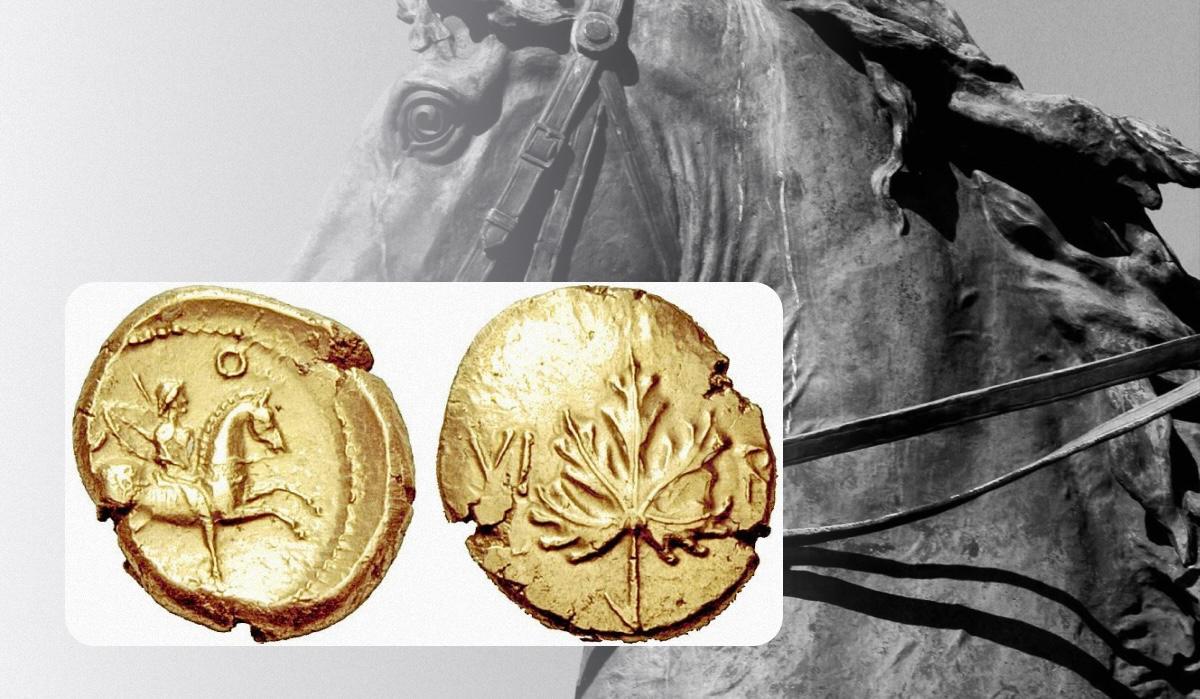
Cannabis in a Siberian grave dating back about 2,800 years: the discovery and debate over the evidence
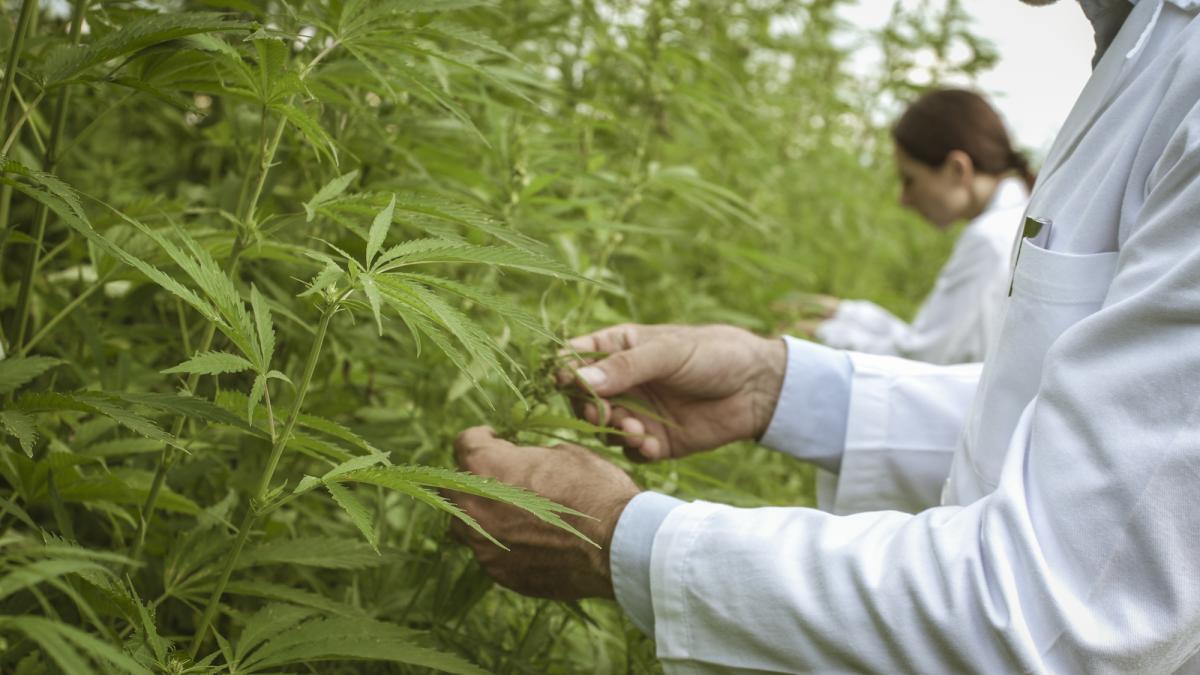
- More than a thousand cannabis seeds and human hair were found in the Tunnug-1 tomb; some of the seeds were dated using radiocarbon analysis.
- The study’s authors believe the hair analysis points to cannabis use around 2,800 years ago, although it is impossible to determine how it was used.
- Independent experts differ in their assessment of the evidence: critics say the hair may have been contaminated from external sources, while a supporter of the study considers its methodology sound.
A discovery in an ancient burial mound
Archaeologists found cannabis seeds and preserved human hair in the monumental Tunnug-1 tomb in southern Siberia. The authors of the published study believe the discovery may indicate that the plant was used for its psychoactive effects at least 2,800 years ago. If this interpretation is correct, it would be evidence from about 300 years earlier than the known evidence from neighboring China. However, the conclusion that cannabis had an effect remains the subject of scientific debate.
The Tunnug-1 complex is located in the Uyuk Valley, home to one of the oldest monumental tombs associated with Scythian material culture. The source describes the Scythians as nomads who migrated from Central Asia to the southern regions of what are now Russia and Ukraine. The find is therefore significant not only as evidence of the plant’s possible use: it also adds to our understanding of the burial practices of the community that left remains, objects, and plant materials in the mound.
Excavations of the large burial mound began in 2017. Researchers worked in a remote area, spending several months there at a time and facing marshes, snowfall, frost, and large numbers of mosquitoes; the expedition season lasted from spring to autumn. Finds included weapons, horse tack, and objects decorated with animal imagery in the characteristic Scythian style. Against this backdrop, the small black dots might at first have seemed insignificant, but they turned out to be cannabis seeds.
What is known about the seeds and hair
More than a thousand seeds were found in the tomb, and the age of some of them was determined through radiocarbon analysis. According to study co-author Jino Caspari, the seeds did not end up there by chance: they were deliberately placed in the burial. This suggests the plant was significant to the people associated with the ritual, but does not in itself explain exactly what role it played. Cannabis may have been connected with consumption, practical use, or funerary beliefs—the seeds found do not provide a definitive answer.
The find is particularly valuable because the seeds were found alongside preserved human hair. According to Caspari, archaeologists rarely find plant remains and human soft tissue containing active compounds in the same context. This combination allowed researchers to analyze the hair rather than relying solely on the presence of seeds in the grave. But the rarity and informational value of the archaeological context do not resolve the question of how reliably the analysis results confirm cannabis use specifically.
The study’s authors link the hair evidence to the conclusion that cannabis was used by people associated with the funerary rite. However, Caspari stressed that it is now impossible to establish how it was used. The study cannot determine whether people inhaled the smoke or consumed the plant with food. Thus, the claim of psychoactive use is an interpretation of the findings as a whole, not a direct description of a specific rite or method of use documented by archaeologists.
Why the study’s conclusions are disputed
The context of the find allows it to be compared with earlier accounts of cannabis, but does not make written sources conclusive evidence. The article mentions Herodotus’s reports that people in Central Asia smoked the plant around 440 BCE. In recent years, archaeologists have also found seeds in burials in the region’s mountain areas. However, modern researchers do not consider ancient texts sufficient evidence without additional data, and seeds in a grave alone do not prove psychoactive use.
Researchers from Germany, Russia, Sweden, and Switzerland took part in the study; the results were published in the journal Science. The authors combined archaeological context with hair analysis to offer a more specific explanation of the find than the simple suggestion that the plant was present in the burial. This approach opens up the possibility of testing ancient evidence of substances against biological remains. But the interpretation depends on whether traces of use can be distinguished from traces of contact with cannabis after the person’s death.
Independent expert Volker Auwärter, head of the Department of Forensic Toxicology at the University Medical Center Freiburg, called the hair analysis scientifically weak. He believes the available evidence is insufficient to conclude that the person used cannabis. In his assessment, the hair analysis results are what support the authors’ central claims that the plant was consumed for psychoactive purposes. The critic therefore argues that this weakness affects not a secondary detail, but the main interpretation of the find.
Significance of the finding and remaining questions
Auwärter also drew attention to an alternative explanation: traces of the substance could have ended up on the hair through prolonged exposure to cannabis in the burial. In other words, in his view, the signal detected does not necessarily distinguish use from external contact. The expert believes that specialists in forensic toxicology should have been consulted to verify the result and that a laboratory analysis should have been conducted. The source does not report any such additional testing, so this remains one of the main questions about the study’s evidence base.
Elisa Guerra-Doce of the University of Valladolid disagrees with this criticism. She points out that hair toxicology analysis has already been used in archaeological studies to detect traces of psychoactive substances. In her assessment, the method chosen by the authors helped show that cannabis was not merely present in the tomb as a grave offering, but was associated with the people who took part in the ritual. Thus, the specialists do not disagree about the presence of seeds and hair, but about how convincingly the analysis links them to use.
Interpreting the find is complicated by the fact that cannabis was used not only as a psychoactive plant: oil was extracted from its seeds, while its fibers were used to make textiles. The deliberate placement of seeds in the tomb points to their significance, but does not establish a specific purpose. Questions remain open about how traces came to be on the hair and how the plant was used, if it was indeed used at all. The study therefore extends the chronology of cannabis’s possible use, but does not settle the debate over what exactly happened at Tunnug-1.
Source: UNIAN