A 47-year study shows when the loss of physical strength begins
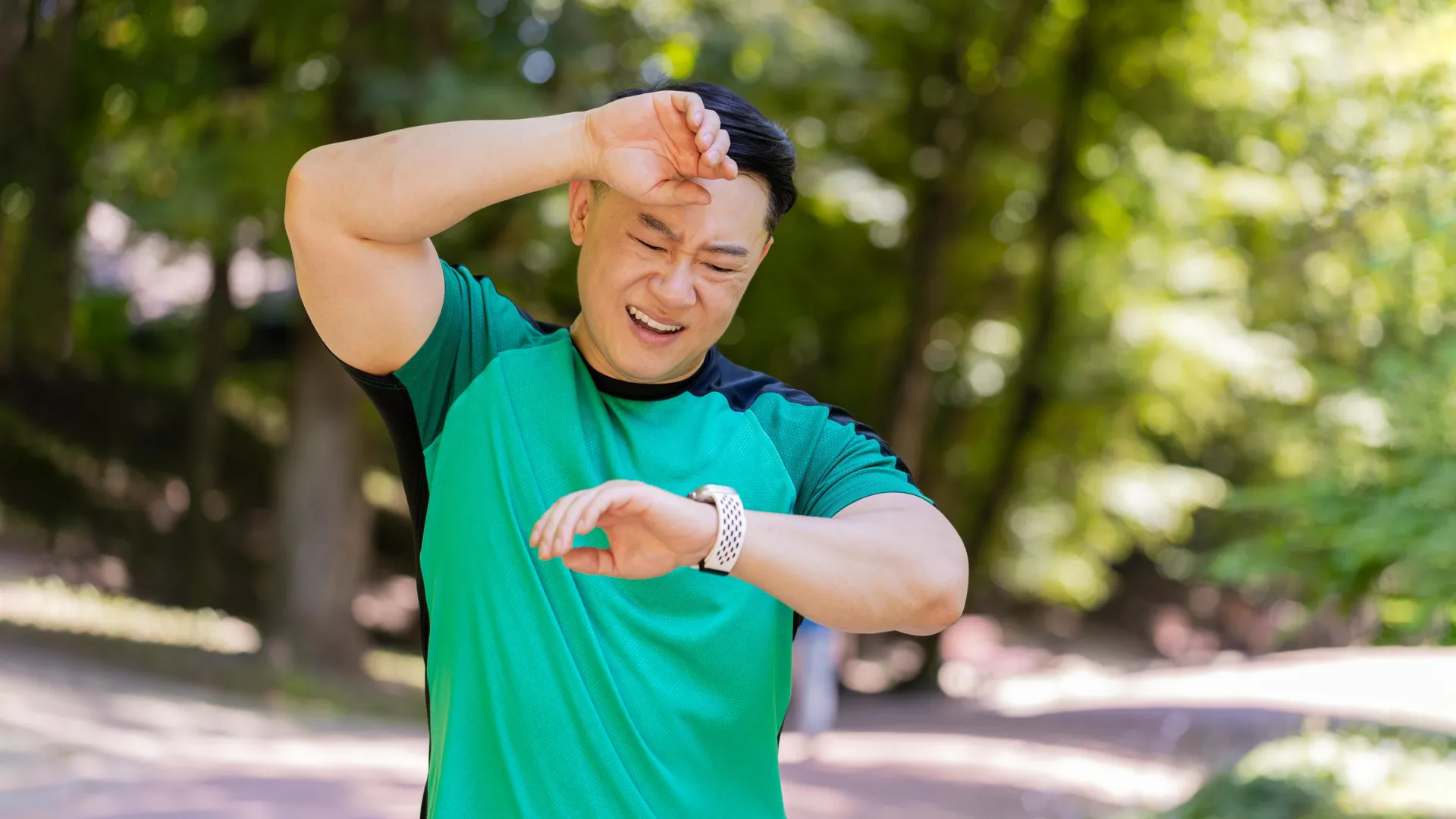
- Physical abilities start to decline at age 35
- Activity can slow this process
- The study covered 47 years and 427 participants
A study on the loss of physical strength with age
A recent study conducted in Sweden found that physical abilities begin to decline as early as age 35. This finding is based on a 47-year study involving 427 individuals born in 1958. Participants underwent physical tests from ages 16 to 63, allowing researchers to observe changes in physical activity throughout their lives. The results of the study were published in the Journal of Cachexia, Sarcopenia and Muscle in 2025.
The study showed that aerobic endurance and muscle strength peak between the ages of 26 and 36, after which a gradual decline begins. By age 63, the average physical performance of participants had dropped by 30-48% from peak values. This decline is observed in both men and women, highlighting the universality of the results.
Although physical activity cannot completely prevent a decline in physical abilities, it still plays an important role in maintaining health. Participants who started exercising in adulthood showed an improvement in physical activity of 5-10%. This indicates that even small changes in lifestyle can have a significant impact on health.
The onset of decreased physical activity
The study also revealed that decreased physical activity is not the only cause of deterioration. Biological changes occurring in the body with age also contribute to this process. Scientists continue to study what specific mechanisms lead to decreased physical activity and how physical activity can slow this process.
One of the most interesting aspects of the study is that physical activity can slow the decline in performance, but cannot completely stop it. This finding emphasizes the importance of regular physical exercise throughout life. "It's never too late to start exercising," says lead author Maria Westerstol.
The study also showed that changes in muscle cells, the nervous system, and the body's ability to produce energy can gradually reduce physical performance. For example, changes in mitochondrial function, which is responsible for converting nutrients into energy, can affect muscle efficiency.
The impact of physical activity on health
As we age, muscles may lose mass and become less responsive to signals that trigger their growth and recovery. This can lead to sarcopenia - an age-related condition associated with the loss of muscle strength and mass, making it difficult to perform daily tasks.
The study also emphasizes that maintaining physical activity is important not only for preserving muscle strength but also for overall health. In 2026, a follow-up study found that individuals with better aerobic endurance at ages 34 and 52 had lower arterial stiffness at age 63.
Arterial stiffness is associated with an increased risk of cardiovascular diseases, and the study results show that physical activity in young age can have long-term benefits for heart health.
Biological mechanisms of aging
Thus, the results of the Swedish study emphasize the importance of physical activity throughout life. Even if a decline in physical abilities begins at age 35, regular training can slow this process and improve overall health.
Scientists continue to explore the mechanisms that lead to a decrease in physical activity and hope to determine why physical activity can slow down but not stop the loss of performance.
In conclusion, the research results show that maintaining physical activity and health in adulthood is crucial for improving quality of life and reducing the risk of age-related diseases.
Source: ScienceDaily