Sony asks the court to move the class action over PlayStation licenses to individual arbitration.
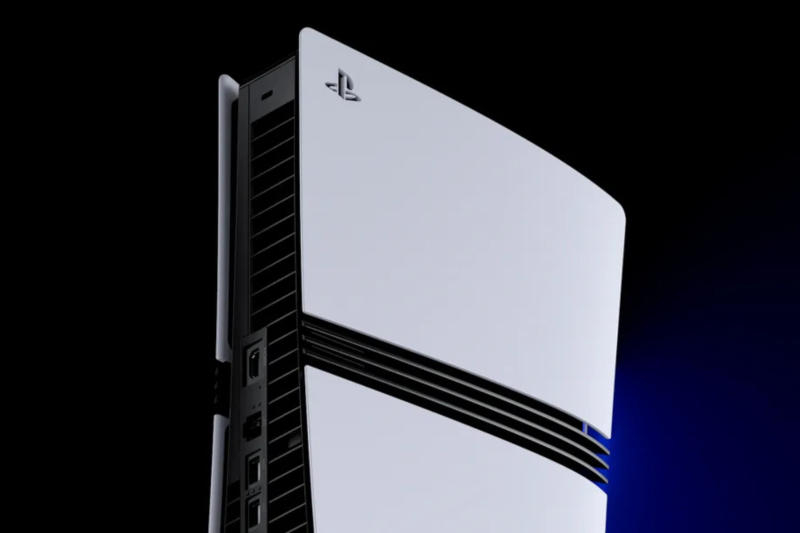
- Sony is requesting to convert the class action lawsuit into individual arbitration.
- The plaintiffs refer to the California licensing law of 2025.
- The court has set key dates for filing responses and hearings.
On August 21, Sony Interactive Entertainment filed a motion in federal court for the case brought against the company by a group of PlayStation console owners to be considered not as a class action, but within the framework of individual arbitration. This requirement is related to a clause in the user agreement that obliges American consumers to resolve disputes through arbitration unless they submit a written opt-out within 30 days of accepting the terms.
The essence of the plaintiffs' claims
Four PlayStation owners have filed a lawsuit claiming that in Sony's online store, the buttons labeled 'Buy Now' and 'Confirm Purchase' are used when selling recalled licenses for video games. They believe that such wording misleads consumers into thinking they are acquiring ownership rights rather than a limited license.
The lawsuit is based on a California state law that came into effect on January 1, 2025, which prohibits the use of the words 'buy' or 'purchase' when it only concerns a license. All contested transactions were made after this date, and buyers received only a limited revocable license, even though the store referred to ownership rights.
The plaintiffs sent Sony two letters demanding changes to the wording in accordance with the law, but they claim the company did not respond. They believe that such marketing practices violate their consumer rights and are seeking a public injunction.
Sony's Arguments
In its response, Sony emphasized that before purchase, the user agrees to the terms of the license, which clearly states that a 'personal license' is acquired, not 'ownership of the product'. According to the company, a reasonable consumer cannot be misled, as the terms are available before the transaction is completed.
The company also provided an example of two plaintiffs who bought the same game with an 11-day difference. If the purchase transferred full ownership rights, the second buyer would not have been able to complete the purchase, which, according to Sony, confirms the absence of transfer of ownership rights.
U.S. case law since 1925 allows for mandatory arbitration; however, in 2011, the Supreme Court ruled that a contract cannot deprive a consumer of the right to seek a public injunction if the company's actions infringe on the interests of all buyers. This precedent is used by the plaintiffs in their argumentation.
The court has set deadlines: by September 4, the plaintiffs must submit a response to Sony's motion, and the company itself must respond by September 11. The main hearing is scheduled for October 1.
The case has drawn attention to the issue of how large technology companies formulate the terms of sale for digital goods, and how new legislative initiatives, such as the California licensing law, are capable of changing online commerce practices.
Source: 3DNews