Nvidia stopped disclosing revenue from GeForce RTX in its quarterly report
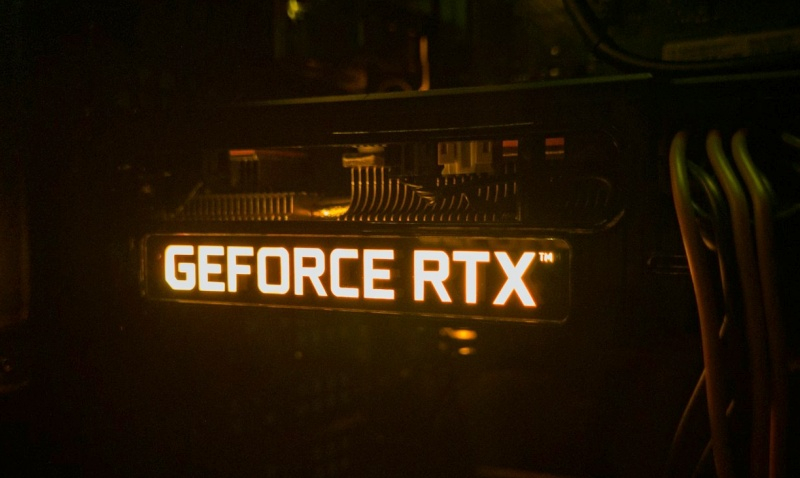
- Nvidia removed the separate gaming section from the Q2 FY2027 report.
- Data Center revenue – $89 billion, edge computing – $7.2 billion.
- Gaming revenue is now included in 'Edge Computing'.
- The graphics card market is suffering from rising prices, GeForce sales may decline.
At the end of July 2026, Nvidia published the results for the second quarter of the 2027 fiscal year. The document completely removed lines dedicated to the gaming segment for the first time, and there are no mentions of GeForce RTX graphics cards. This is a consequence of the reporting structure change introduced in May of this year.
New revenue categories
The company now divides revenue into only two major segments. Data Centers generated $89.0 billion, which is 18% more than the previous quarter and more than double the figure from a year ago (+117%). Edge Computing – a combined block that includes the previously separate gaming business, workstations, robotics, and automotive solutions – amounted to $7.2 billion, an increase of 13% quarter-over-quarter and 27% year-over-year.
As a result of the merger, it is impossible to accurately determine which part of this amount was attributed to traditional gaming graphics cards GeForce RTX, as well as to revenues from custom consoles (for example, Nintendo Switch 2) and the cloud service GeForce NOW.
Why Nvidia changed its reporting
According to the company, the new distribution better reflects the 'current and future growth drivers.' The main factor is the increase in demand for local artificial intelligence solutions, where Nvidia graphics processors are often repurposed from gaming use to computational tasks. An example is the GeForce RTX 5090 model, which some users adapt for running heavy AI models.
The report highlights achievements in local AI, robotics, and autonomous transportation. Among the key projects is the joint platform RTX Spark with Microsoft, designed for Windows PCs with performance up to 1 petaflop and primarily focused on AI tasks. Also mentioned are DGX Station for Windows, optimization of open AI models for local deployment, and the expansion of the automotive platform DRIVE Hyperion.
The lack of separate gaming statistics coincided with a deterioration in the consumer graphics card market. The rise in memory and other component prices has led to a noticeable increase in the cost of gaming GPUs, which, according to analysts, reduces demand among gamers.
Since the new financial categories obscure the details of GeForce sales, it is difficult to assess the real state of the gaming segment. However, indirect data indicates a decline. AMD's report for the same period states that the company's revenues from the gaming segment fell by 31% compared to the same quarter last year, which may indicate an overall decline in demand for gaming graphics cards.
Thus, Nvidia now presents its revenues in a broader context of peripheral computing, leaving analysts with less information about the traditional gaming business. How this will affect the company's strategy and the graphics card market remains to be seen.
Source: 3DNews