Late dinners are associated with a 30% increased risk of liver disease
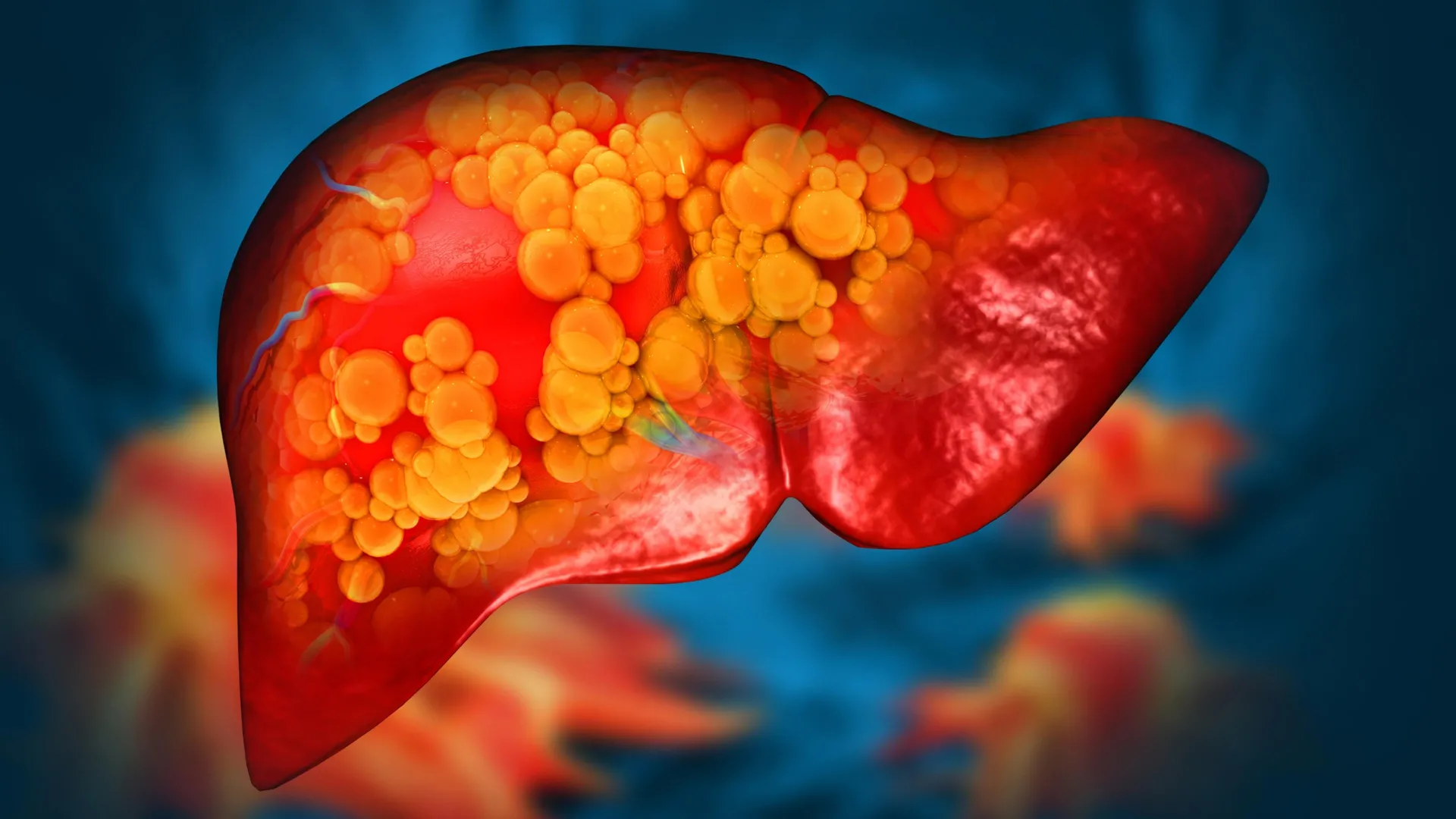
- Late-night eating is associated with a 20–30% higher risk of liver disease; causation has not been established
- The study covers nearly 200,000 participants
- Further research is needed to confirm the link.
Late dinners and the risk of liver disease
An observational study found an association between eating after dinner or before bed and a higher risk of liver disease, but it did not establish causation. Participants who regularly ate after dinner or before bed had a 20-30% higher risk of developing liver disease compared to those who avoided late eating. This finding highlights the importance of meal timing for liver health.
The study, published in the journal Clinical Gastroenterology and Hepatology, covers data from three large national studies, including the Nurses' Health Study and the Health Professionals Follow-up Study. A total of nearly 200,000 people participated in the study, providing information about their eating habits and lifestyle. The results showed that late dinners are associated with an increased risk of fatty liver disease and cirrhosis.
Fatty liver disease, affecting up to 30% of the U.S. population, occurs when excess fat accumulates in the liver. While most people with this disease do not develop serious forms such as cirrhosis, the study emphasizes that limiting calorie intake a few hours before sleep may be beneficial for liver health.
The connection between late eating and liver diseases
One possible reason for the connection between late eating and liver diseases is the circadian rhythms of the body. These internal biological processes regulate sleep, metabolism, and other functions throughout the day. The liver is particularly sensitive to these rhythms, and eating at times when the body is preparing for sleep can disrupt its functions.
Researchers also noted that night shift workers, whose work schedules contradict the body's natural rhythms, have higher rates of obesity and cardiovascular diseases. This raises the question of how irregular eating can contribute to metabolic problems, including liver diseases.
Dr. Robert Wilhelanski, the lead author of the study, noted that changing meal times may be more accessible for people than changing the composition of their diet. This opens up new opportunities for improving health without the need to radically change eating habits.
Research methodology
Dr. Andrew McHill, co-author of the study, emphasized that the results confirm the importance of the timing of daily activities such as sleep, nutrition, and physical activity. He noted that late dinners can reduce metabolic efficiency and lead to obesity and other health problems.
Despite the significance of the data obtained, the study has its limitations. It is observational, meaning it identifies associations between eating habits and health status but does not establish causal relationships. Participants provided self-reported information about their habits, which may affect the accuracy of the data.
Further research is needed for a more accurate understanding of the relationship between meal timing and liver health. Currently, a team of researchers from OHSU is conducting a clinical study that plans to observe meal timing and its impact on the health of individuals with fatty liver disease.
Practical conclusions and further research
The aim of the new study is to determine whether changing meal timing can lead to improved health outcomes in people with fatty liver disease. This may help establish whether meal timing should be considered alongside other approaches to managing metabolic and liver health.
The authors of the study emphasize that their findings add to the growing body of evidence linking late dinners to negative metabolic and liver consequences. This discovery could serve as a foundation for further research in nutrition and health.
In conclusion, while the study raises important questions about the impact of meal timing on liver health, more data is needed to confirm these findings. Nevertheless, the results may already encourage individuals to reflect on their eating habits and their impact on overall health.
Source: ScienceDaily