Popular weight loss medications are associated with an unexpected nail problem
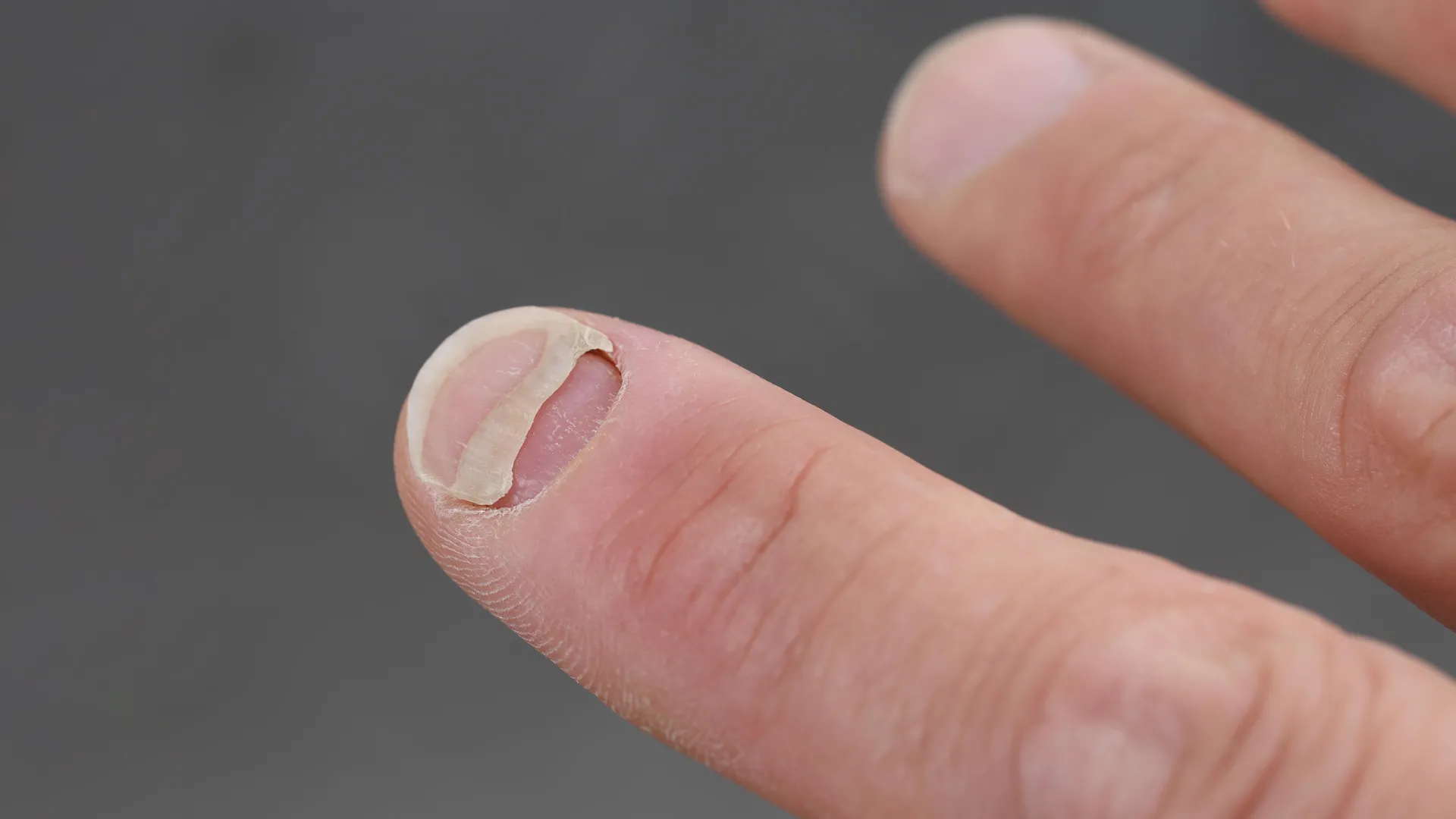
- GLP-1 medications may cause nail detachment
- 66% of users report nail problems
- The study does not confirm a direct link to the medications
Nail problems in users of GLP-1 medications
A recent international study revealed unexpected issues associated with popular GLP-1 medications used for weight loss and the treatment of type 2 diabetes. In particular, 39% of users of these medications reported problems with nail detachment, which is more than four times higher than the rates among those who have never taken these drugs. This data was presented at the Congress of the European Academy of Dermatology and Venereology in 2026.
The study included 575 people using GLP-1 medications and 1,329 people with type 2 diabetes and/or obesity who did not take these drugs. Participants were recruited from France, the USA, Brazil, and Mexico. The results showed that 66% of GLP-1 users reported having at least one nail disorder, while the rate in the control group was 53%. The difference in nail discoloration was particularly notable: 46% of users faced this issue compared to 17% of non-users.
Researchers also noted that nail problems may not always be related solely to weight loss, as even among those who lost weight, GLP-1 users continued to report significantly more nail issues. This highlights the need for further investigation into the effects of these medications on nail health and other parts of the body.
The study and its results
In addition to nail problems, a companion study revealed significant differences in hair and scalp condition among GLP-1 users. Half of the users reported unusual hair loss, while among non-users, this figure was 34%. It was also noted that 42% of users experienced a decrease in hair volume or density, which is twice as much as in the control group.
Interestingly, 26% of GLP-1 users reported hair loss that began after starting treatment, compared to 12% of non-users. This suggests that hair issues may be related not only to weight loss but also to inflammatory processes on the scalp. Researchers emphasize that inflammation may be an important factor contributing to these changes.
Dr. Bruno Aliua, one of the authors of the study, noted that scalp inflammation may be more common than previously thought, and it could be a treatable condition. This finding highlights the need for a deeper investigation into the condition of the scalp and hair in GLP-1 users.
The link to hair loss and scalp condition
Despite the high frequency of reported symptoms, researchers emphasize that the results should raise awareness, not panic. "These changes are often benign and should not be a reason to discontinue effective treatment without consulting a doctor," noted one of the study's authors.
It is important to note that both studies were cross-sectional, meaning they examined participants' experiences without long-term monitoring of symptom development. This limits the ability to establish causal relationships between GLP-1 medications and issues with nails, hair, or scalp.
The study also showed that about half of GLP-1 users reported nail problems even before starting treatment. This highlights the need to consider existing skin conditions and nutrient deficiencies when analyzing the data obtained.
Practical implications and limitations of the study
Although the differences between groups decreased when accounting for these factors, nail peeling and discoloration remained two to three times more common among GLP-1 users. This suggests that the medications may have an impact on nail health, although they are not necessarily the sole cause.
In conclusion, the study's results emphasize the need for further research on the impact of GLP-1 on nail and hair health. It is important for healthcare professionals to be aware of potential side effects and to provide patients with the necessary information and support.
Thus, although studies show a connection between GLP-1 medications and issues with nails and hair, further research is needed for a deeper understanding of these effects and their causes. This will help ensure the safety and effectiveness of treatment for patients.
Source: ScienceDaily