FDA-approved epilepsy drug may help repair damage in osteoarthritis
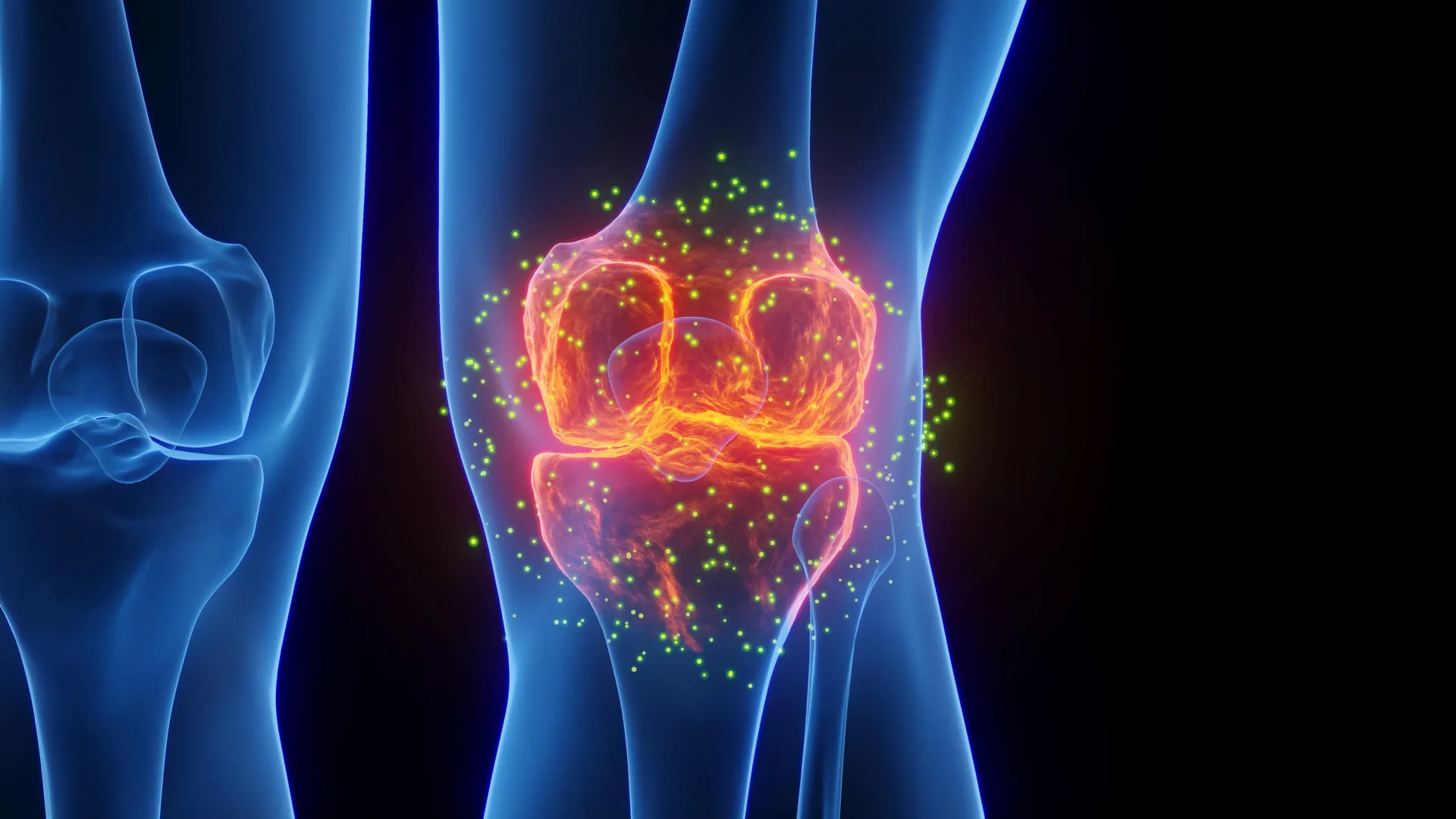
- Lacosamide may relieve pain and restore cartilage in osteoarthritis
- The drug is administered into the joint using a special hydrogel
- The study opens new opportunities for the treatment of osteoarthritis
Lacosamide as a new approach to the treatment of osteoarthritis
Osteoarthritis is a condition that affects millions of people worldwide, causing pain and stiffness in the joints. Traditional treatment methods, such as over-the-counter medications and steroid injections, may temporarily relieve symptoms but do not prevent the progression of joint damage. A study conducted at Yale University offers a new approach to the treatment of osteoarthritis that could change the situation.
According to data published in the journal Bioactive Materials, scientists found that lacosamide, a drug approved by the FDA for the treatment of epilepsy, can not only reduce joint pain but also restore cartilage tissue. This discovery is significant, as there are currently no approved medications that can simultaneously relieve pain and prevent structural damage to cartilage.
A study led by Professor Chuan-Zhu Liu has shown that lacosamide, administered directly into the joint using a special hydrogel, demonstrates particularly strong effects. This could be a breakthrough in the treatment of osteoarthritis, as it not only alleviates symptoms but also targets the disease itself.
Osteoarthritis issues and existing treatment methods
Osteoarthritis is often described as a disease caused by joint wear and tear; however, this simplified explanation does not take into account the complex biological processes occurring in the joints. In a healthy joint, cells known as chondrocytes maintain cartilage by balancing the creation of new material and the removal of old material. In osteoarthritis, this balance is disrupted, leading to cartilage destruction and, ultimately, the need for surgical intervention.
In the course of the study, scientists focused on the Nav1.7 protein, which functions as a sodium channel. This protein plays an important role in the transmission of pain signals and, as studies have shown, is also active in chondrocytes. Increased activity of Nav1.7 in osteoarthritis may enhance pain sensations and contribute to cartilage degradation.
According to Professor Liu, "when Nav1.7 becomes dysregulated, it contributes to both joint degeneration and pain." This makes Nav1.7 a unique target for therapy, as its blockade can simultaneously reduce pain sensations and halt cartilage destruction.
The study and its results
Researchers tested various drugs that already inhibit sodium channels and found that lacosamide demonstrates strong biological effects at significantly lower concentrations than older drugs. This finding highlights the importance of optimal dosing, as too high or too low a concentration can reduce the drug's effectiveness.
Lacosamide also changes the way cells communicate with each other. It stimulates the release of two beneficial signaling proteins, HSP70 and midkine, which help cells cope with stress and support tissue recovery. These proteins create a more favorable environment for maintaining cartilage.
Although oral administration of lacosamide has shown its effectiveness in preclinical trials, researchers decided to focus on injections into the joint to minimize the risk of side effects. However, as Liu noted, "the knee joint acts like a leaky bucket," and fluids injected into the joint can be quickly eliminated from the body.
Prospects for the use of lacosamide in clinical practice
To address this issue, the team developed a special collagen II-based hydrogel that responds to temperature. It remains liquid in the syringe but turns into a dense gel upon reaching body temperature. This allows lacosamide to be retained in the joint, providing gradual release over several weeks.
Hydrogel acts as a local reservoir, keeping the medication in the right place and allowing it to have a prolonged effect on the joint. This can significantly improve the outcomes of osteoarthritis treatment, providing both pain relief and cartilage tissue regeneration.
Thus, the study of lacosamide opens new horizons in the treatment of osteoarthritis. If further clinical trials confirm the efficacy and safety of this approach, it could lead to the development of new therapies that not only alleviate symptoms but also modify the course of the disease.
Source: ScienceDaily