Plastic, once considered harmless, may contribute to the development of fatty liver disease
- Microplastics can exacerbate fatty liver disease
- Polyethylene activates a protein that regulates fat metabolism
- Further research is needed on the impact of microplastics on health
The impact of polyethylene on liver health
Microplastics, including polyethylene, have become the subject of active research in recent years. These tiny plastic particles have been found in various environments, including the ocean, drinking water, and even in the human body. Although their presence is well documented, scientists continue to study how prolonged exposure to microplastics may affect human health. Researchers from Texas A&M University have identified a potential health threat associated with polyethylene, one of the most common plastics in the world.
Polyethylene accounts for about one third of the total plastic production in the world and is used in everyday items such as food packaging, containers, and wraps. Despite its widespread use, the impact of polyethylene on liver health has remained under-researched. Dr. Adi Joshi, an associate professor of veterinary physiology and pharmacology, noted that "no one has studied the impact of polyethylene on liver health, even though it is the most widely produced plastic."
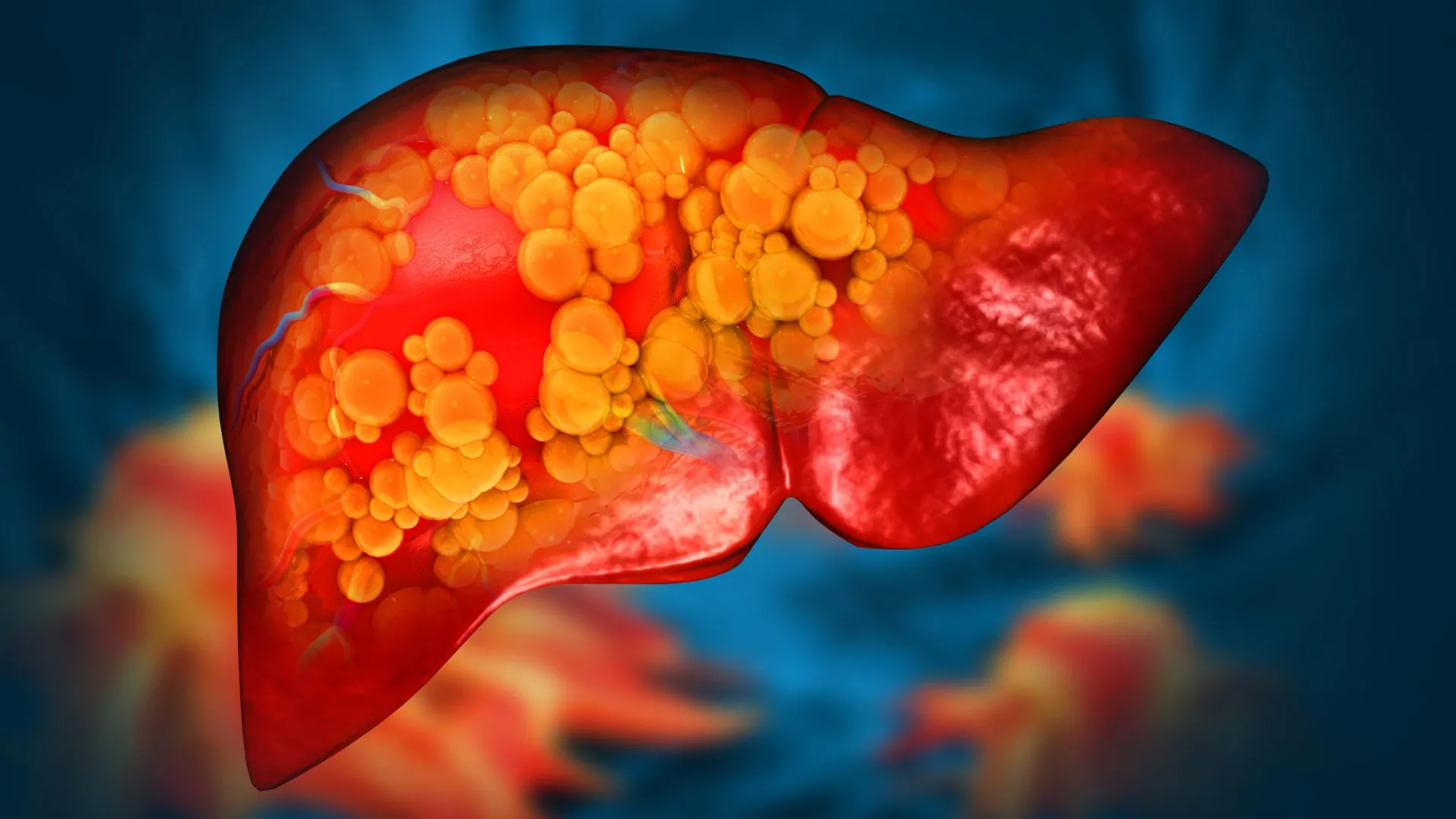
The study showed that exposure to polyethylene may contribute to the development of fatty liver disease, which occurs when excess fat accumulates in liver cells. According to the American Liver Association, this disease affects about 25% of the world's population, making it a serious global issue. Scientists found that even without the influence of poor nutrition, exposure to polyethylene increased the indicators of fatty liver disease.
Study of polyethylene and fatty liver disease
When exposure to polyethylene was combined with a diet high in fats, fructose, and cholesterol, the symptoms of liver disease became more pronounced. This suggests that exposure to environmental pollutants and poor dietary habits may amplify each other's harmful effects, potentially exacerbating liver damage. Dr. Joshi noted that "people with a Western diet, including burgers and soft drinks, may have a higher risk of progressing to fatty liver disease with exposure to polyethylene."
The results of the study were unexpected, as polyethylene has traditionally been considered a relatively biologically inert material. This means that scientists generally thought it less likely to interact with biological systems compared to more reactive substances. However, new data shows that polyethylene may affect liver functions in ways that were not previously considered.
Researchers from Texas A&M University, along with scientists from the University of Oklahoma, applied a powerful technology known as spatial transcriptomics. This method allows for the study of gene activity while preserving information about the location of individual cells within the tissue. Using this approach, the team was able to map areas of liver damage associated with polyethylene exposure and identify molecular pathways that may explain these effects.
Mechanisms of microplastic impact on the liver
One of the important discoveries is that polyethylene activates the PPAR-alpha protein, which helps regulate fat metabolism in the liver. Researchers also identified the ANXA2 gene, associated with tissue repair, as another possible factor contributing to the disease process. These findings provide a more detailed picture of how polyethylene may interfere with normal liver functions, including mechanisms for protecting and repairing damaged tissue.
Dr. Joshi believes that understanding these biological pathways may ultimately help researchers identify potential treatments that reduce the harmful effects of microplastic exposure. However, despite the important findings, several key questions remain unanswered. Researchers plan to investigate whether polyethylene exposure may contribute to more serious forms of liver disease, including fibrosis.
Fibrosis occurs when repeated or constant damage to the liver leads to the accumulation of scar tissue, which can disrupt the normal functioning of the organ. The team also intends to study other molecular processes related to the liver's response to polyethylene. One of the main directions will be to determine whether targeting the PPAR-alpha pathway can help protect the liver from damage associated with microplastics.
The need for further research
"This preliminary study shows that polyethylene may contribute to fatty liver disease, and the use of spatial transcriptomics allowed us to precisely identify where the damage occurred in the liver," noted Joshi. "Other microplastics may also be harmful to the liver, and we definitely need to study other classes of microplastics."
The results highlight growing concerns about the potential health consequences associated with microplastics, although further research is needed to establish how these experimental observations relate to everyday human exposure. For Dr. Joshi, this discovery underscores the need for a deeper investigation into the impact of microplastics on health.
In conclusion, the study of polyethylene and its effects on liver health opens new horizons in understanding the impact of microplastics on the human body. As polyethylene is one of the most common plastics, its potential effects on health require further attention and study to develop strategies to minimize the risks associated with its exposure.
Source: ScienceDaily