Phantom Blade Zero: Why 66 Days Mode Won’t Have a Separate Achievement
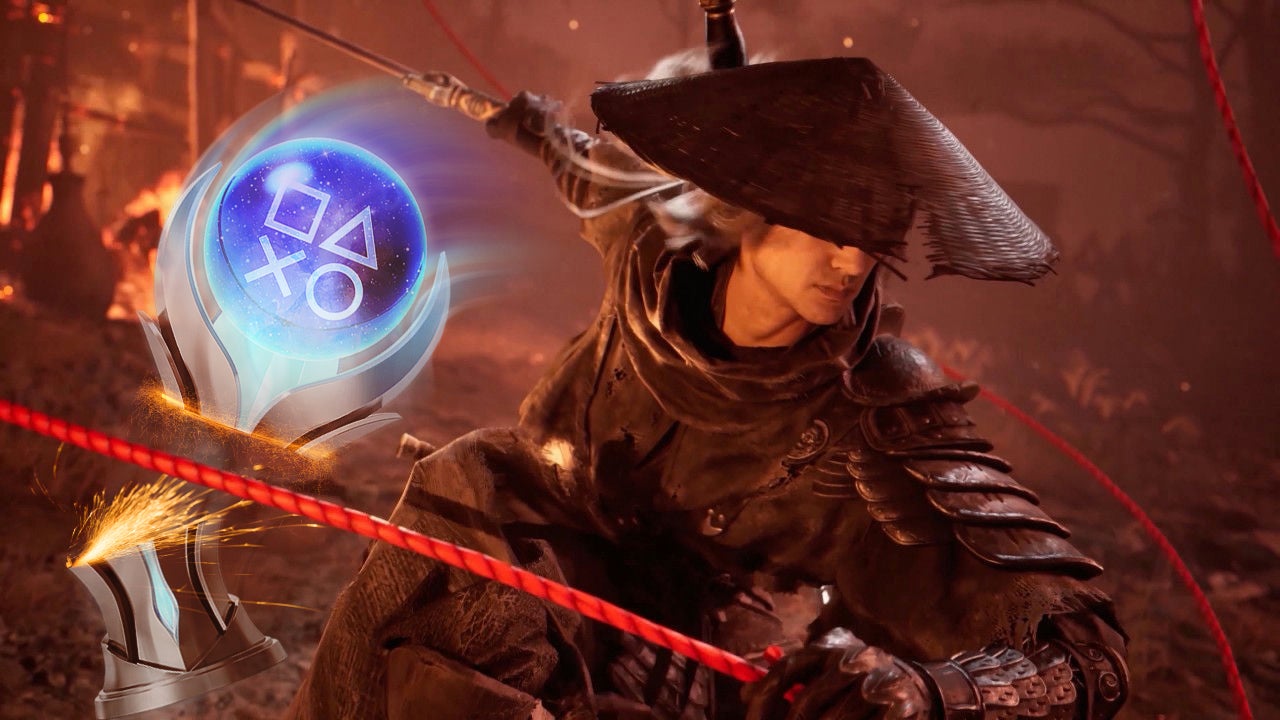
- 66 Days Mode unlocks after completing Phantom Blade Zero and limits players to 66 attempts to finish the campaign, but there won’t be a separate achievement for it.
- According to the developer, all of the game’s achievements can be earned in a single playthrough on any difficulty.
- The IGN writer believes that the push to make trophies accessible influences studios’ decisions, although the reasons for not awarding one for the mode have not been definitively confirmed.
The toughest mode, with no digital reward
During a recent visit to S-GAME, the studio preparing Phantom Blade Zero for release, journalists were shown 66 Days Mode. It unlocks after you finish the game and challenges you to complete the entire campaign with just 66 attempts. The limit is tied to the main character’s heart condition, turning one of his defining traits into a gameplay rule. The mode is designed as a test for especially dedicated players, but there is no separate achievement for completing it.
During the demonstration, one member of the press suggested that completing the new mode could be a fun goal for achievement hunters. The developer immediately clarified that there would be no special trophy, and that all achievements could be earned in a single playthrough on any difficulty. For the IGN columnist, this response was a telling example of how studios are trying to make achievement lists more accessible. The mode itself remains in the game, but choosing to play it is not rewarded with a digital badge.
S-GAME also said that 66 Days Mode would not feature unique weapons, enemies, or unlockable items; there would not even be a special cosmetic badge for winners. The author allows that the decision may have reasons unrelated to achievements. However, his conversations with the team left him with the impression that a desire not to alienate players who care about achievements may have played a role. This is the journalist’s interpretation, not an explanation confirmed by the studio.
How achievements became a deciding factor
The achievement system has been around for about two decades. It arrived with the Xbox 360 in 2005, and PlayStation and Steam introduced their own equivalents over the next three years. At first, achievements could guide players toward secrets and challenging trials beyond a standard playthrough. But in the author’s observation, more and more developers now plan achievement lists in advance so they can be completed without excessive effort and, generally, in a single run.
One personal conversation helped the author understand why some players study trophy lists so closely. A new acquaintance he met while playing a tabletop role-playing game said he was looking forward to the new Castlevania and wanted to see what achievements it would have first. For this player, steadily working through a list is reassuring. But if it demands too much, it starts to cause stress and can put him off playing the game altogether.
According to the author, in 2026, during numerous visits to game studios, he increasingly heard about plans to make achievements simple and frustration-free. He also notes that some players factor them into their purchasing decisions and may pass on a game if they’re not sure they can complete the entire set. This doesn’t mean most players do this: the author is careful to acknowledge the limits of his observations and doesn’t consider this approach widespread. But even an audience like this can matter to studios.
Gaming Task Lists and Their Impact on the Experience
The column links the growing habit of checking off completed items to the spread of live-service games. The author cites Fortnite as an example: daily quests can encourage players to log in for XP, even when the available tasks aren’t for the modes they feel like playing that day. This system turns some of players’ time into completing a list for a reward. In the journalist’s view, similar logic is gradually making its way into single-player games, where such tasks were not previously a required part of the everyday experience.
As an example from single-player games, the author mentions recent entries in Ubisoft’s Assassin’s Creed series, which introduced daily and weekly assignments. They believe these lists can encourage repetitive actions rather than letting players focus on the game’s more engaging content. To them, this is different from voluntarily searching for secrets: a daily task sets an external rhythm and requires players to return for another checkmark. At the same time, the journalist does not claim that players are obliged to complete these assignments.
The author himself prefers to see daily tasks as an optional extra—or sometimes as an interruption that can be ignored. He worries about an approach where players study a guide beforehand and play while checking off a list to make sure they don’t miss anything. He believes that this kind of experience loses some of the joy of discovery and the personal connection to the story. He compares it to following a set of building instructions step by step instead of creating something of your own, while acknowledging that this is just his view of the best way to play.
The balance between accessibility and challenge
For developers, the issue goes beyond how a trophy list is designed. The author writes that the designers and executives he spoke with often view achievements with irritation or even hostility. He also cites Sam Barlow, who worked on the Silent Hill series before creating Her Story and Immortality: Barlow posted a series of messages on social media about the conflict between players’ expectations and creators’ intentions. When trophies influence a game’s sales, studios can no longer treat them as an insignificant detail.
There’s also a reasonable argument for making achievements more accessible: not every player has the time, patience, or skill for especially difficult challenges. The author heard this argument from some S-GAME developers while discussing Phantom Blade Zero. A more lenient list can lower the barrier for players who care about trophies but don’t want to replay a game multiple times. The downside is that fans of difficult goals lose the chance to commemorate a particular feat, while a mode like 66 Days Mode is left without a special reward.
The author does not rule out the possibility that studios take trophy hunters into account and hope to sell more copies as a result, especially at a time when developers are facing studio closures and layoffs. However, he emphasizes that he does not know for sure why S-GAME specifically removed the achievement for 66 Days Mode. It also remains an open question how widely this kind of policy will change game design. His concern is that achievements could become a marketing promise of easy completion rather than recognition for uncovering a secret or overcoming a serious challenge.
Source: IGN