Articles
Barbecue and shashlik. Main differences
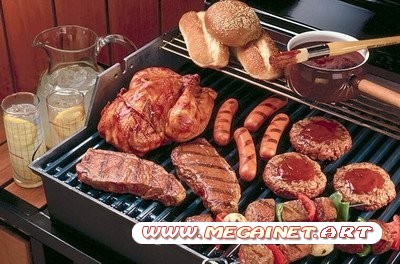
Barbecue и barbecue. Main differences
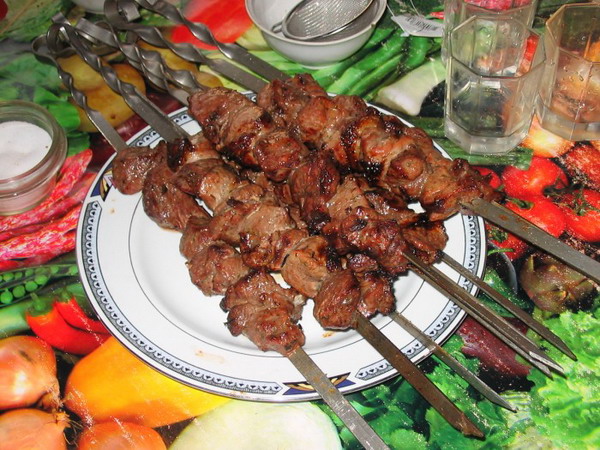
Shashlik. Shashlik in nature. Barbecue. Shashlik photo. Meat for shashlik. Barbecue photo.
Shashlik images. Kebab. Summer Shashlik. Mtsvadi. Barbecue Fish. Khorovats. Summer Barbecue
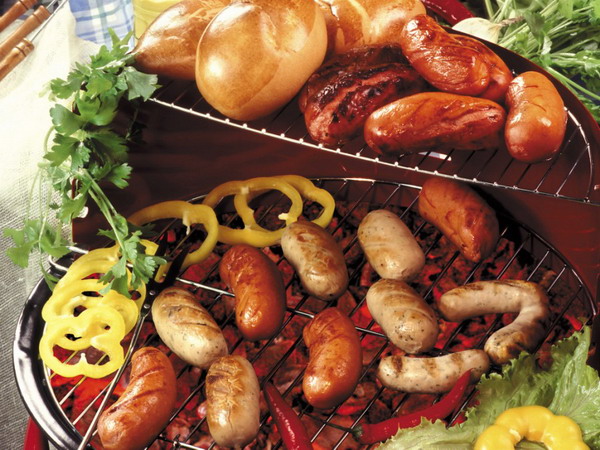
Both barbecue and shashlik are a celebration in the open air; they are both a process and a result, the name of a holiday and the dish itself. An American unconditionally calls this type of recreation barbecue, an Englishman calls it barbecue or grill, a German calls it grill, and we call it shashlik.
7 main differences:
1. Shashlik is cooked on a mangal, barbecue is cooked in a barbecue grill.
2. Shashlik is on skewers, barbecue is on a grate.
3. Shashlik is mainly in small pieces, barbecue – in large ones.
4. Shashlik is eaten with satsivi, barbecue – with Tabasco.
5. Shashlik with herbs and vegetables, barbecue – with French fries.
6. Shashlik is always marinated, barbecue – depending on the mood.
7. Shashlik in the open air (garden), barbecue – at a BBQ party.
2. The modern name of this dish owes to American advertising of the 19th century, which stated: Bar-Beer-Cue-Pig, which translates to Russian as 'bar-beer-communication-pig.'
Barbecue in America is a show and a hobby, a kind of sport. They even invented a word – BBQer, who cooks nothing but barbecue. However, Americans have elevated such a hobby to a profitable event – they even hold special championships where the prize fund for the winner sometimes reaches one hundred thousand dollars. The most famous of them takes place in the South African steppe, near Cape Town. Every November (in South Africa, November is a spring month), it gathers two hundred thousand people. This festival is called Braai.
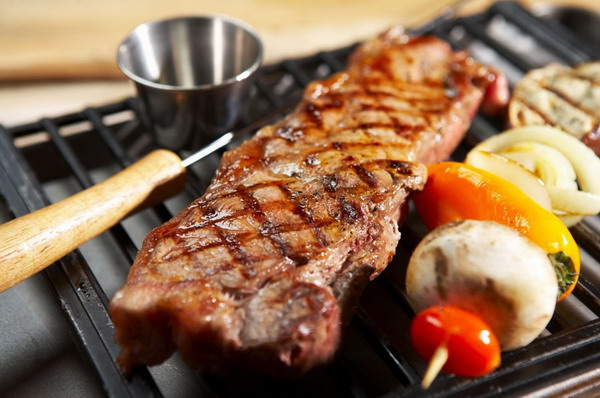
3. American barbecue enthusiasts approach the task methodically and thoroughly. To start, they pay great attention to the choice of meat, its type, and origin. Both pork, beef, lamb, and chicken are used. As for the chickens, the future victim must be 'raised' not in a cramped coop, but somewhere on free range. And the meat must be fatty; otherwise, the final product will get stuck in the teeth and tire the jaws. Perhaps that's why young piglets are the most popular among Americans.
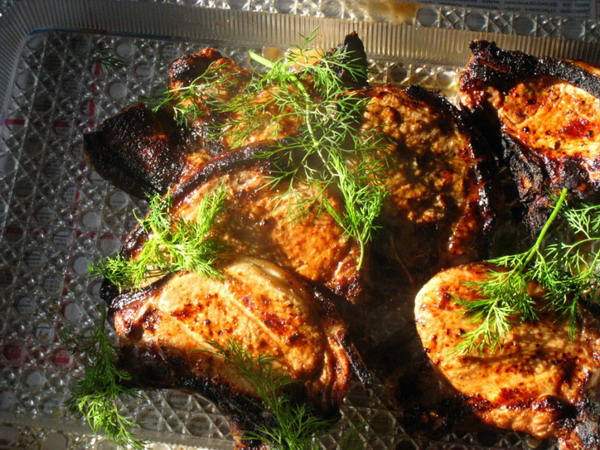
4. The barbecue professional uses a thermometer to measure the temperature in various parts of his setup, and then records the data on a special blueprint. Now he knows exactly how much firewood to toss into the fire, which is pre-dried to avoid thick, damp smoke that leaves a layer of inedible soot on the meat.
Now the most important thing is to properly perform the so-called "osmosis" – in Russian, this means to apply enough salt to the surface of the meat so that during the cooking process a crust forms, keeping the moisture inside. The bibikyu chef prepares the meat along with crushed garlic, pureed onion, pepper, and various other seasonings, but he has only one thing in mind – osmosis. Therefore, the bibikyu chef waits for the seasoning to soak in the juice and stick. Only after that is the meat sprinkled again (but not rubbed!) with seasonings. And what is also very important in American barbecue – the meat is almost never marinated beforehand. During the cooking process, the pieces being grilled are often sprayed with water or white wine – it all depends on personal preference.
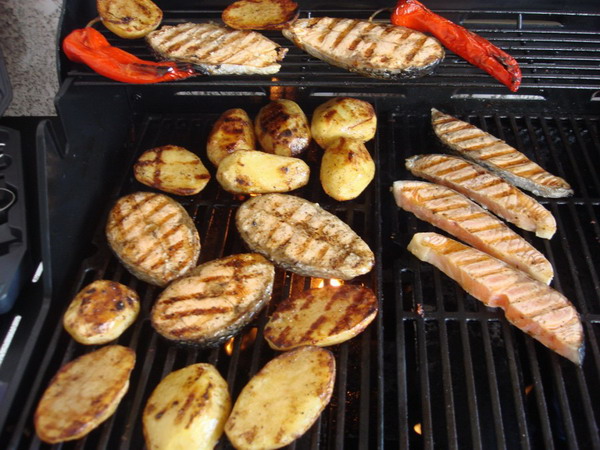
5. As for the grilling and roasting devices – barbecues – their selection can be very wide: from compact devices that easily fit in the trunk of a car to ceramic garden tables where a grill is located in the center of the tabletop, supported by an oven. However, for larger groups, it is still convenient to have a relatively large and comfortable grill, rather than a table with various attachments that accommodates no more than 5-6 people.
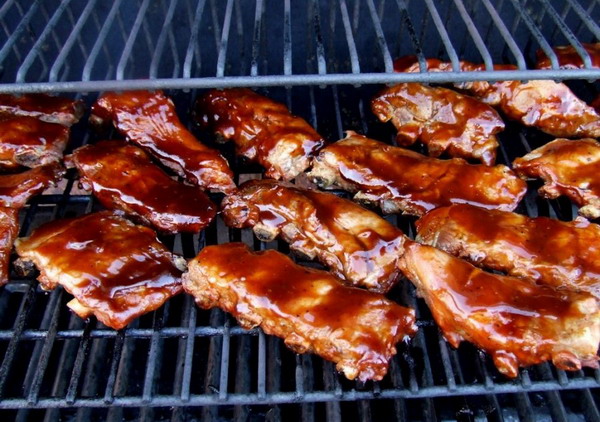
6. What do you need to know when buying a barbecue?
The walls of the overwhelming majority of models are quite thin and cannot withstand very high temperatures. Therefore, keep in mind: the charcoal grate is exactly the part that you need to pay attention to. It is not present in all models, and its absence significantly reduces the lifespan of the product. However, there is one more significant point.
The grate, although it helps reduce the 'conductivity' of the walls, does not always do so. However, heat-resistant coating will help, even if the walls are not thick enough. Good heat-resistant enamel can withstand temperatures of 700 degrees, while coals only heat up to 400 degrees. In inexpensive barbecues, the paint can only withstand 200.
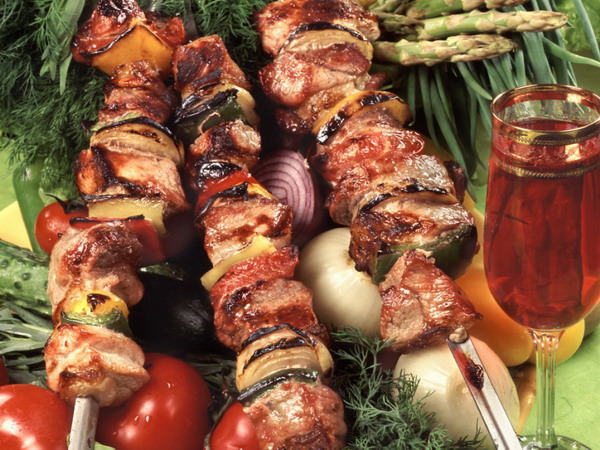
7. Shashlik is a delicate matter
Now let's see what is happening. First, about the terms. The word 'shashlik' is not of Caucasian origin, as many believe. It entered the Russian language thanks to the Zaporozhian Cossacks and Russian soldiers who participated in the Crimean campaigns of the 18th century. This word is a distortion of the Crimean Tatar 'shish' – 'skewer'. 'Shishlik' means 'something on a skewer'. Azerbaijanis, like other Turkic and Arab peoples, call shashlik 'kebab', Georgians call it mtsvadi, and Armenians call it khorovats.
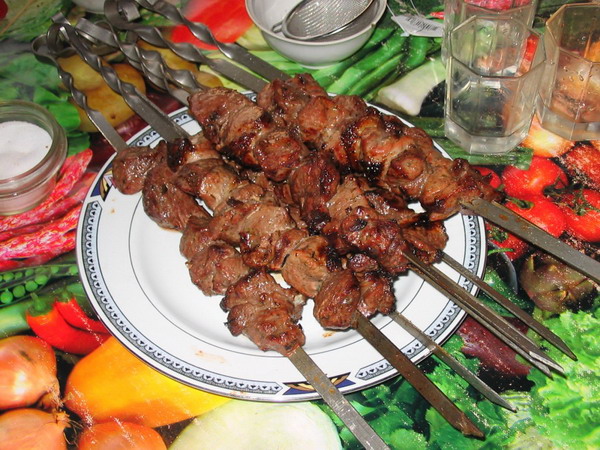
8. However, no matter what you call the dish, there is an essential condition: shashlik is the only and main dish on the table of the gathered company. There must be tomatoes and other vegetables, greens, cheese, spices, and dry wine. They only stimulate the appetite, not distract from it. And no salmon, caviar, 'Olivier' salad, or vinaigrettes!
As for strong alcoholic beverages, according to the rules, neither vodka nor fortified wines have a place on the festive table.
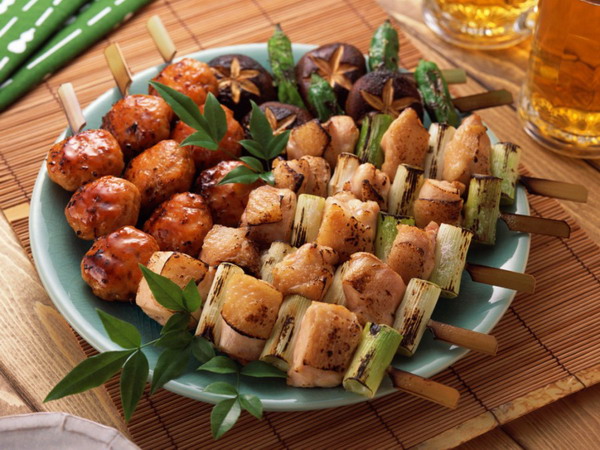
9. Any shashlik starts with the choice of meat. For our latitudes, pork neck is probably the most suitable. The best is with marbling. Carbonate or ham are not suitable because lean meat will be dry on the spit. The fat will provide the necessary juice, and the meat will simply melt in your mouth. For special gourmets, pork ribs can be recommended, which are cut into pairs.
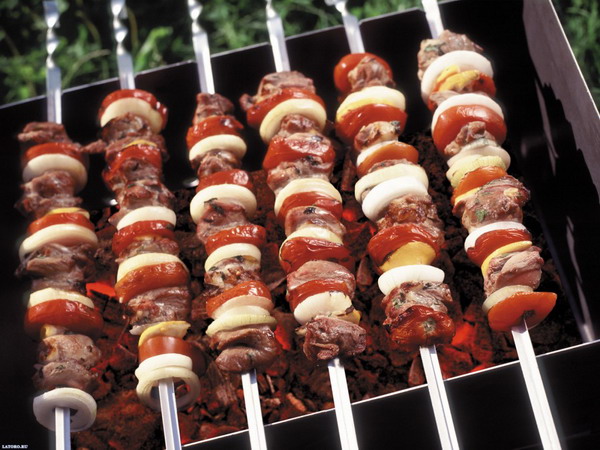
10. Currently, shashlik has become so popular in Ukraine that it can be considered a national dish and can be made from any meat. Lamb is good – no doubt about it! But for the meat to be juicy, you need a lot of tender cuts. And the lamb must be young. Chicken shashlik is also a worthy dish. You can use fillet, or you can chop a whole bird into small pieces. And one more tip: if you have doubts about the age of the meat, just take a good fatty piece for shashlik. The logic is simple. Fat melts quickly and saturates the meat like juice.
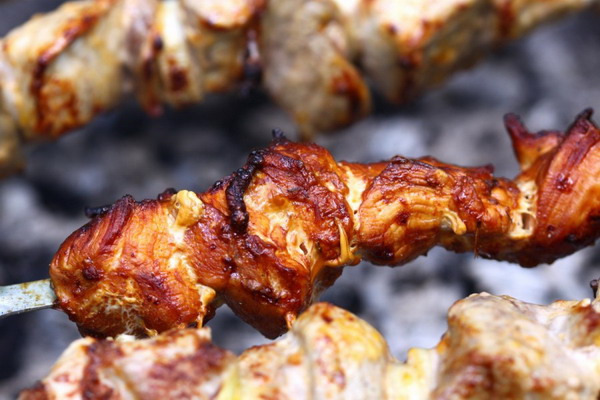
11. For each type of meat, a specific marinade should be used. The marinade can be made from buttermilk, kefir, tomato juice, lemon, onion, mayonnaise, herbs, adjika, carbonated mineral water... However, every chef has their own recipe that has been tried multiple times, appreciated, and considered the best.
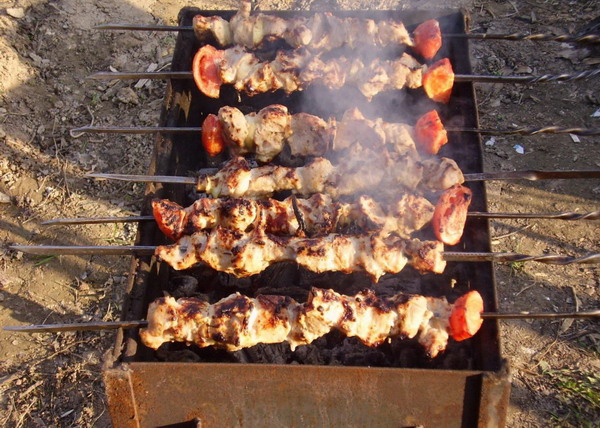
12. The classic version of the marinade is considered to be onion – not cut into large rings, as they are not very effective – but ground through a meat grinder and mixed with the meat, so that it is fully soaked in onion juice. Salt and pepper are added to taste. Then, the meat cut into rectangular pieces is mixed with real adjika, made only from tomatoes, peppers, and spices, and placed under a weight for several hours. Only after these procedures is it recommended to thread the meat onto skewers, placing them over the coals (but not over the fire!) at a height of 10-15 centimeters so that they form a solid 'roof of meat'. This gives you the effect of a barbecue grill. The pieces of meat should be tightly touching each other – then their edges will not burn.
How useful is the material?Evaluation helps us choose topics
00 ratings
Listening to the articleReading aloud
Left:minFinishedListenPauseResumeReading aloudPausedQuote copiedFocus mode onFocus mode offFont sizeNo voice for this language in your browser