One‑year result of the first phase of CRISPR therapy for dyslipidemia: stable effect and safety.
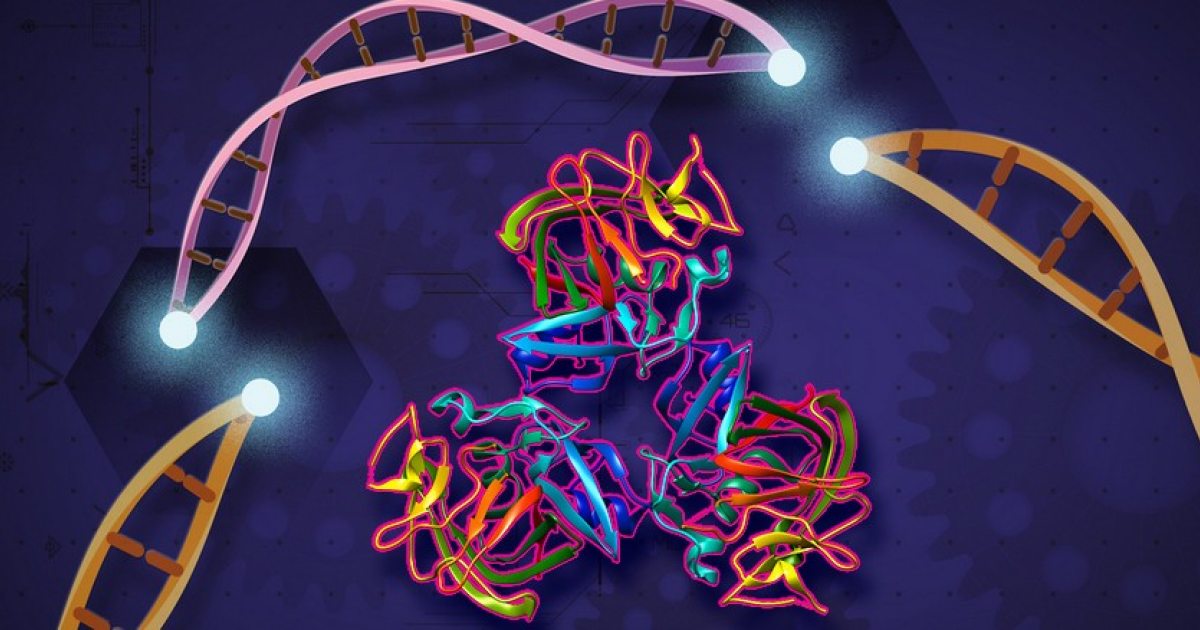
- The year-long observation after CRISPR therapy for dyslipidemia has been completed
- LDL cholesterol reduction is maintained at 45-55% from baseline
- No new serious side effects were identified over the year
- The results were published in The New England Journal of Medicine
As part of an international project involving scientists from the USA, Australia, and New Zealand, the first phase of a clinical study aimed at correcting the genetic form of dyslipidemia using the CRISPR-Cas9 genome editing system, administered directly into the patient's body, was conducted.
The participants in the trial were patients with a confirmed diagnosis of uncontrolled dyslipidemia, for whom traditional medications did not provide sufficient lipid level reduction. After a single administration of the genetic construct, researchers monitored the patients for 12 months, recording both biochemical indicators and clinical status.
Duration of effect
According to the results of one year of observation, the level of low-density lipoproteins (LDL cholesterol) in most participants decreased by 45–55% from baseline and remained consistently low throughout the period. Such indicators suggest the long-term activity of the edited gene responsible for the synthesis of the enzyme that regulates lipid metabolism.
The preservation of the effect is confirmed by regular laboratory tests, as well as the absence of the need for additional medication therapy to maintain the achieved results.
Safety of use
During the year of observation, no new serious adverse events related to the genome editing procedure were recorded. The only documented reactions were mild local reactions at the injection site, which resolved without intervention.
The absence of immune reactions to the Cas9 enzyme and the lack of signs of uncontrolled genome mutation confirm the high safety profile of the current version of the therapy.
The report published in The New England Journal of Medicine emphasizes that the data obtained pave the way for larger studies, including phase two and three, where it is planned to expand the patient group and assess long-term cardiovascular outcomes.
Earlier in 2022-2023, several small preclinical studies had already demonstrated the potential of CRISPR therapy to reduce LDL cholesterol levels in animal models. Current clinical experience confirms that the technology can transition from laboratory conditions to real treatment for people.
Experts note that a successful outcome of the first phase could be an important step in the fight against hereditary forms of dyslipidemia, which are one of the factors increasing the risk of cardiovascular diseases.
In the future, it is planned to study the possibility of combining CRISPR therapy with other treatment methods, as well as to assess its effectiveness in patients with various genetic mutations causing dyslipidemia.
Source: N+1