Subaru spends about $10,000 on each electric vehicle, but sales are falling
- Subaru spent $155 million on electric vehicle marketing in the quarter
- Average spending per EV exceeded $9,000
- Solterra sales fell by 34% to 5,275 units
- Toyota bZ, built on the same platform, grew by 90% in the U.S.
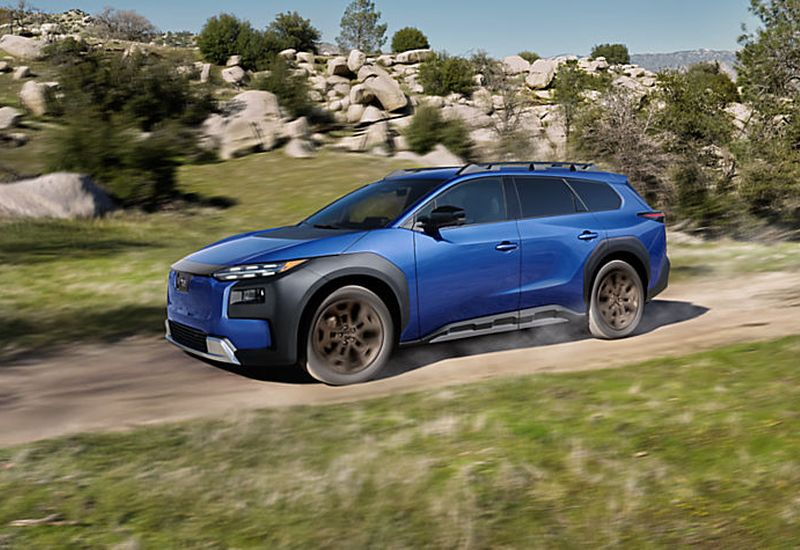
At the beginning of 2024, Subaru, in collaboration with Toyota, launched a series of electric vehicles built on a shared platform. The very first was the Subaru Solterra, whose sales in the first seven months of the year fell by 34% to 5,275 units. Against this backdrop, the company introduced two new models – Uncharted (2,850 units) and Trailseeker (3,513 units), which helped keep the overall volume of electric vehicle sales in the positive.
Marketing Expenses
In the last quarter, Subaru admitted to spending $155 million on advertising campaigns and discounts for its electric vehicles. On average, the marketing expenses per vehicle amounted to $2,698 – a 40% increase compared to the previous period. For electric vehicles, this figure was significantly higher: over $9,000 per unit, and in some cases, it reached up to $10,000.
Although Subaru spends less on marketing overall than its competitors (an average of $3,479 per vehicle), the growth rate of the company's expenses is outpacing industry trends. This acceleration in spending occurs against a backdrop of declining operating profit – which fell by 44% to $270 million.
Comparison with Toyota
It is worth noting that Toyota's electric vehicles built on the same platform demonstrate a different dynamic profile. The bZ model, sold in the USA, ranked fourth in the list of popular electric vehicles and increased its sales volume by 90% over the year. At the same time, Toyota's marketing costs per bZ decreased by 7.6% to $8,588, indicating a more efficient use of advertising budgets.
The situation with Subaru reflects the overall difficulty of new players entering the electric vehicle market in Japan and worldwide. High customer acquisition costs, the need to offer discounts, and competition with more established brands make the commercialization process of new models lengthy and financially burdensome.
Experts point out that to improve profitability, automakers will need to find a balance between pricing policy, marketing investments, and the development of charging station infrastructure. Meanwhile, Subaru continues to seek the optimal path to increase the share of electric vehicles in its model lineup.
Source: 3DNews