Study: regular coffee reduces total and visceral fat
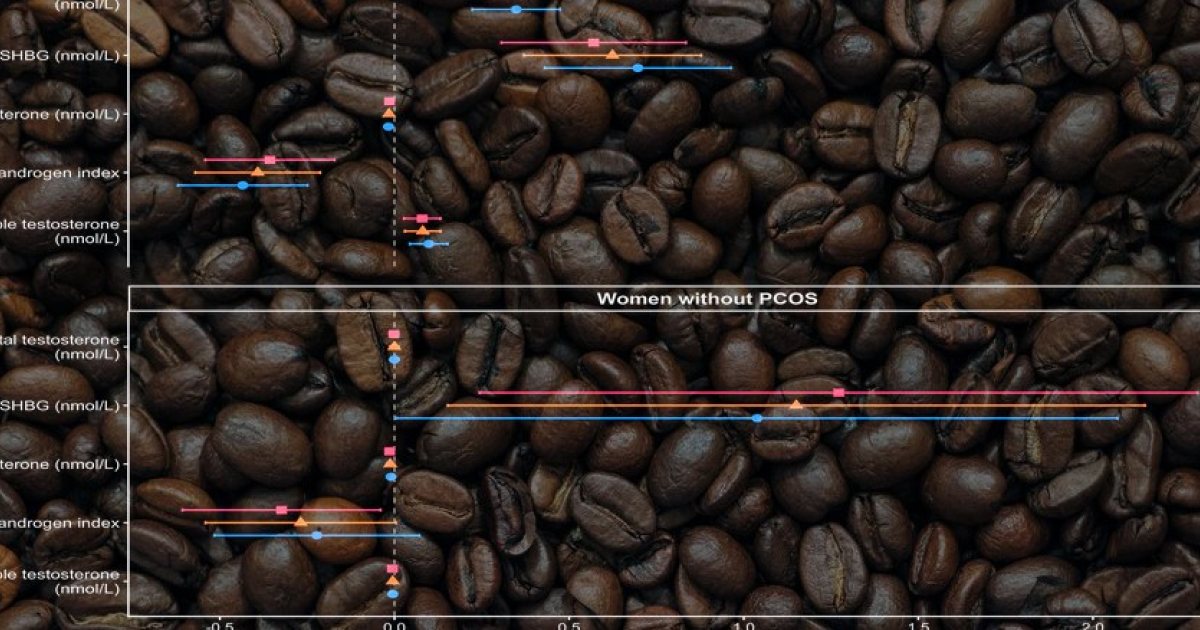
- Coffee is associated with lower overall and visceral fat.
- Improved metabolic indicators in coffee drinkers.
- Partial changes in sex hormones are observed.
- The study was published in the European Journal of Nutrition.
A cross-sectional observational study was conducted in a joint project by researchers from Finland and Poland, aimed at assessing the impact of daily coffee consumption on body composition and metabolism in adults.
The study participants represented a representative sample of the population, where dietary habits, physical activity levels, and, primarily, the amount of coffee consumed per day were recorded. Based on the data obtained, the scientists compared fat tissue indicators with the intensity of coffee consumption.
The results showed that people who regularly consume coffee have a lower overall fat level and, importantly, a reduction in visceral fat – the part of fat tissue that surrounds internal organs and increases the risk of cardiovascular diseases.
In addition, the analysis of metabolic markers revealed improvements in certain indicators, such as glucose and insulin levels, which may indicate a more stable carbohydrate metabolism in coffee consumers.
The study also recorded semi-specific changes in the profile of sex hormones. Although the exact hormonal fluctuations varied by gender, the overall trend indicated small but statistically significant deviations associated with coffee consumption.
Why this is important
Visceral fat is considered one of the key risk factors for the development of diabetes, hypertension, and atherosclerosis. Reducing its amount can significantly decrease the burden on the cardiovascular system and improve overall life expectancy.
Coffee has long been at the center of scientific discussions: some studies link it to increased endurance, while others point to potential health risks. New data adds another positive aspect to this picture – a possible reduction in fat mass with moderate consumption.
The authors emphasize that the results pertain to an observational study and do not prove a direct cause-and-effect relationship. Nevertheless, the conclusions may serve as a basis for further clinical trials aimed at exploring the role of coffee in the prevention of obesity and related diseases.
The article with a full description of the methodology and results is published in the European Journal of Nutrition, which confirms its scientific validity and paves the way for a deeper understanding of the impact of one of the world's most popular beverages on human health.
Source: N+1