Two new giant stick insect species discovered in Australia and a third reinstated
- Two new stick insect species identified in Australia
- A third species reinstated after decades of misclassification
- The species range from northern New South Wales to the tropical north
- The study highlights the importance of protecting vulnerable ecosystems
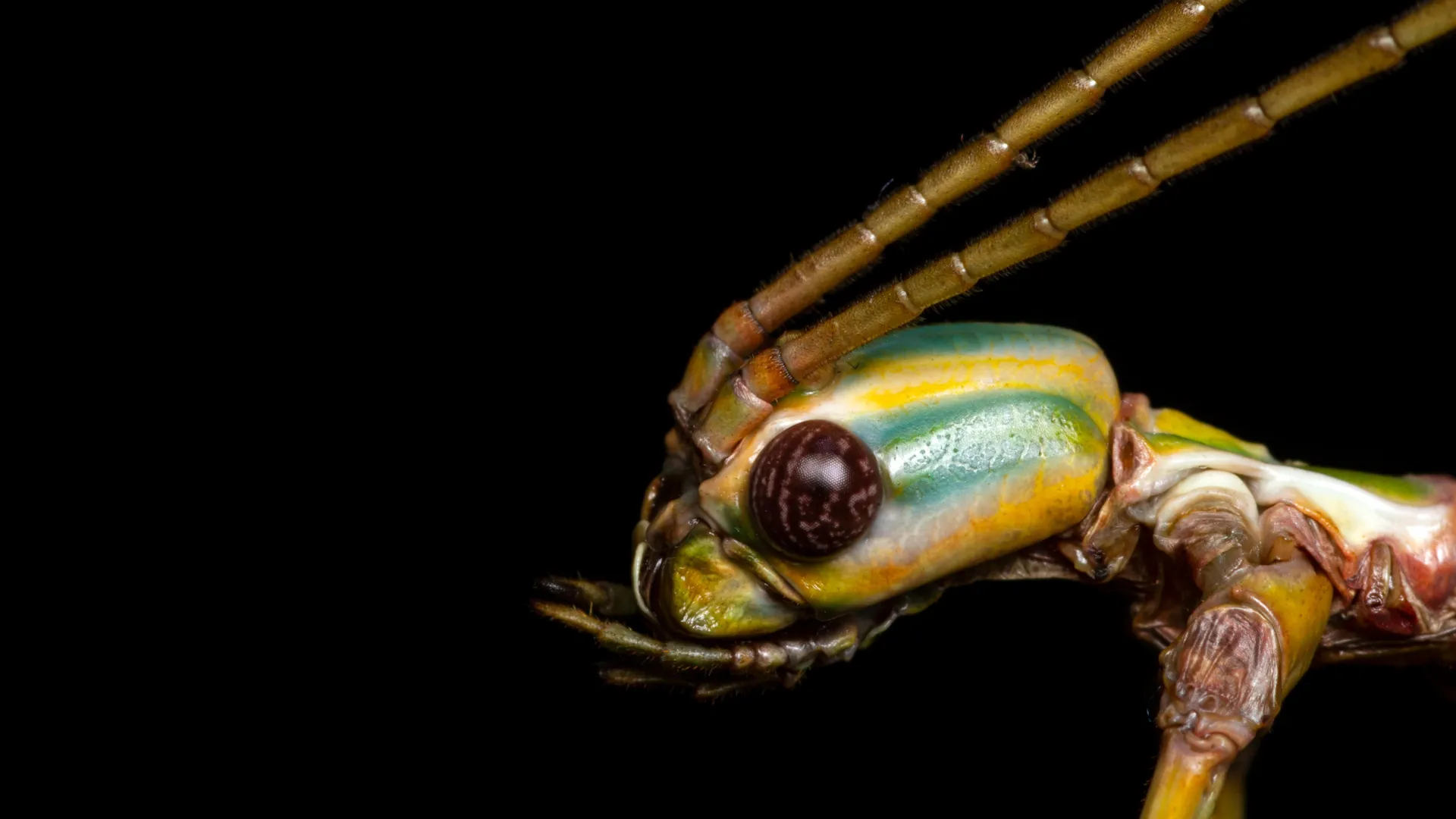
University of Sydney researchers reviewed Australian members of the stick insect genus Anchiale, identifying two previously undescribed species. They also reinstated a third species that had gone unrecognised in scientific classifications for decades.
Scientists previously believed that this region had only two species of Anchiale. The new findings distinguish five: two newly described species, one reinstated species and two previously known species whose classification was reassessed. Their combined range extends from northern New South Wales along coastal Queensland into tropical northern Australia.
Research Methods
The team combined DNA analysis with museum specimens, field expeditions, citizen science observations from iNaturalist and the Atlas of Living Australia, and studies of captive-reared specimens. This comprehensive approach helped establish the differences between populations.
One of the most surprising findings was the recognition of a distinct species, Anchiale robusta. This large stick insect had long been familiar to entomologists and enthusiasts, but had been assigned to another species until the recent research.
The new species Anchiale mabiensis was described from the critically endangered Mabi rainforest on Queensland's Atherton Tablelands. Its eggs have a distinctive lid structure not previously recorded in stick insects or their closest relatives.
The researchers also found that a familiar stick insect, sometimes reaching outbreak numbers and causing substantial forest damage, comprises several species. Distinguishing these taxonomic groups should help researchers understand and manage their effects on forestry and agriculture.
The study identified a potentially new taxon from Cape York. More specimens are needed for a formal description, although the available evidence suggests another undescribed species.
Significance of the findings
Lead author Dr Braxton Jones, a postdoctoral researcher in the University of Sydney's molecular ecology laboratory, noted that taxonomy often resembles detective work. Discoveries relevant to biodiversity conservation continue even in some of Australia's best-studied ecosystems. He said the findings underline the importance of protecting vulnerable habitats and documenting species before they disappear unrecognised.
The research received support from the Australian Biological Resources Study through a National Taxonomy Research Grant from the Department of Climate Change, Energy, the Environment and Water, and a CSIRO postgraduate scholarship.
Source: ScienceDaily
University of Sydney · 22.09.2026 · DOI: 10.1111/aen.70096