Bumblebees choose quercetin during a fungal attack: signs of social treatment
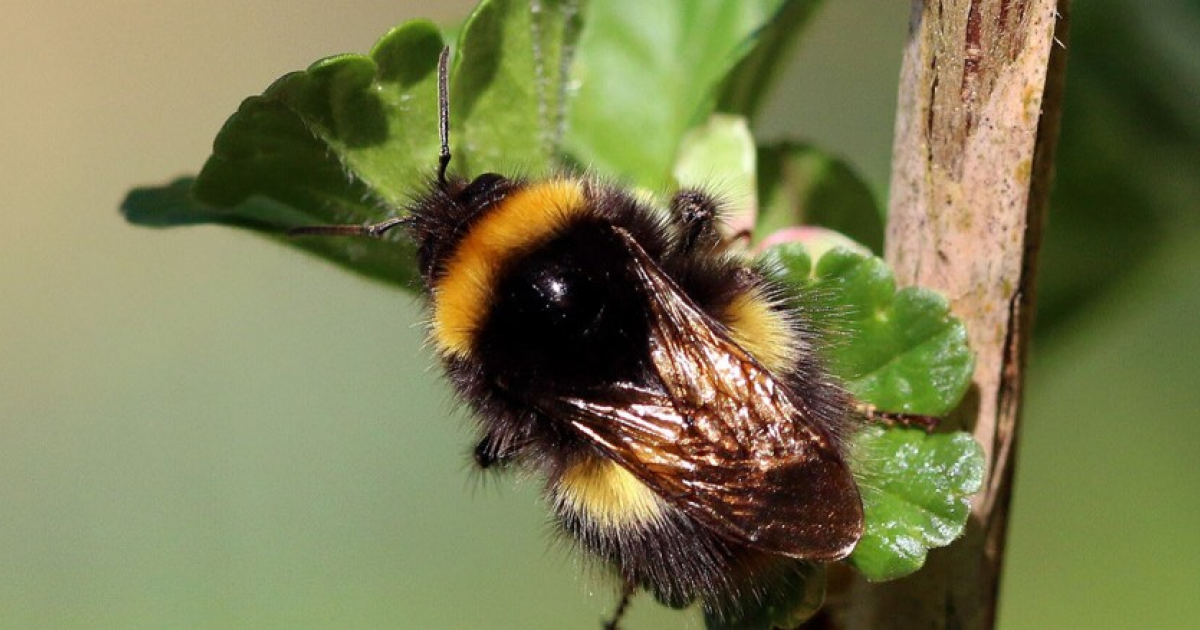
- Bumblebees prefer a solution with quercetin in case of fungal infection
- The behavior is interpreted as social treatment rather than individual self-medication
- Bacterial infection did not cause a similar choice of solution
Researchers from several European universities conducted an experiment to test the reaction of bumblebees (Bombus terrestris) to an artificially induced fungal infection. A pathogen, primarily dangerous to eggs and larvae, was introduced into the colony, while adult individuals remained relatively unaffected.
Choice of nutrient solution
During observations, it was found that foraging bumblebees began actively collecting a solution containing quercetin – a natural flavonoid known for its antimicrobial activity. The preference for the quercetin-containing solution was observed only in fungus-infected colonies; in control groups, bumblebees chose the regular nutrient solution without additives.
Quercetin, present in plants, can suppress the growth of various microbes, including some fungi. Scientists have suggested that bumblebees use it as a preventive measure to protect vulnerable eggs and larvae from a pathogen that was only harmful to the brood in the experiment.
Lack of response to bacterial infection
For comparison, a similar series of tests was conducted in the experiment with a bacterial infection affecting adult individuals. In this case, the bumblebees showed no inclination to choose the quercetin solution or other medicinal supplements. This difference indicates the absence of classical 'self-medication' in bumblebees in the case of bacterial infection and highlights the specificity of their behavior in the face of fungal threats.
The results of the study, published in the journal Royal Society Open Science, allow us to speak of the manifestation of so-called social medicine – when members of the colony collectively use substances that reduce the risk of pathogen spread, in the interest of more vulnerable members of society.
Similar forms of collective immunity have already been observed in other social insects: ants and bees have been noted to use resins, propolis, or even infected larvae as 'medicine'. However, in the case of bumblebees, a preference for quercetin has been recorded for the first time, which expands the understanding of the variety of means that insects use to protect their colony.
The practical significance of the discoveries lies in the fact that understanding the mechanisms of social treatment can contribute to the development of new biologically safe methods for combating pests and diseases of agricultural crops. If bumblebees are capable of recognizing and using natural antimicrobial compounds, then similar strategies can be applied in agricultural systems.
Thus, the experiment confirms that bumblebees are capable of purposefully using substances with antimicrobial properties in response to fungal threats, demonstrating a form of collective treatment rather than individual self-medication. This discovery enhances interest in studying social immunity in insects and its potential applications in biotechnology.
Source: N+1