A simple daily intake of fiber reduces pain from arthritis and improves strength
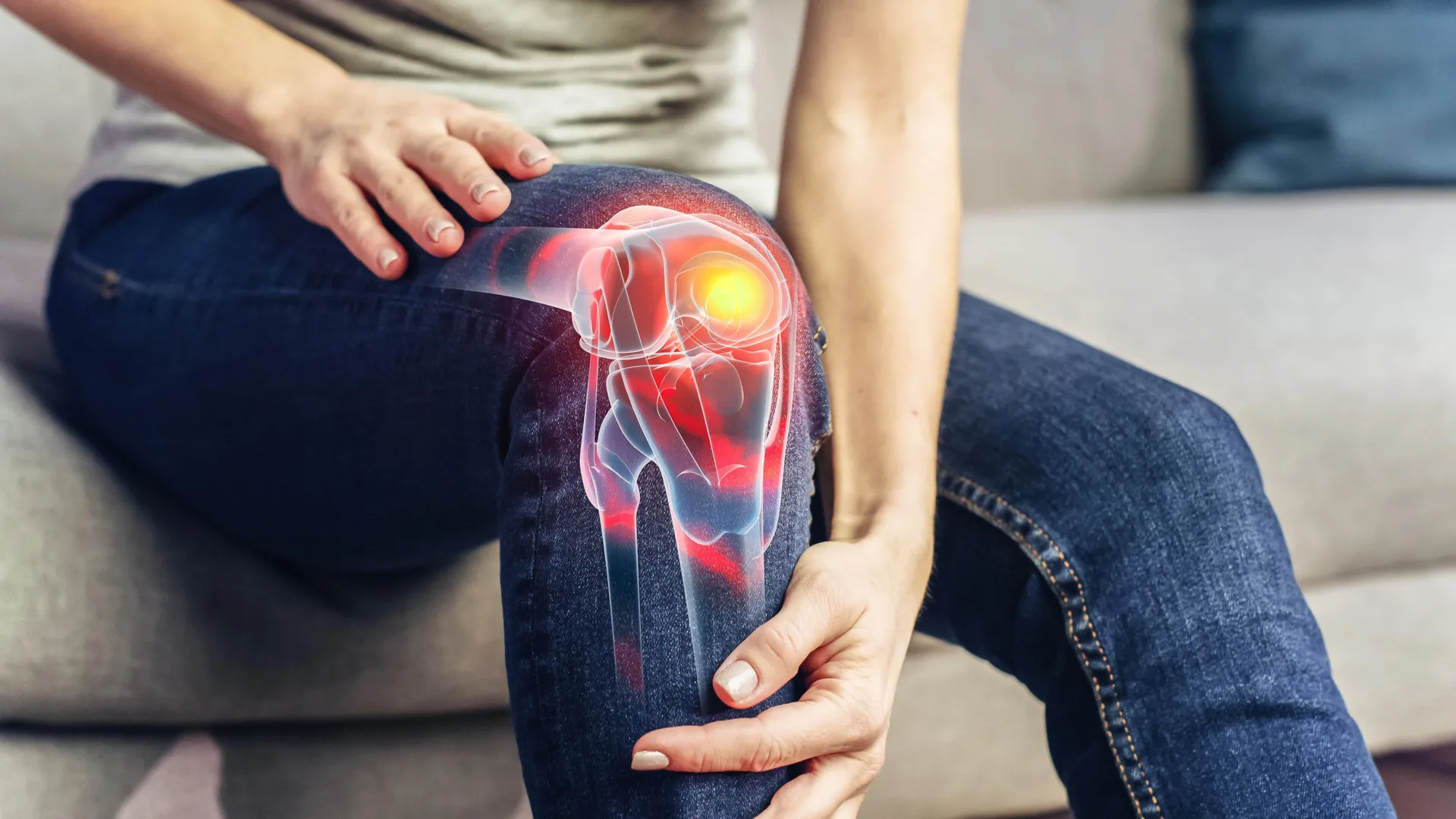
- Inulin fiber reduces pain from osteoarthritis
- Participants showed improvement in grip strength
- Prebiotics may influence gut health and pain perception
Inulin fiber as a new approach to treating osteoarthritis
A recent study conducted by scientists from the University of Nottingham showed that adding the prebiotic fiber inulin to the diet can significantly reduce pain in knee osteoarthritis and improve muscle strength. Participants who took inulin reported reduced pain and improved grip strength, which may have important implications for treating this common condition. Knee osteoarthritis affects hundreds of millions of people worldwide and is a leading cause of chronic pain and disability, especially among the elderly.
In a clinical trial published in the journal Nutrients, researchers found that only 3.6% of participants taking inulin dropped out of the study, while among those undergoing physical therapy, this figure was 21%. This suggests that adding fiber to the diet may be a more convenient and sustainable treatment method than traditional physical exercises, which can be challenging for people with chronic pain.
Dr. Aphrodite Kuraki, the lead author of the study, noted that a simple change in diet, such as adding fiber to breakfast or yogurt, can significantly reduce pain and improve physical function. This finding highlights the importance of gut health in managing osteoarthritis symptoms and may lead to new treatment strategies.
Study results and their significance
Inulin, a prebiotic fiber found in foods like chicory root and artichokes, is not digested in the small intestine but reaches the large intestine, where beneficial bacteria use it as food. Research shows that the gut microbiome affects not only digestion but also the immune system, as well as pain perception and muscle function.
During the fermentation of inulin, bacteria produce short-chain fatty acids (SCFAs), such as butyrate, which supports the integrity of the intestinal wall and may influence inflammation and pain-related mechanisms. Participants who took inulin showed increased levels of butyrate, indicating the supplement's impact on gut microbiome activity.
In addition, participants exhibited higher levels of glucagon-like peptide-1 (GLP-1), a hormone that regulates blood sugar levels and appetite, and is also associated with pain regulation and muscle health. Although inulin is not a GLP-1 drug, researchers studied whether supporting beneficial bacteria in the gut could influence the body's own production of this hormone.
Mechanisms of action of inulin
Interestingly, higher levels of GLP-1 were associated with better grip strength, which may indicate a link between changes in the digestive system and muscle function. This finding highlights the need for further research in this area to understand how the microbiome may influence muscle health and pain perception.
As part of the INSPIRE study, which lasted six weeks, 117 adults with knee osteoarthritis were randomly assigned to four groups: inulin only, physical therapy only, a combination of inulin and physical therapy, and placebo. This allowed researchers to assess the effects of the supplement and exercises separately, as well as determine whether their combination provides additional benefits.
Both methods, inulin and physical therapy, independently reduced knee pain, indicating that each approach provides significant symptom relief. However, the addition of inulin led to additional improvements that were not observed with physical therapy, including improved grip strength and reduced pain sensitivity.
Practical conclusions and further research
Reducing pain sensitivity is especially important for people with osteoarthritis, as persistent pain is not always explained by visible damage in the joint. Changes in how the nervous system processes pain may also contribute to discomfort, and the study results suggest that inulin may help with this.
Furthermore, the study revealed a significant difference in the number of participants who completed the assigned procedures. Only 3.6% of the inulin group dropped out, while the dropout rate in the physical therapy group was 21%. This highlights that adding fiber to the diet may be easier to incorporate into daily life than following a structured exercise program.
Thus, the results of the study open new horizons in the treatment of osteoarthritis, emphasizing the importance of gut health and the potential use of simple dietary supplements to improve the quality of life for patients. However, further research is needed for a deeper understanding of the mechanisms of action of inulin and its long-term effects on joint and muscle health.
Source: ScienceDaily