Avengers #1: Chip Zdarsky and Marco Checchetto’s Relaunch Gives the Team a Solid Foundation
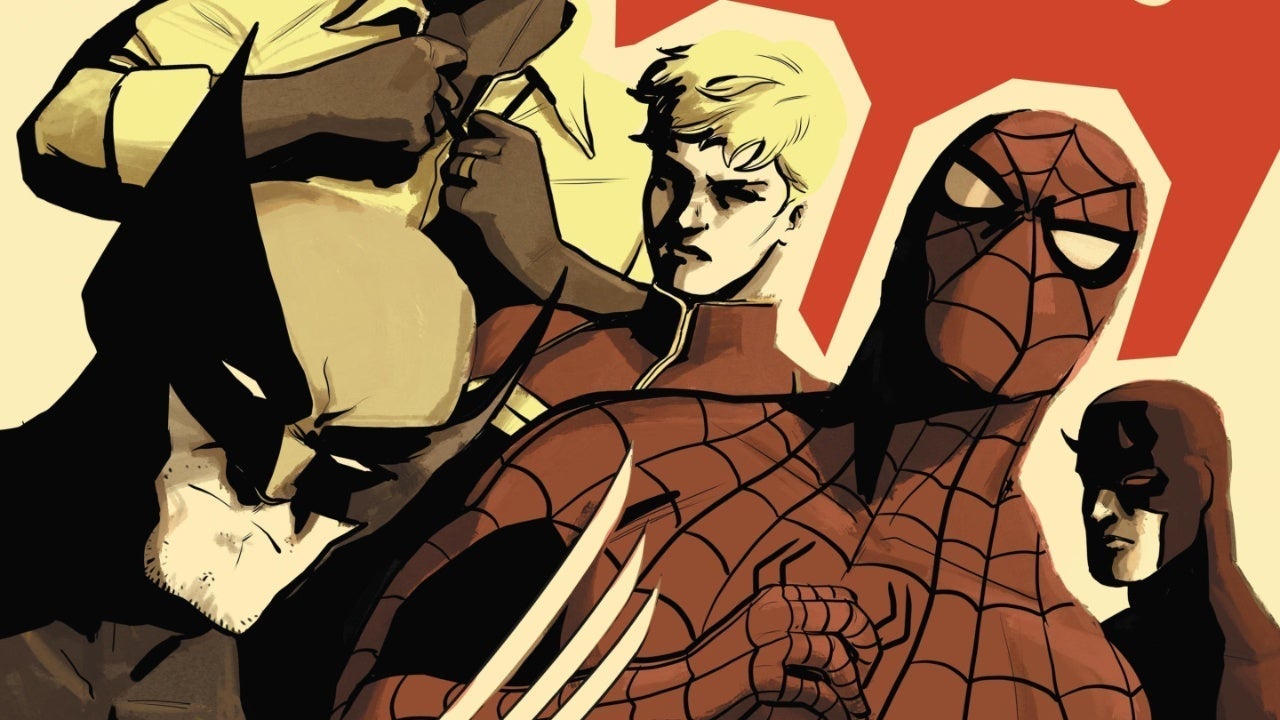
- A new team comes together after “Avengers: Armageddon” without a formal recruitment process
- Spider-Man becomes the issue’s moral center, while Captain Marvel adjusts to her diminished powers
- The review praises Checchetto’s artwork and the story’s integration into current Marvel continuity
A relaunch after “Avengers: Armageddon”
According to the review, Marvel’s flagship Avengers series has had a difficult time over the past decade. Even the work of notable writers Jason Aaron and Jed MacKay, the reviewer argues, failed to restore the appeal of the Brian Michael Bendis and Jonathan Hickman eras. The new launch therefore feels like more than a change in creative team: it’s an attempt to redefine what can make the series compelling to readers.
This time, Marvel has entrusted the series to writer Chip Zdarsky and artist Marco Checchetto. Their previous collaboration on “Daredevil” is described in the review as one of the best series about the character in the 21st century, so expectations for their new project are high. Still, the success of their previous work alone doesn’t guarantee that their approach will work just as well with the Avengers ensemble: the first issue has to show whether the creators can bring the strengths of their earlier collaboration to a different story.
The first concern is the lineup: it bears a striking resemblance to Bendis’s New Avengers, though it adds the recently introduced Wonder Man. That similarity could have come across as an attempt to quickly evoke nostalgia for a more successful era of the series. However, the review stresses that there’s a story-driven logic behind the character choices, and the execution is different enough that the issue doesn’t feel like a simple rehash of an old formula. The resemblance is there, but it doesn’t undermine the launch’s distinct identity.
A Team Brought Together by Circumstances
The story begins after the events of Avengers: Armageddon. The team’s former members have stepped away for various reasons, and when the world needs protection again, other heroes have to take their place. Among those filling the void are Spider-Man, Wolverine, Wonder Man, and a battered, brooding Captain Marvel. The new series establishes its premise right away: the familiar lineup is gone, and the team that comes next has yet to take shape.
As in 2004’s “New Avengers,” the heroes are brought together not by a prearranged recruitment plan, but by a chain of circumstances. This is an important parallel between the two stories, but it doesn’t prove that the new series is repeating the old one: in the current issue, the team emerges from the specific vacuum left by the departing members. The review considers this model a good fit for the franchise. It gives the writers a chance to show not only how the group comes together, but also why each hero happens to be there just when the world needs help again.
The first issue can’t fully explore all the team’s future relationships, but Zdarsky is already using the heroes’ differences to drive the scene. Rather than opening with a lengthy explanation of who works well with whom, the story begins building connections and highlights the different reactions to the Avengers’ absence. This pacing helps introduce the new group through its actions and interactions. Still, one issue isn’t enough to tell how long this sense of unity will last or which conflicts will shape the series going forward.
The characters set the emotional tone
The bond between Matt Murdock and Carol Danvers stands out in particular. The review notes that the writer doesn’t bring a ready-made formula from his previous work on Daredevil into the Avengers, but instead immediately focuses on Matt’s relationship with Captain Marvel. For Carol, this is also a time of adjustment: she’s trying to find her footing in a new world where her powers are only a shadow of what they once were. This blend of personal chemistry and changes in the heroine’s abilities makes their interaction one of the debut issue’s cornerstones.
This growing closeness also gives their relationship a noticeable romantic undertone: the reviewer jokingly suggests that readers interested in a Daredevil and Captain Marvel pairing may emerge after this issue. This is simply an impression of a dynamic just beginning to take shape, not confirmation that their relationship has already become the series’ central storyline. More importantly, the scenes with Matt and Carol help show how the characters are doing through their interactions with each other, rather than merely listing changes to the roster or explaining the aftermath of the events of “Armageddon”.
Spider-Man becomes the moral center of the story. He is especially troubled both by the Avengers’ absence and by society’s cool attitude toward superheroes at this moment. This isn’t Peter’s first time on a team, but the review describes the issue as a possible turning point: now he has to act in a situation where there’s no familiar group nearby to share the responsibility. Peter’s principle that power and responsibility are connected therefore rings more sharply—not as a familiar phrase, but as a demand for how to behave when there’s no one to step in for the hero.
The artwork and its place in Marvel’s broader continuity
The review gives the visuals especially high marks. Checchetto joins the new project after working with Hickman on *Ultimate Spider-Man* and, in the reviewer’s assessment, brings his strengths to this series. These include expressive figure work, elegant linework, and faces whose emotions come through without excessive explanation. The characters’ hair is singled out as a distinctive feature of the artist’s style. This praise is about the issue’s specific visual approach, not just the general impression made by a high-profile relaunch.
The scene composition also earns praise: the script alternates between intimate moments and large-scale action, and the artist handles both modes with confidence. Matt Wilson’s colors complement the artwork, creating what the review describes as a welcoming yet at times slightly unsettling mood. That balance matters in a first issue: it needs both to introduce readers to the characters and to convey the threat that brings the new team together in the first place. The review finds that the visual choices support both goals.
Finally, the issue ties into Marvel’s current storylines through Zdarsky’s recent work on “Armageddon” and “Captain America,” as well as the heroes’ current circumstances. The review points to Aunt May’s current situation in Spider-Man’s life as an example, but emphasizes that knowledge of other series isn’t a prerequisite for reading. This makes the universe feel more cohesive without turning the entry point to a new story into a test of familiarity with every connected issue. Whether this balance can be maintained going forward remains an open question.
Source: IGN