FDA approved the first fully automated blood‑draw system Aletti
- FDA has approved the robotic system Aletta for blood collection.
- The device fully automates the process from preparation to needle disposal.
- In clinical trials, the success rate of the first attempt is 95%, with hemolysis at 0.6%.
- Patient satisfaction was 98%.
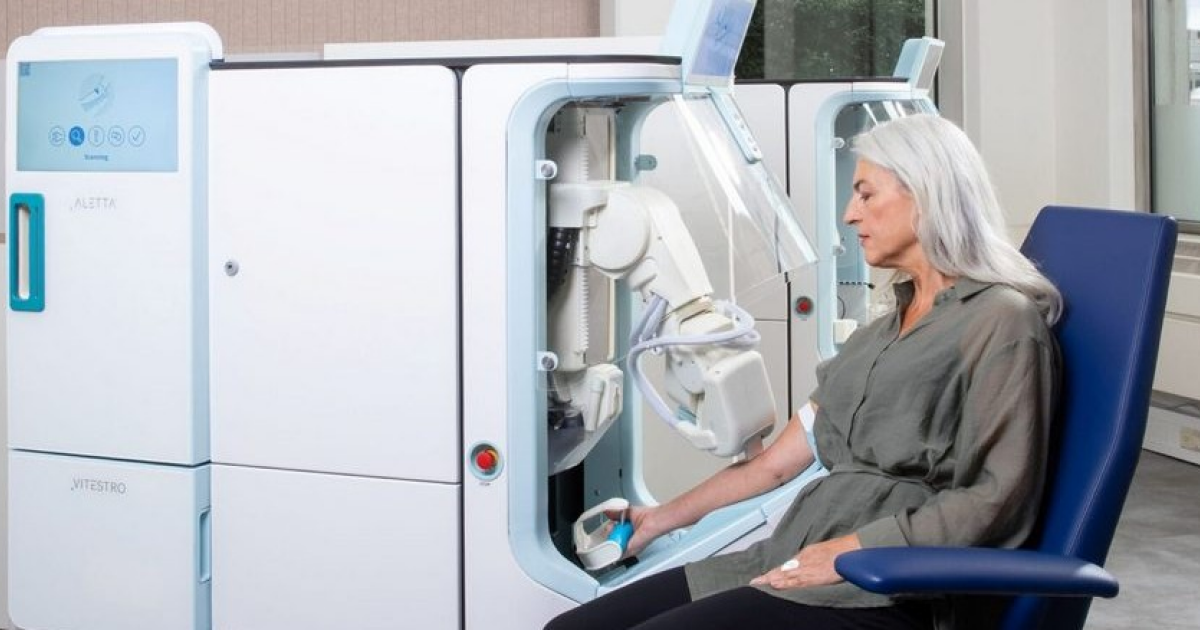
In a press release, the FDA announced the first-ever approval of a fully automated device for drawing blood from a vein. The Aletta robot performs the entire set of actions traditionally requiring the involvement of medical personnel.
The system begins with patient instruction, after which it automatically applies a tourniquet and disinfects the skin. To locate a suitable vessel, Aletta uses a combination of near-infrared spectroscopic analysis and ultrasound with Doppler imaging, allowing for precise identification of veins suitable for puncture.
If a suitable vein is not found, the device does not attempt venipuncture, thereby avoiding unnecessary injuries. Upon successfully locating a vein, the robot inserts the needle, collects blood, applies a bandage, disposes of the used needle, and replaces the tubes, preparing them for further analysis.
Clinical Trials
The effectiveness of Aletta is confirmed by ongoing clinical studies A.D.O.P.T., in which more than 600 patients have already participated. According to the trial results, the first attempt at blood collection was successful in 95% of cases – a rate that is comparable to traditional methods performed by humans.
The level of hemolyzed samples was only 0.6%, indicating the high quality of the obtained specimens. Patient satisfaction reached 98%, reflecting comfort and trust in the new approach.
The automation of the venipuncture process has several strategic advantages. It reduces the burden on medical staff, especially in conditions of increased demand for tests, and decreases the risk of errors related to human factors. Additionally, such systems can be particularly useful in epidemiological crises, when it is necessary to minimize contacts between patients and staff.
Previously, attempts to automate blood sampling were limited to individual stages – for example, automatic turnstiles or systems for processing samples. Aletta became the first to combine all stages into a single robot capable of operating without direct intervention from a specialist.
Experts note that the implementation of such technologies could change the standards of laboratory diagnostics, speeding up the process of obtaining results and increasing their reliability. However, further testing in various clinical conditions and adaptation to the diversity of patients' anatomical features will be required for widespread adoption.
Source: N+1