Meta will present the lightweight AR headset Project Phoenix and photorealistic avatars at Connect 2026
- Meta will showcase the AR headset Project Phoenix at Connect 2026
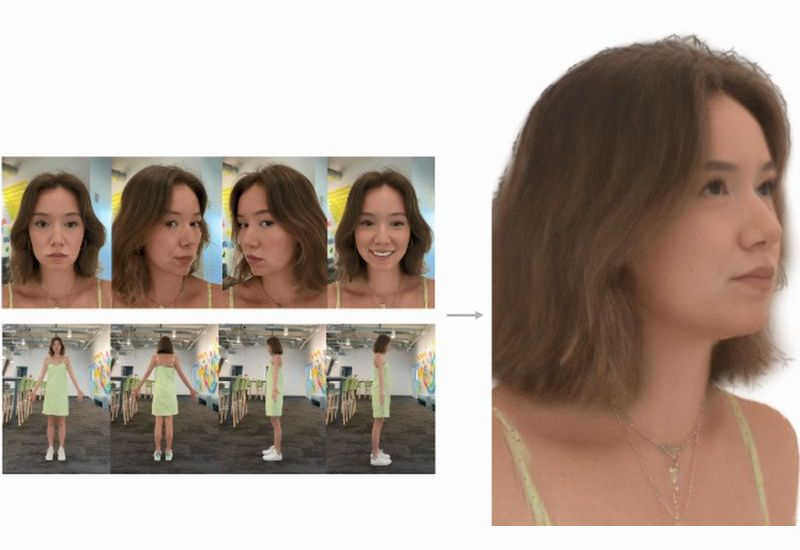
- Codec Avatars create photorealistic 3D avatars from several photos
- The headset will be lightweight, with a separate computing module
- The new features are focused on video communication and replacing large screens
Next week, as part of the Connect 2026 conference, Meta Platforms will unveil the results of years of research in augmented reality. The highlight will be the demonstration of Project Phoenix – a compact AR headset, positioned as a lighter version of the flagship Quest Pro. The device will come with a separate computing module, allowing for a balance between portability and performance.
Functional capabilities of Phoenix
Developers promise that Phoenix will be able to replace large wall screens, giving users the ability to watch movies and work with visual materials in the space around their head. Inside the company, the headset is referred to as 'virtual reality glasses', however, the final market positioning has not yet been announced.
A special emphasis is placed on integration with the new Codec Avatars technology. According to Chief Technology Officer Andrew Bosworth, the system is capable of generating fully three-dimensional avatars of the interlocutor in real time, reproducing facial expressions and gestures. To create an avatar, just a few photographs of the original are enough, and the process takes only a few seconds.
These capabilities have already undergone internal testing: this month, Mark Zuckerberg and Andrew Bosworth assessed the ability of Meta devices to conduct video calls with holographic avatars. At Connect 2026, a live hologram of Bosworth is planned to be showcased in real-time scale, which will serve as public confirmation of the technology's readiness.
The first public demonstration of Codec Avatars took place in the fall of 2023, when Zuckerberg's interview with Lex Fridman was moved into virtual reality. At that time, powerful computers and complex image capture systems were required to create avatars. Since then, Meta has significantly simplified the hardware requirements, allowing the use of lighter wearable devices.
The Horizon OS operating system is already introducing the term Hologram – a feature that allows for the instant generation of an animated avatar from a regular selfie. The user takes a picture, and the system automatically uploads the ready avatar into the video call interface, simplifying communication without the need for special cameras.
In addition to Phoenix, the company is preparing to introduce the Luna smart glasses without built-in cameras, which should alleviate privacy concerns. This option may become attractive to corporate clients and users who value privacy.
Source: 3DNews