Forecast: by 2100 the area burned by forest fires in Europe could triple
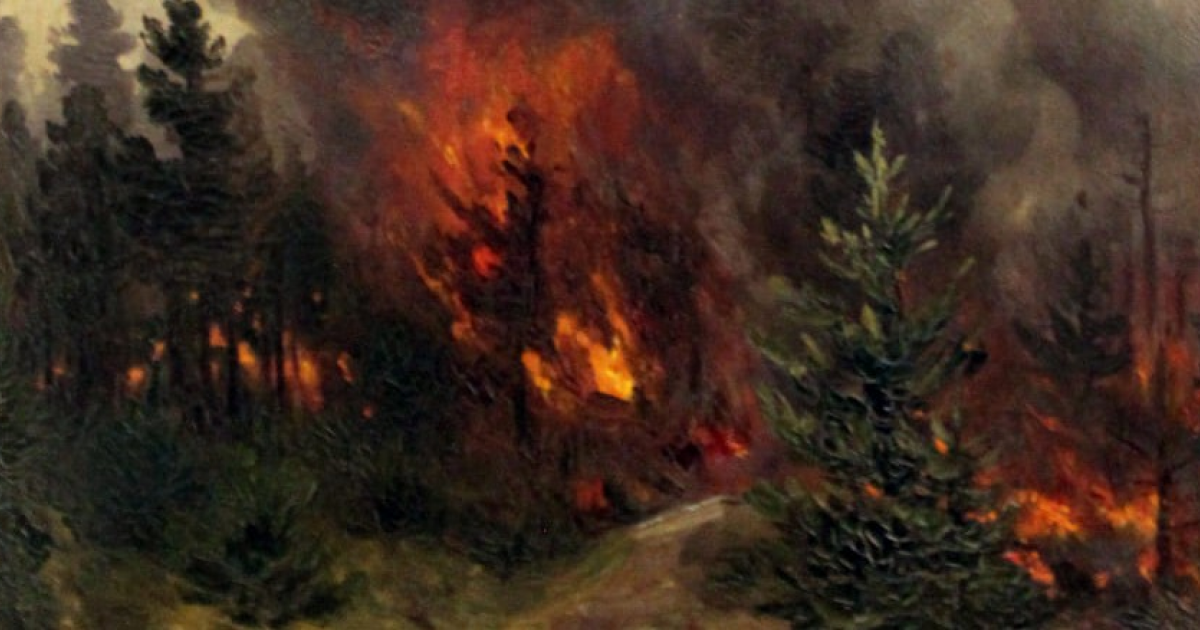
- With high emissions, the area of fires in Europe could reach 5.6 million hectares by 2100.
- Emission reductions will limit growth to 2.6 million hectares
- Severe weather reduces the effectiveness of firefighting and prevention
A recent study published in the journal Global Change Biology, assessed how the scale of wildfires in Europe will change during the period of 2070-2100. Scientists used climate models that take into account various scenarios of greenhouse gas emissions, as well as forecasts of temperature and precipitation changes.
High emissions scenario
If global emissions continue to rise along current trends, the average annual area burned could increase from the current approximately 1.8 million hectares to 5.6 million hectares. This would nearly triple the area at risk of burning and create serious risks for forests, agriculture, and populated areas.
Researchers emphasize that the intensification of extreme weather conditions – prolonged droughts, rising temperatures, and stronger winds – will reduce the effectiveness of traditional fire prevention, detection, and suppression measures. As a result, even with a significant increase in resources, firefighting may become less effective.
Limited emissions scenario
However, if the global community manages to reduce greenhouse gas emissions in line with the goals of the Paris Agreement, the growth of burned areas will be much less dramatic. According to scientists' estimates, in this case, the annual burned area could reach only 2.6 million hectares, which is almost one and a half times the current figures, but significantly lower than the forecast under high emissions.
These figures highlight how significantly climate change can affect the frequency and scale of wildfires. In recent decades, Europe has already seen an increase in the number of large fires, especially in the Mediterranean region, where summer temperatures regularly exceed 35 °C, and precipitation becomes increasingly rare.
The increase in the area burned brings not only ecological but also economic losses: destruction of forest resources, soil degradation, worsening air quality, and rising costs for emergency services. Additionally, fires contribute to further CO₂ emissions, creating a feedback loop that intensifies climate impact.
The authors of the study conclude that the only reliable way to limit future growth in the area of fires is global reduction of greenhouse gas emissions. At the same time, adaptive strategies need to be developed – improving early warning systems, modernizing firefighting techniques, and strengthening forest ecosystems to enhance their resilience to fire.
Source: N+1