The first confirmed case of a human infected with the Oya virus
- The first confirmed case of Oya virus infection in humans
- The patient has severe hepatitis, enteritis, and coagulopathy
- The virus was previously considered non-pathogenic for humans
- The case was published in The New England Journal of Medicine
In March 2024, a team of researchers from China presented a unique clinical case to the international medical community, confirming the ability of the Oya virus to cause severe disease in humans. This is reported in an article published in the journal The New England Journal of Medicine, which describes in detail the clinical manifestations, laboratory data, and diagnostic methods.
Clinical picture
A 34-year-old female patient presented with acute hepatitis accompanied by severe jaundice, as well as enteritis manifested by diarrhea and abdominal pain. Over the course of several days, she developed coagulopathy – a blood clotting disorder, which led to bleeding from mucous membranes. The patient's condition required intensive therapy, including plasma transfusion and maintenance of liver function.
All standard bacteriological and viral tests (hepatitis A-E, hepatitis B, C, D, as well as known noroviruses) returned negative results. To identify the unknown pathogen, sequencing analysis of blood samples and liver biopsy was performed, which revealed genetic material identified as the Oya virus.
Confirmation of pathogenicity
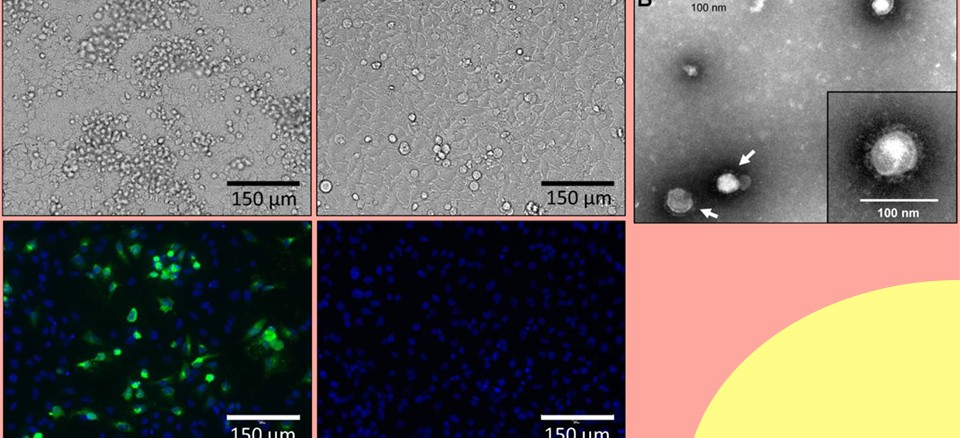
The Oya virus, previously known in the scientific literature as an orthonovirus, was found in rodents in several regions of Asia; however, there was no data on its ability to infect humans. In this case, researchers were able to isolate the virus from the patient's blood and also demonstrate its replication in cell cultures, confirming active infection.
Serological tests specifically developed for this study showed the presence of specific IgM antibodies to the Oya virus, indicating recent infection. A combined analysis of clinical and laboratory data allowed establishing a causal link between the detected virus and the disease manifested in the patient.
The significance of the discovery
This case changes the perception of the spectrum of threats posed by orthonoviruses, traditionally considered pathogens that primarily affect rodents and sometimes cause mild forms of disease in humans. The emergence of severe forms of hepatitis, enteritis, and coagulopathy in a healthy adult woman indicates a potentially high level of virulence of the Oya virus.
In light of the growing number of zoonotic infection cases related to climate change and the expansion of vector ranges, this finding underscores the need for enhanced epidemiological surveillance in regions where the virus has previously been detected in animals.
Prospects and Recommendations
Experts recommend including Oya in the test panel when diagnosing acute hepatitis of unknown origin, especially in East Asian countries. Additional studies are needed to assess the prevalence of the virus among the population and animals, as well as to develop specific vaccines or antiviral drugs.
So far, the information is limited to a single case, but publication in a reputable medical journal will accelerate data exchange between clinical and research centers, facilitating a quicker response to potential outbreaks.
Source: N+1