The return of tanks to the battlefield: new tactics of Ukraine
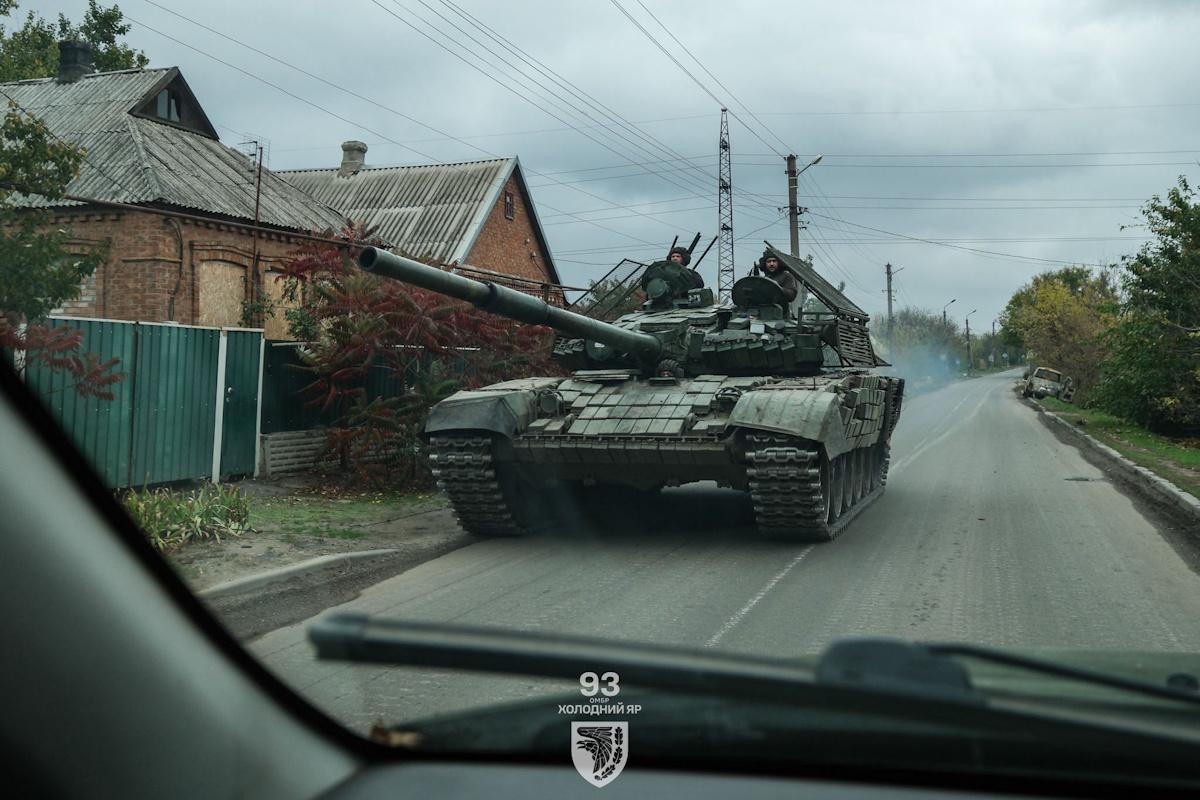
- Ukraine is once again using tanks in the offensive
- The new tactic includes drones for protection
- Effectiveness depends on air control
The return of tanks to the battlefield: new tactics of Ukraine
With the onset of Russia's full-scale invasion, tanks played a key role in the Ukrainian army. However, with the growing threat from strike drones, the use of armored vehicles has become limited. Now, Ukrainian forces are adapting their tactics to reintroduce tanks into offensive operations. This is due to the necessity of conducting mechanized maneuvers despite the constant attacks from enemy drones.
According to Forbes, Ukrainian forces have begun using a new tactic that combines tanks and infantry fighting vehicles with accompanying drones. This allows them to conduct limited mechanized maneuvers while maintaining protection against drone attacks. Video footage published by military bloggers shows how tanks and Bradley IFVs operate under attacks from Russian drones while continuing to engage targets.
One example of the new tactics is the use of FPV drones that intercept enemy drones. In one video, a Ukrainian drone successfully destroys a Russian FPV drone before it reaches the armored vehicles. This highlights the importance of drones in modern warfare and their role in protecting armored vehicles.
New tank usage tactics
Additional protection for tanks is provided by the so-called "Ezhakova" armor, which consists of a structure made of metal rods protruding beyond the vehicle's hull. This armor is designed to ensure that drones detonate at a distance from the main armor, reducing the risk of damage. In the video, a Bradley BMP is hit by a drone but continues to move, indicating its resilience to attacks.
The tactic of using small groups of armored vehicles, consisting of two to three units, allows for easier air cover. It also reduces the likelihood of detection of larger columns, which are more susceptible to attack. However, this strategy has its vulnerabilities, as gaps in coverage may arise when intercepting enemy drones, making armored vehicles vulnerable.
In addition, Vampire drones need to periodically return to replenish their ammunition and recharge their batteries, which can reduce their effectiveness in combat. Additional armor does not guarantee complete safety, as repeated strikes can incapacitate the vehicle. This underscores the need for constant improvement in tactics and protection technologies.
Combination of armored vehicles and drones
The return of tanks to the battlefield occurs against the backdrop of successful counteroffensives by Ukrainian forces in several areas of the front, including the Kharkiv and Donetsk regions. Tanks can help destroy fortified enemy positions with direct fire, while drones provide reconnaissance and cover. However, turning local successes into large-scale breakthroughs remains a challenging task.
The effectiveness of armored operations will depend on which side can achieve local air superiority using drones. This creates a new dynamic in the conflict, where control of the air becomes critically important for the success of ground operations. Russia may also adapt Ukrainian tactics, which will intensify competition in the development of armored vehicle protection measures.
In addition to new tactics, Ukrainian forces continue to develop other technologies. For example, the first medical drone StarGate has recently been introduced, designed for the evacuation of the wounded from the battlefield. This device can carry up to 150 kg and has a flight range of 15 km, making it a potentially revolutionary means of saving lives.
Problems and challenges on the battlefield
The StarGate drone is equipped with artificial intelligence systems, allowing it to operate without GPS. This can significantly enhance its effectiveness in combat conditions where GPS signals may be unavailable or jammed. However, military officials emphasize that time is needed to verify its effectiveness in real-world conditions.
Thus, Ukraine continues to adapt to the changing conditions of war by implementing new technologies and tactics. The return of tanks to the battlefield and the use of drones for their protection demonstrate the Ukrainian forces' commitment to innovation and improving their capabilities. However, challenges related to threats from drones remain relevant.
Ultimately, the success of Ukrainian military operations will depend on the ability to effectively integrate new technologies and tactics into their actions. Competition in the field of drones and protective measures will continue, and both sides will strive to gain an advantage on the battlefield.
Source: UNIAN