Ecological disaster in the Black Sea: consequences of the war for dolphins and the ecosystem
- Mass dolphin deaths in the Black Sea due to the war
- The impact of explosions and military actions on the ecosystem
- Long-term consequences for dolphin population recovery
Ecological disaster in the Black Sea
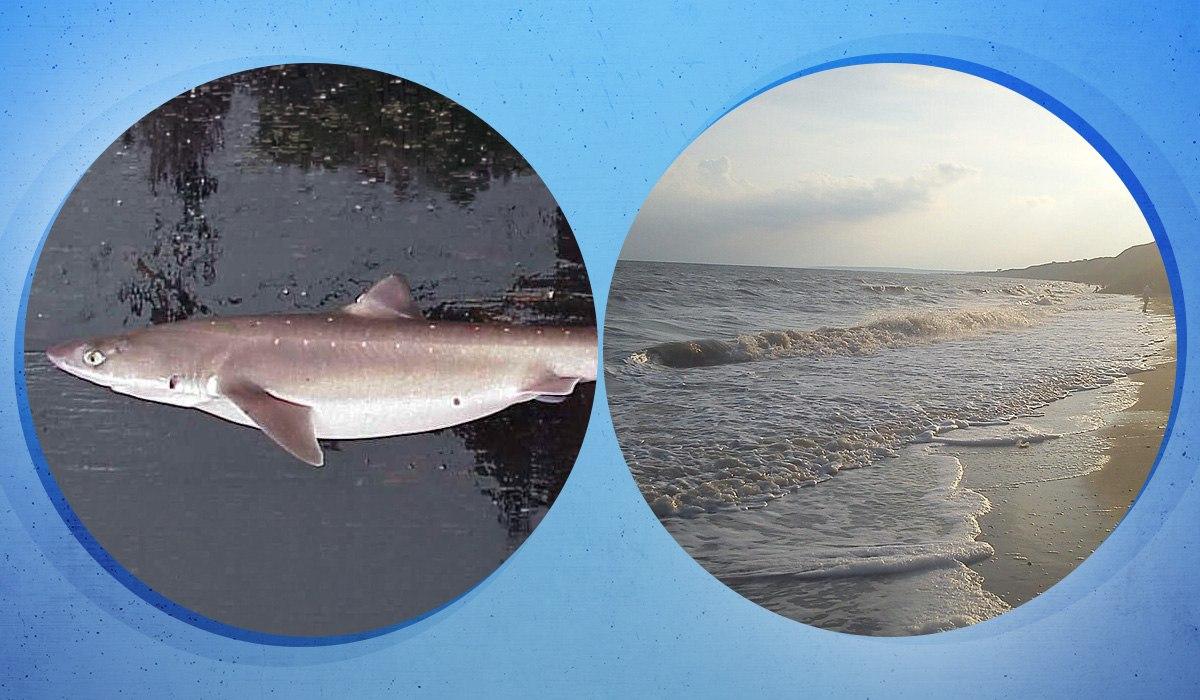
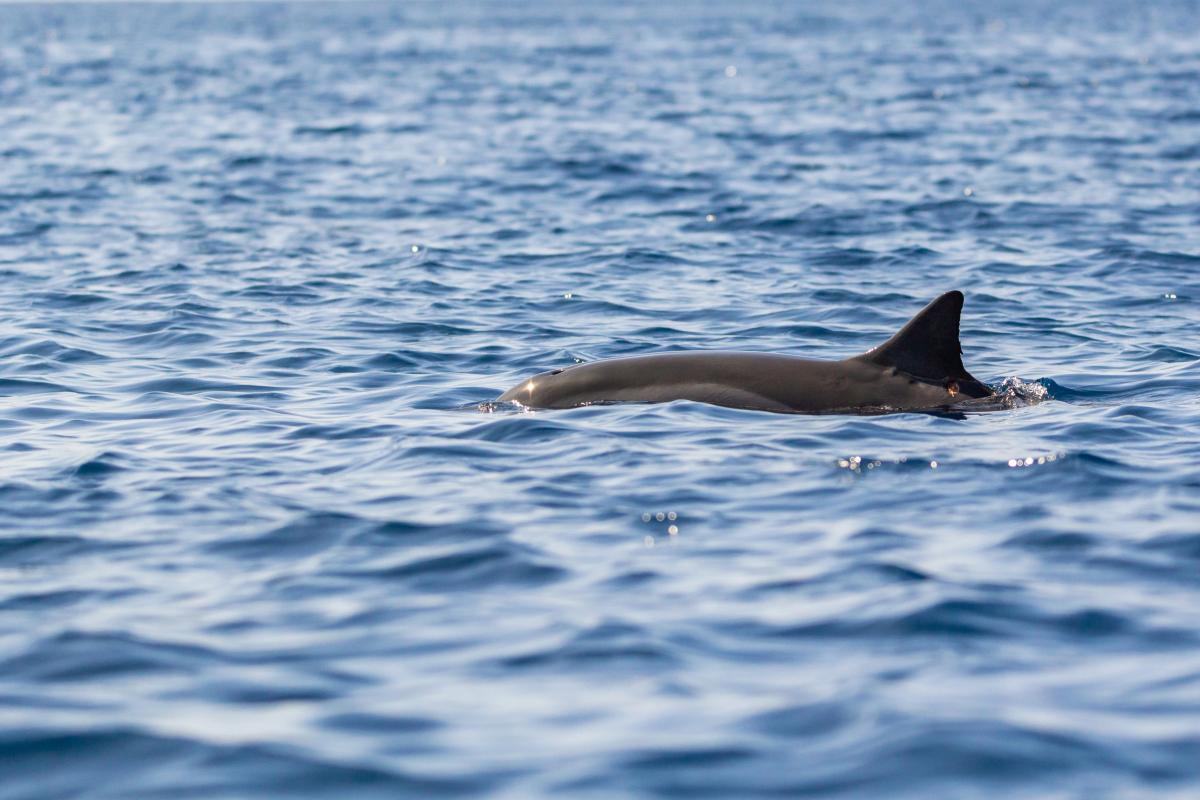
In recent years, the Black Sea has become a stage for an ecological disaster caused by the full-scale war in Ukraine. According to Ivan Rusev, the chief researcher at the Tuzlivski Lymany National Nature Park, the number of dead dolphins has increased hundreds of times compared to the pre-invasive period. In 2022, he estimates that about 50,000 dolphins died, and by 2026 this figure could exceed 120,000. This means that one in four cetaceans in the Black Sea may die.
The main cause of the mass dolphin deaths, according to Rusev, is the impact of explosions, missile launches, and military sonar operations. These factors disrupt the dolphins' echolocation, making it difficult for them to hunt and communicate. As a result, dolphins lose the ability to obtain food, leading to their exhaustion and ultimately death from infections caused by the morbillivirus. This underscores the importance of understanding how military actions affect marine fauna.
Moreover, Rusev notes that the sunken ships, including Russian military vessels, also harm the ecosystem. These ships contain toxic substances that pollute the water and threaten the lives of marine organisms. Oil slicks forming on the water's surface kill mollusks and fish, further exacerbating the situation for dolphins that rely on these food sources.
Mass dolphin deaths and their causes
The ecological situation in the Black Sea is deteriorating not only due to dolphin deaths. In 2023, the explosion of the Kakhovka Hydroelectric Power Station led to the discharge of polluted water into the sea, adding another level of threat to the marine ecosystem. Water containing fertilizers, heavy metals, and machine oil enters the sea, negatively affecting the health of all marine organisms. This underscores the need for a comprehensive approach to addressing ecological issues in the region.
Dolphin mortality is recorded not only in Ukraine but also in neighboring countries such as Bulgaria, Romania, and Turkey. However, it can be difficult to establish the exact causes of animal deaths, as many of them are washed ashore already in a highly decomposed state. Ecologists from Bulgaria confirm that military sonars have a negative impact on cetaceans, disrupting their hearing and echolocation, which leads to their death.
While Ukrainian ecologists point to the impact of the war, Russian specialists explain dolphin deaths by parasites and viral infections, without providing detailed information. This highlights the difference in approaches to researching and understanding the ecological issues related to the conflict. Dead fauna also causes fear among people, which further emphasizes the importance of public awareness of the ecological consequences of war.
The impact of war on the Black Sea ecosystem
The situation with dolphins also affects migratory birds, which suffer from explosions and military actions. Stressed birds may not reach their wintering or nesting sites. For example, flamingos that have started nesting in the park abandon their clutches, leading to a loss of offspring. This is another example of how war affects the Black Sea ecosystem and its inhabitants.
Despite the negative consequences of war, Rusev notes that there is an increase in the population of some animal species on land, such as wild boars and foxes, due to the cessation of hunting. This could lead to the recovery of populations of small mammals and insects in the future. However, the situation with dolphins is much more complicated, and their recovery will take decades.
According to Rusev's estimates, it will take 30 to 50 years for the dolphin population to recover and for the marine ecosystem to return to a more or less normal state. This underscores the need for measures to protect marine fauna and the ecosystem as a whole. It is important for the international community to recognize the scale of the problem and begin to take action to address it.
Long-term consequences and ecosystem recovery
The Black Sea has become one of the most dangerous maritime routes in the world. According to the Financial Times, more than 570 vessels have been attacked this year, resulting in the deaths of 40 sailors. This is more than in the Persian Gulf, highlighting the seriousness of the situation. From July to September, the number of attacks on vessels increased fivefold compared to the previous quarter, raising serious concerns.
In the context of the ongoing conflict, it is important not only to protect people but also to care for the marine ecosystem. Strategies need to be developed to minimize the damage caused by the war and to restore populations of dolphins and other marine organisms. This requires joint efforts from scientists, ecologists, and governments of the region's countries.
In conclusion, the ecological disaster in the Black Sea is a result of not only the war but also human activity in general. Urgent measures are needed to protect marine fauna and restore the ecosystem to prevent further degradation and ensure a sustainable future for the Black Sea and its inhabitants.
Source: UNIAN