Health risks from prolonged indoor stay
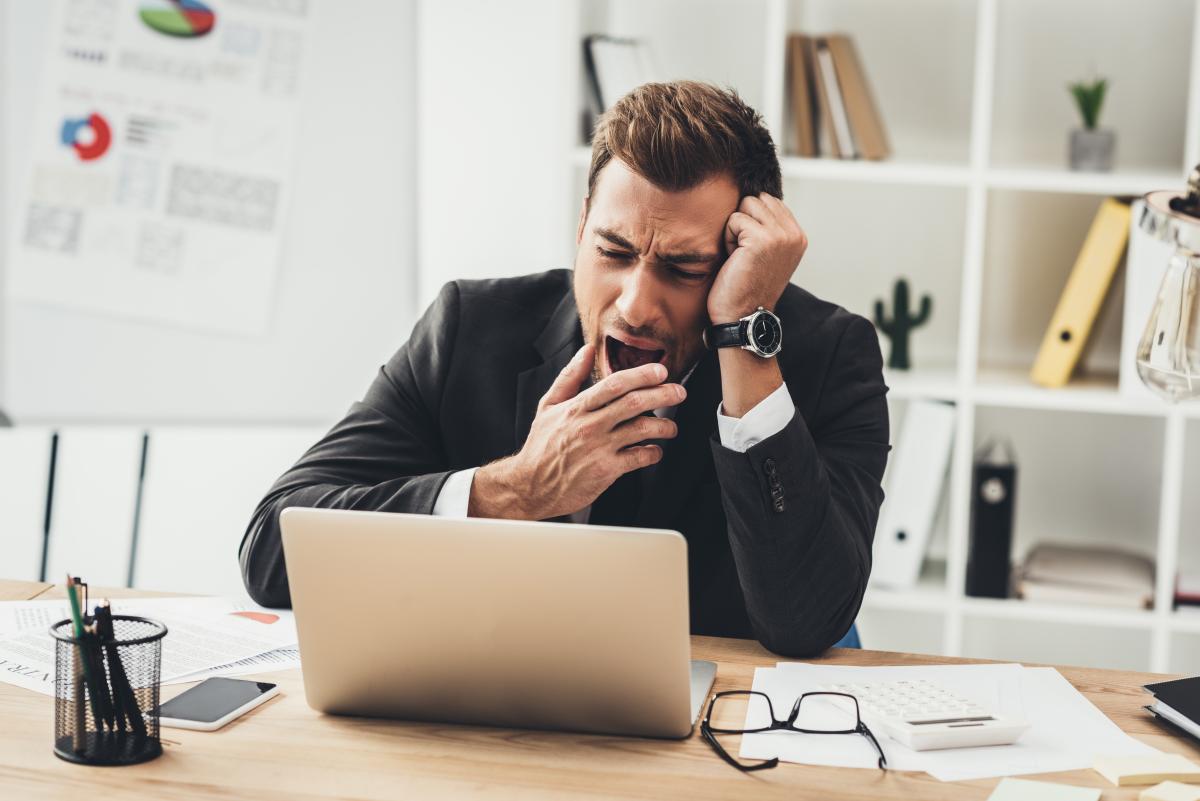
- Prolonged indoor stay increases health risks
- Bright light outdoors helps synchronize biological clocks
- Lack of fresh air worsens cognitive functions
Health risks from prolonged indoor stay
According to studies, most people spend about 93% of their lives indoors, leading to what is called a "hidden health tax." Medical expert John La Puma emphasizes in his book "The Indoor Epidemic" that this can negatively affect overall health. He notes that many people are unaware that their well-being can be significantly worse due to a lack of sunlight and excessive time spent in front of screens.
La Puma highlights four main health risks associated with prolonged indoor stays. One of them is the disruption of circadian rhythms, which can lead to sleep problems and increased stress levels. Bright outdoor light serves as a powerful signal for resetting the body's internal biological clock, which is especially important for maintaining a normal sleep-wake cycle.
The expert recommends spending at least 10 minutes outdoors during the first hour after waking up to help the body synchronize its biological clock. This can contribute to a natural increase in melatonin levels in the evening, which in turn improves sleep quality and overall well-being.
Impact on circadian rhythms and stress levels
Another important aspect is the impact on cognitive functions. La Puma points out that prolonged indoor stays can lead to 'screen overload,' as people often use the same devices for work and leisure. This can cause feelings of fatigue and mental fog, especially in poorly ventilated spaces where carbon dioxide levels can exceed 1000 parts per million.
The lack of fresh air and light can negatively affect cognitive abilities. Research shows that elevated levels of CO₂ indoors may be linked to decreased mental activity. La Puma emphasizes that these are not just random errors, but biological reasons that need to be taken into account.
To combat burnout and improve well-being, La Puma recommends taking breaks every hour by stepping to the window and looking outside for a minute. This helps relax the eyes and muscles, reduce headaches, and increase energy levels. Simple actions, such as going outside during the workday, can significantly improve overall condition.
Problems with cognitive functions and physical condition
La Puma also notes that the lack of a horizon in spaces where people cannot see beyond 6 meters can negatively affect mental state. "Your eyes need distance, just as your lungs need air," he says, emphasizing the importance of visual variety for health.
In addition, synchronizing biological clocks is important for normal cortisol levels, which is often referred to as the stress hormone. La Puma claims that cortisol levels should rise and fall throughout the day, and its imbalance can lead to increased fat deposits in the abdominal area.
Research shows that the right time and place for exposure to daylight can contribute to improved metabolism. La Puma emphasizes that morning light is necessary to increase cortisol levels, which helps to feel alert throughout the day.
Recommendations for improving health and well-being
In conclusion, it is important to be aware of the risks associated with prolonged indoor stays and to take steps to minimize them. This may include regular breaks, getting fresh air, and using natural light to maintain health and well-being.
La Puma also mentions that simple lifestyle changes can significantly improve quality of life. For example, increasing the time spent outdoors can help not only in the fight against burnout but also in improving overall health.
In today's world, where technology plays an important role in life, it is essential to remember the need to maintain a balance between screen time and time spent outdoors. This will help avoid negative health consequences and improve quality of life.
Source: UNIAN