Why do chickens peck at eggs and how to prevent it: recommendations on feed and housing conditions
- Chickens peck at eggs due to stress and lack of calcium
- Provide at least 1.5–2 m² of space per bird
- Add crushed limestone, shell grit, or bone meal at 5–7%
- Use dark nests and collect eggs frequently
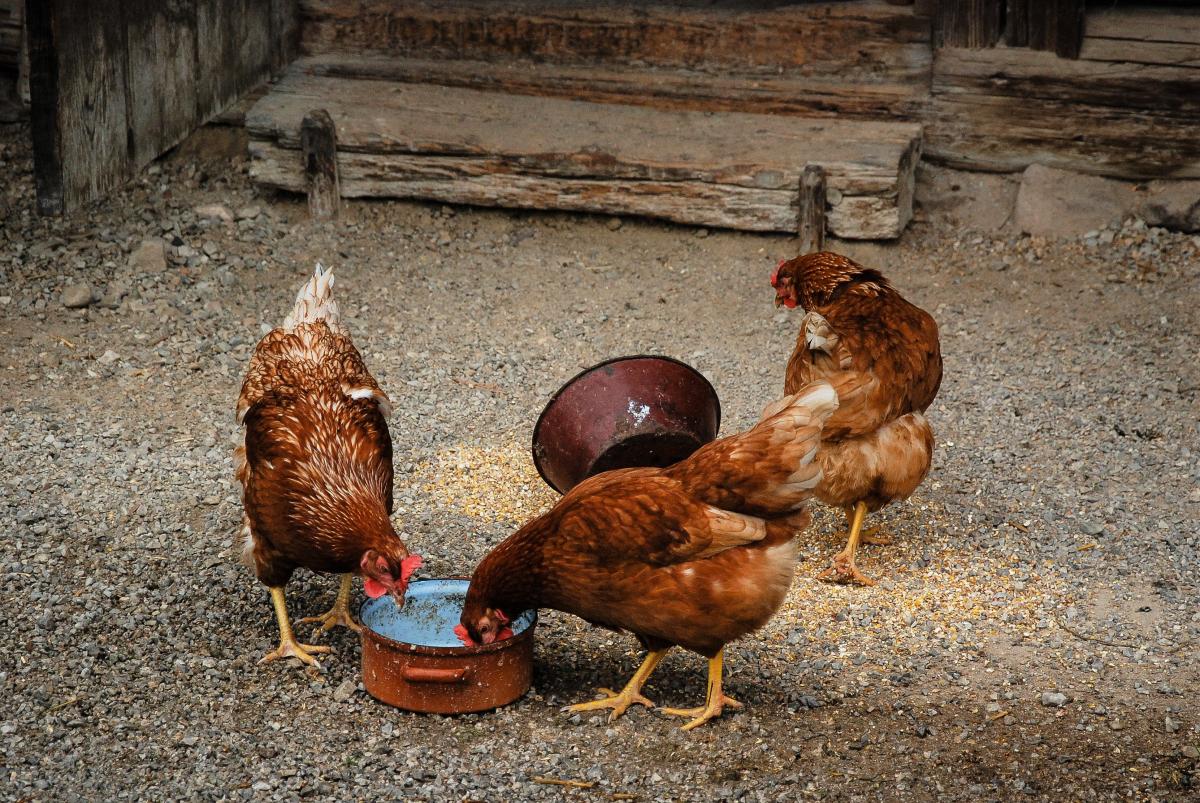
Hens raised at home can sometimes be seen breaking the shell and eating their own eggs. This behavior not only reduces the amount of finished product but also indicates problems in the conditions or diet of the birds.
Main causes of egg pecking
The first factor is stress caused by overcrowding. With less than 1.5–2 m² of free space per chicken, the birds feel uncomfortable, which provokes them to break eggs. The second is improper organization of nests. If the nest is too open or inconvenient, the hen may accidentally crush the egg and eat it. The third is a deficiency of nutrients, particularly protein and calcium, without which the shell forms.
Practical measures to address the problem
To reduce stress, it is necessary to provide a minimum of 1.5–2 m² of space per chicken in the outdoor area and ensure that the birds can move freely. Nests should be darkened, equipped with egg collection, and eggs should be collected as often as possible to prevent the birds from breaking them.
The deficiency of calcium and vitamin D is compensated by adding calcium-rich components to the feed: chalk, shell rock, fish or bone meal. The recommended norm is 5–7% of the total feed mass. Additionally, many farmers crush their own egg shells and mix them with the feed, which satisfies the mineral needs.
For those looking for inexpensive folk methods, there is a method of 'dummy' eggs. Small objects, such as a tennis ball covered with fabric, are placed in the nest. The bird, trying to peck at such a 'egg', realizes that it is inconvenient and refuses the real egg.
Equally important is the lighting of the chicken coop: sufficient light stimulates the production of hormones responsible for egg laying and helps maintain high productivity even in cold periods.
The combination of improving living conditions, proper nest design, and a balanced diet allows for a reduction in the number of egg pecking incidents and ensures a stable daily collection of dozens of eggs.
Source: UNIAN