ASH raises the ferritin threshold for diagnosing iron deficiency in adults
- ASH raises the ferritin threshold to 30 ng/ml.
- Menstruating and pregnant women are excluded.
- The recommendations were published in Blood Advances.
In early 2024, the American Society of Hematology (ASH) published updated clinical guidelines that revised the reference values for laboratory markers used to identify iron deficiency.
New diagnostic criteria
A key change was the threshold for serum ferritin – a protein that stores iron within cells. Previously, most guidelines indicated a value of 15 ng/mL as the cutoff below which iron stores are considered depleted.
In the new guidelines, ASH recommends setting a higher threshold – 30 ng/mL – for adult patients, except for women of reproductive age who are menstruating and pregnant women. This distinction is due to differences in physiological iron consumption.
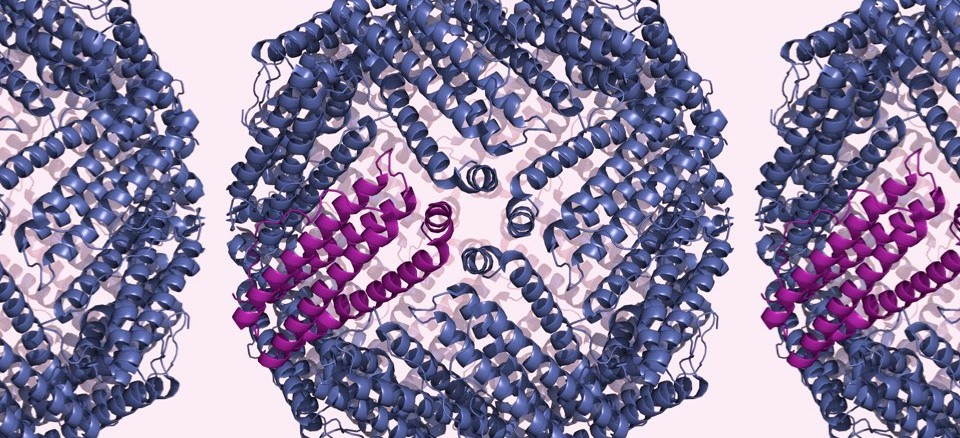
Ferritin remains the most reliable indicator of intracellular iron stores, as its concentration in serum directly reflects the amount of iron stored in the liver and macrophages. At levels below 30 ng/mL, the likelihood of hidden iron deficiency anemia increases, even if hemoglobin levels are still normal.
The revision of the threshold is aimed at increasing the sensitivity of diagnosis. Previously, many patients with moderate iron reserve depletion went unnoticed, which could lead to the progression of anemia and a decline in quality of life, especially in people with chronic diseases.
New guidelines have been published in the journal Blood Advances and are already available for clinical practice. Hematologists, therapists, and laboratory specialists are called to adapt their protocols, considering the higher ferritin threshold, as well as taking into account the age and sex of the patient when interpreting results.
Implementing these changes may contribute to earlier detection of iron deficiency, timely initiation of therapy, and consequently, a reduction in the burden on the healthcare system. It is important to remember that ferritin can be elevated in inflammatory processes, so in complex clinical situations, a comprehensive approach to assessing iron status is recommended.
Source: N+1