Changes in the salinity of the Sea of Azov: causes and consequences
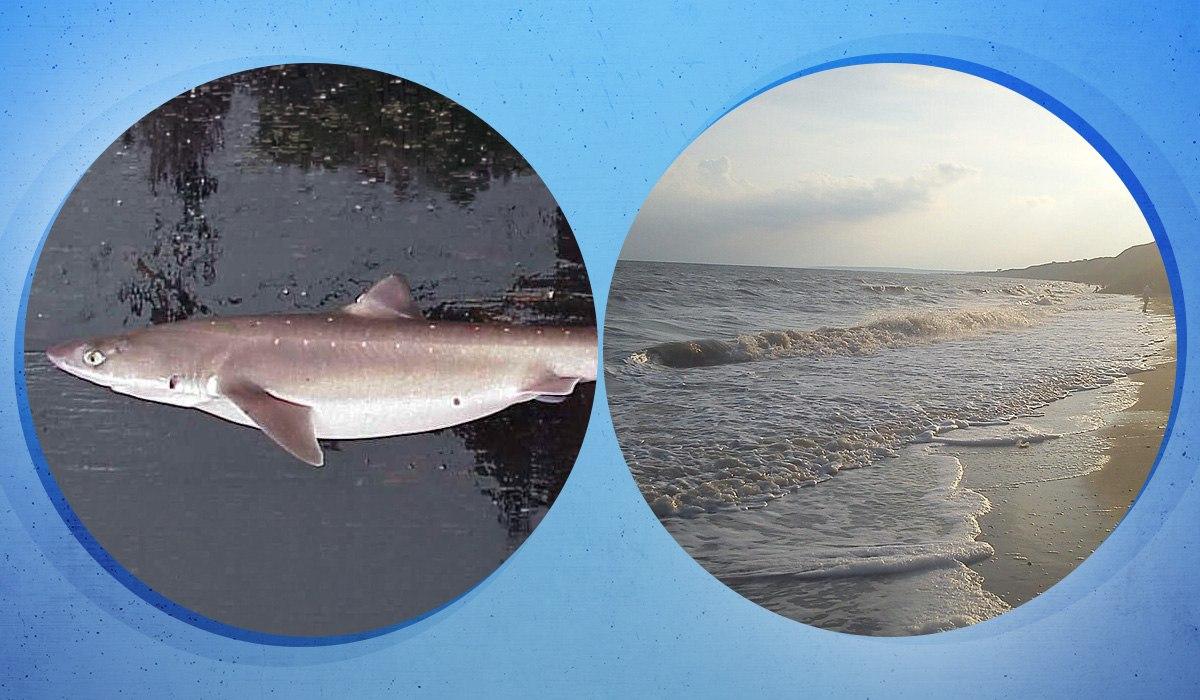
- The Sea of Azov is saltier due to climate change and human activity
- The decrease in biodiversity is associated with the increase in salinity
- The future of the sea may include salt extraction.
Changes in the salinity of the Sea of Azov: causes and consequences
The Sea of Azov, located at the crossroads of Europe and Asia, is undergoing significant changes in its ecosystem balance. Scientists claim that in the distant future, this sea may become a source of salt for future generations. According to Lyudmila Arkhipova, a professor at the Department of Ecology at IFNTUNG, the salinity of the sea is increasing due to several factors, including climate change and a decrease in freshwater inflow.
According to research, the average water temperature in the Sea of Azov has increased by almost 2 degrees over the past 50 years. This leads to faster evaporation of water, which, in turn, increases salinity. Additionally, the reduction of freshwater inflow from rivers such as the Don and Kuban also contributes to this process. The construction of the Tsimlyansk Reservoir in the mid-20th century was one of the factors that led to an ecological disaster in the region.
According to data, before the construction of the reservoir, the average salinity of the Sea of Azov was about 11 parts per thousand. However, 25-30 years after its construction, this figure increased to 13 parts per thousand, and in some places reaches 14-16 parts per thousand. Accurate data on the current level of salinity in the sea is lacking due to difficulties in conducting measurements under occupation.
Reasons for the increase in salinity of the Sea of Azov
The increase in salinity of the Sea of Azov also negatively affects its biodiversity. While in the mid-20th century there were about 140 species of fish in the sea, their number has now decreased by almost half. Scientists note that this is related to the increase in salinity, which leads to a reduction in species and volumes of fish. Currently, the number of commercially valuable fish species is measured in units.
Despite the fact that the Russian occupation affects the ecosystem of the sea, it is not the main reason for the increase in salinity. Scientists emphasize that this is a global process caused by both natural factors and anthropogenic impacts that began back in Soviet times. The influence of the occupation is more evident in the destruction of the ecosystem than in the change of salinity levels.
It is difficult to predict whether it is possible to restore the previous level of salinity after de-occupation. Scientists believe that the changes occurring in the Sea of Azov may be part of a historical geological process. Similar processes have occurred over millions of years when seas dried up and left salt deposits.
Impact on the ecosystem and fishing
An important aspect is that changes in salinity can lead to the formation of new ecosystems. For example, in Sivash, which is separated from the Sea of Azov, high salinity levels are observed, which also leads to the formation of salt deposits. This can serve as an example of how ecosystems adapt to changing conditions.
Scientists also note that we are in the middle of a period of global warming that may continue for another 300-500 years. This means that the salinity of the Sea of Azov is likely to continue increasing. It is important to understand that adapting to these changes requires a reassessment of approaches to fishing and ecology.
Some experts believe that restoring biodiversity is possible through the artificial stocking of new fish species. However, this requires careful planning and understanding of ecosystem processes. It is important to consider that human intervention in nature must be justified and aimed at preserving the ecosystem.
The future of the Azov Sea and its ecosystem
In conclusion, changes in the salinity of the Azov Sea represent a complex and multifaceted process that requires further study. Scientists emphasize the need for monitoring the state of the sea and developing strategies for its conservation and restoration. This is especially relevant in the context of current ecological and political challenges.
The future of the Azov Sea depends on many factors, including climate change, human activity, and the political situation in the region. Scientists are calling for joint efforts to protect this unique ecological region, which is crucial for biodiversity and the economy.
Thus, the Azov Sea faces serious challenges, and its future remains uncertain. It is important to continue research and monitoring to understand how best to adapt to changes and preserve this important water space for future generations.
Source: UNIAN