Egypt is building a "new Nile" to green the desert, but is facing serious problems
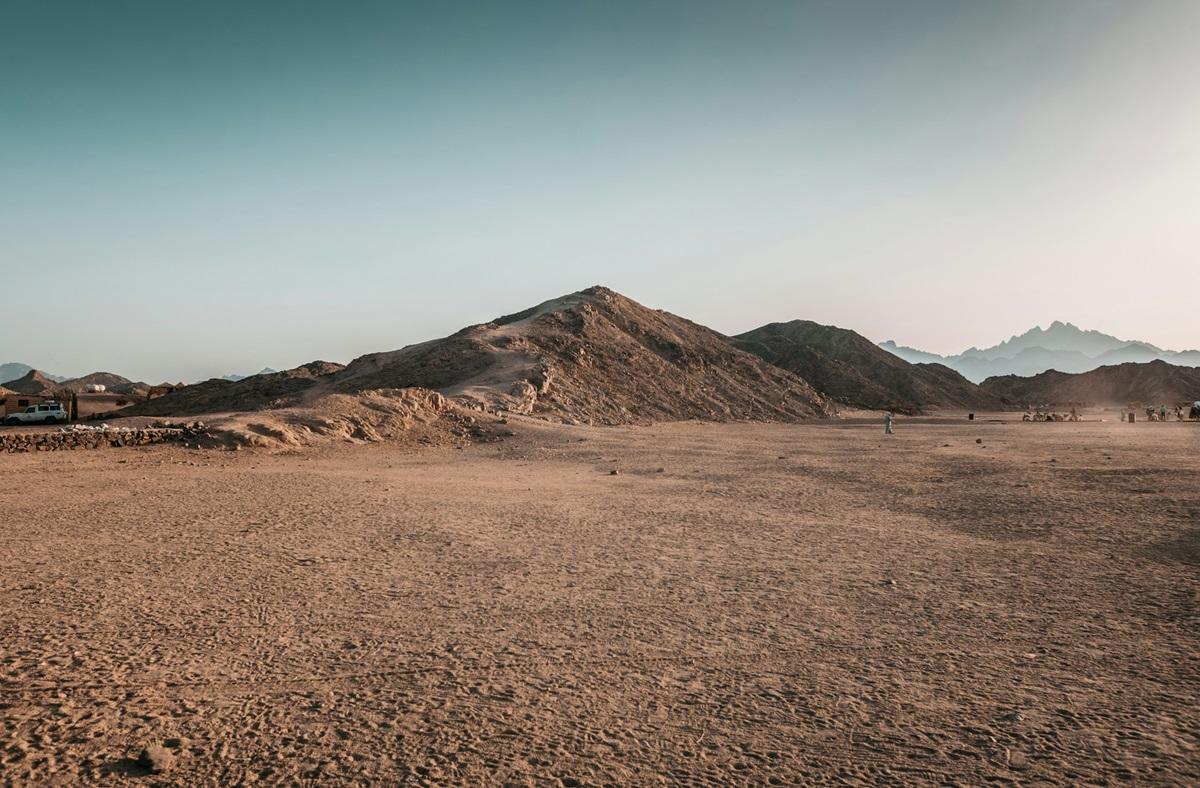
- The "New Delta" project aims to green the desert
- The implementation faces technical problems
- The threat of soil salinization may jeopardize the project's success
Egypt is building a "new Nile" to green the desert
An ambitious project called "New Delta" has been launched in Egypt, aimed at transforming nearly a million hectares of desert land into fertile agricultural land. This project, already referred to as the "new Nile," involves the creation of an artificial irrigation system capable of providing water supply for growing grains, vegetables, and fruits. The official launch of the project took place in May 2026 under the leadership of President Abdel Fattah el-Sisi, who emphasizes its importance for the future of the country's agriculture.
The "New Delta" project is one of the largest agricultural initiatives in the world, and its implementation requires significant financial investments. It is estimated that the project's cost is around 800 billion Egyptian pounds, which is equivalent to approximately 14 billion dollars. An important element of the project is the construction of a giant water treatment plant, which was commissioned in 2023 and is capable of processing up to 7.5 million cubic meters of water per day. This will allow for efficient resource use and the reuse of already used water.
However, despite the ambitious plans, the project faces serious technical obstacles. In August 2026, it became known that the readiness of one of the water supply systems is only 79%. This raises concerns about the project's ability to provide the necessary volume of water for new agricultural lands, which could negatively impact its successful implementation.
The "New Delta" Project and Its Goals
One of the key issues identified during the research is the condition of the El-Nasr canal, which plays an important role in the water supply of the "New Delta". Studies have shown that approximately 470,000 cubic meters of sediment have accumulated in the canal, reducing its capacity. An increase in the calculated water yield could lead to a dangerous rise in water levels in certain sections of the canal, creating additional risks for the operation of pumping stations.
To address the water supply issue, Egypt is constructing two major pipelines, each extending 150 kilometers to new agricultural lands. As part of this system, 19 large pumping stations have been designed and built. However, studies show that even with these measures, transporting a larger volume of water will require 15% more hydraulic capacity, which raises doubts about the efficiency of the entire system.
Environmental risks also pose a serious threat to the project. One of the main concerns is the possibility of soil salinization, which could occur due to improper management of water resources. If issues with water supply and soil protection are not resolved, the future of the investment project worth over 10 billion dollars may be at risk.
Technical problems and challenges
The success of the "New Delta" project depends not only on the construction of necessary infrastructure facilities but also on their sustainable operation over decades. If the project is successfully implemented, it could lead to a significant increase in agricultural production in Egypt and the transformation of large areas of desert into fertile land.
However, current issues with water supply and the need to clear channels of sediment highlight that the project requires a comprehensive approach to resource management. Scientists emphasize that simply removing sediment will not solve all problems, and long-term strategies must be developed to ensure sustainable water supply.
In the context of global climate change and increasing pressure on water resources, the "New Delta" project could serve as an example of how countries can adapt to new conditions. However, it is essential to consider all the risks and challenges that the project faces.
Environmental risks and the future of the project
Comparison with other major infrastructure projects, such as the "Seine – Northern Europe" canal in France, shows that similar initiatives often face delays and budget increases. This underscores the importance of careful planning and project management to avoid unforeseen expenses and time costs.
In conclusion, the "New Delta" project in Egypt represents an ambitious attempt to transform the country's agriculture and improve food security. However, its success depends on the ability to address current technical and environmental challenges, which requires a comprehensive approach and long-term planning.
Thus, the future of the project remains uncertain, and its implementation could serve as both an example of successful adaptation to climate change and a warning about the risks associated with large infrastructure projects. It is important to monitor the situation's development and assess how Egypt will cope with these challenges.
Source: UNIAN