Cybersecurity in the Age of AI: Expert Opinion by Anton Kulik
- Artificial intelligence complicates cybersecurity
- Attacks are becoming more accessible to attackers
- The need to reassess approaches to data protection
Cybersecurity in the Age of AI: Expert Opinion by Anton Kulik
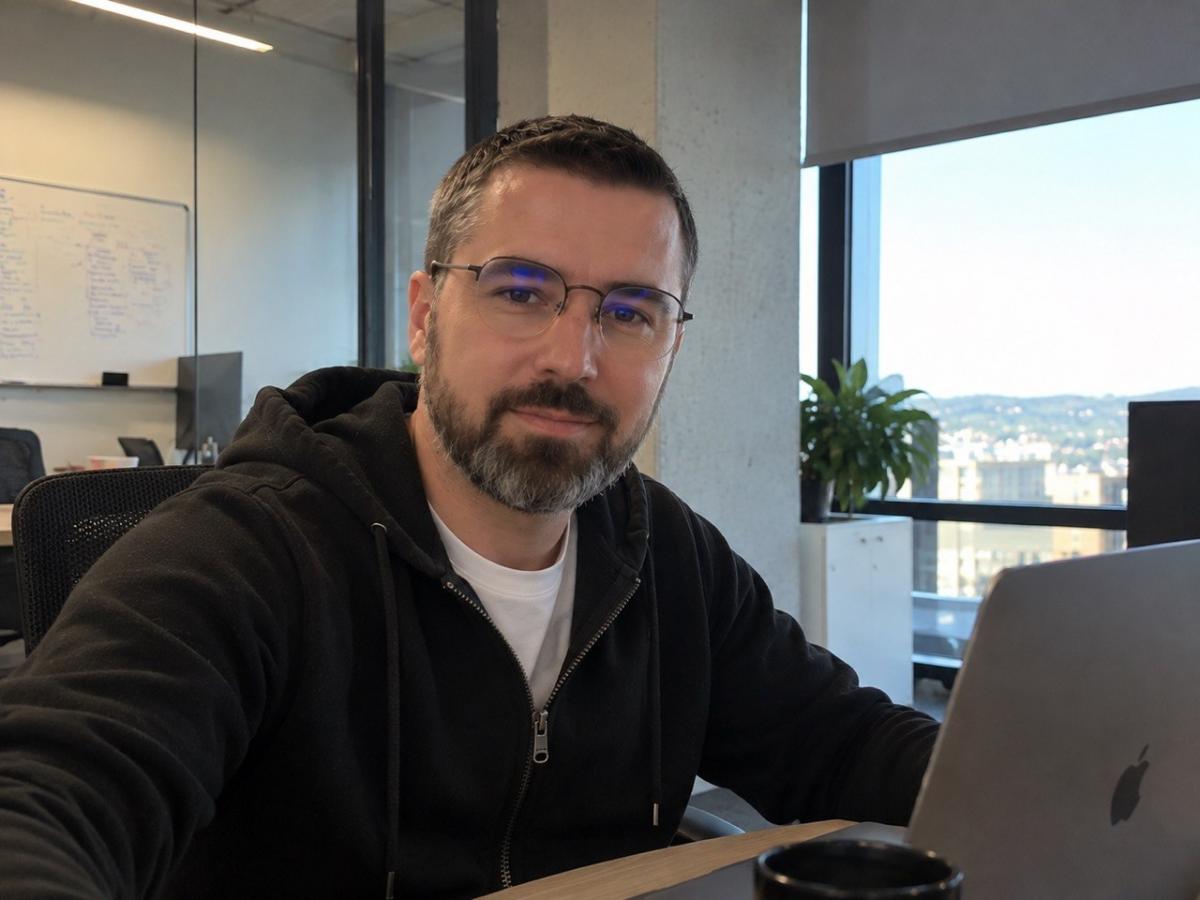
According to data from Check Point Software Technologies, by 2025 organizations will face nearly 2000 cyberattacks per week, which is 70% more compared to 2023. This alarming statistic highlights the growing threat of cybercrime. Anton Kulik, a cybersecurity expert, notes that one of the reasons for this increase is the use of artificial intelligence, which has significantly simplified access to cyberattacks for a wider range of criminals.
Kulik emphasizes that modern attacks are becoming more diverse. Instead of large groups of hackers that previously carried out attacks, there is now a rise in the number of small groups and individual criminals. This makes cybercrime more widespread and harder to control. Scammers have found it easier to deceive victims by using messengers and work services for communication.
The expert also points out that many cyberattacks are not related to highly skilled hackers, but occur due to vulnerabilities that companies did not consider a priority. According to him, about 60% of incidents are related to this. This highlights the need for a more careful approach to security and vulnerability management.
The rise of cyberattacks and the role of artificial intelligence
To address website security issues, Anton Kulik developed the VulnWatch platform, which takes into account the new capabilities provided by artificial intelligence. The platform is already used by more than 12,000 users worldwide, including in the USA. The unique features of the service allow for the analysis of incidents related to AI, making it an important tool for organizations looking to improve their cybersecurity.
One of the key features of VulnWatch is the use of an international incident database related to AI. Kulik was actively involved in its development, analyzing real cases of attacks and adding them to the database. This allows for more accurate identification of vulnerabilities in systems using artificial intelligence and offers effective solutions for their remediation.
Kulik also emphasizes the importance of training specialists in the field of cybersecurity. He believes that they should have a foundation in programming and not rely solely on developers, who may make mistakes. In his opinion, many modern programmers are unable to write code without the help of neural networks, which creates additional security risks.
The VulnWatch platform and its unique features
Anton Kulik has extensive experience in developing digital products. He has worked on projects related to call center automation, where he successfully implemented solutions for protecting customer data. This shows that even at the design stage, measures can be anticipated to prevent information leaks and protect against cyberattacks.
In his work at Besitos Corporation LLC, Kulik was involved in code review, which allowed for the identification of errors and vulnerabilities before systems were launched. This experience highlights the importance of early detection of issues in code, which can significantly reduce the risks of cyberattacks and enhance the overall security of software.
Kulik is also actively involved in the open-source community, developing authorization modules and fixing vulnerabilities in the code. His work on the integration with PayPal helps developers confidently use this platform, knowing that user data is protected from hacking. This is another example of how the experience and knowledge of an expert can be beneficial to a wide audience.
The need to change approaches to cybersecurity
According to Kulik, the approach to cybersecurity must change in light of new challenges associated with the development of artificial intelligence. It is necessary to reconsider the basic security architecture, monitor the use of technologies within companies, and focus on early threat detection. This will allow organizations to stay one step ahead of attackers in the new digital reality.
Kulik emphasizes that cybersecurity is not only about technical measures but also about cultural changes within organizations. It is important for all employees to understand the importance of security and be ready to cooperate in this area. This requires a comprehensive approach and involvement from all levels of management.
In conclusion, Anton Kulik calls for a more active implementation of innovative solutions in the field of cybersecurity. He is confident that this is the only way to effectively counter the growing threats and ensure data protection in an environment where artificial intelligence continues to evolve and complicate the landscape of cybercrime.
Source: UNIAN