BYD once again overtook Tesla and reclaimed the title of world leader in electric vehicles
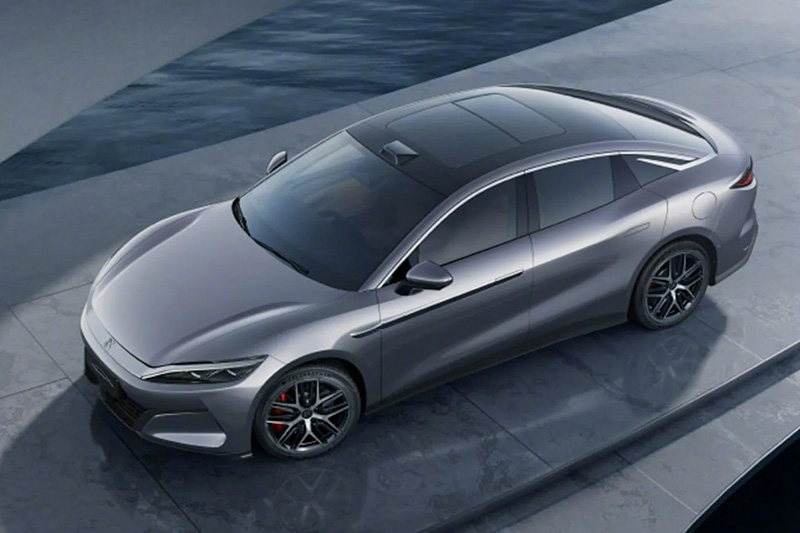
- BYD has once again topped the global market for pure electric vehicles.
- Tesla lost the top spot despite a 25% increase in sales.
- Exports accounted for 44% of BYD's production in the second quarter of 2026.
- Toyota and Leapmotor improved their positions, while Volkswagen dropped out of the top 10.
TrendForce analysts reported that from April to June 2026, BYD regained its leadership in the global battery electric vehicle (BEV) segment. By the end of the second quarter, the company surpassed American competitor Tesla, which had managed to take the top spot in the previous quarter after a decline in BYD's sales in the domestic Chinese market.
Tesla's sales growth rate for the year was 25%, but this was not enough to maintain its leading position. BYD, although it recorded a decrease in volumes compared to 2025, was able to slow the rate of decline and reclaim the top spot.
Exports as a key driver
An important factor in the recovery of the Chinese automotive giant's position was the expansion of export shipments. In the first half of 2026, the share of BYD's exported vehicles reached 44% of the total production volume, highlighting the growing importance of foreign markets for the company.
China remains the largest market for new energy technologies, however, demand in the country has weakened: in the second quarter, China accounted for 56% of global sales of electric vehicles, hybrids, and fuel cell vehicles, down from 66% in the same period last year.
The decline in domestic demand is forcing Chinese manufacturers to seek growth outside the country. According to TrendForce, the ability to export is becoming a decisive competitive advantage.
Changes in the global ranking
In addition to BYD, there have been significant shifts in the global rankings. Chinese Leapmotor has taken third place for the first time, although its sales are mainly concentrated in China. With the support of major shareholder Stellantis, the company gains access to European manufacturing and distribution infrastructure, which may accelerate its international expansion.
Japanese Toyota is showing rapid growth: in the second quarter of 2026, its electric vehicle sales increased by 143% year-on-year, allowing the company to take seventh place in the world. Analysts attribute this success to a wide dealer network that enables quick launches of new models in various markets.
German Volkswagen has fallen out of the top ten largest electric vehicle sellers for the first time, raising questions about the effectiveness of its electrification strategy.
BYD also maintains its leadership in the plug-in hybrid (PHEV) segment, increasing its lead over competitors. The market share after BYD is distributed among manufacturers with a difference of less than one percentage point.
Special attention is paid to the European PHEV market. Despite a decline in sales in China, Chinese brands (except for Volvo Cars, owned by Geely) captured nearly 30% of the plug-in hybrid market in Western Europe, where no additional tariffs are imposed. This indicates a softening of European consumers' attitudes towards Chinese cars.
Thus, BYD has strengthened its position in both the pure electric vehicle segment and the hybrid category, leveraging exports and growing recognition in Europe. For Tesla and other competitors, this is a signal to enhance international sales and reassess growth strategies.
Source: 3DNews