Samsung promises 7 years of updates for TVs: what do LG, Sony, and others offer
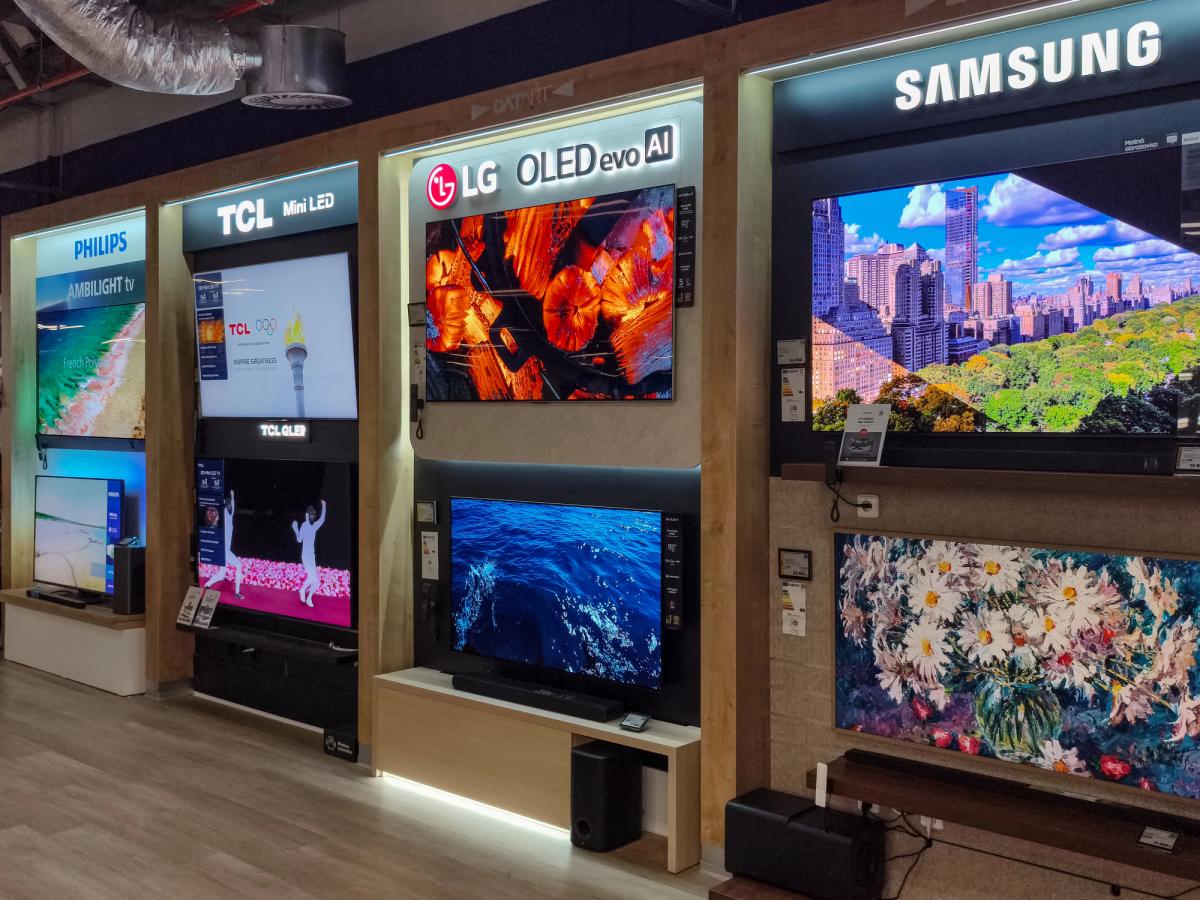
- Samsung offers 7 years of updates
- LG: four webOS upgrades over five years for eligible models
- Sony does not set a fixed support term
Samsung and TV updates: new standards in the market
Samsung says eligible TVs released from 2023 receive free One UI Tizen upgrades for up to seven years from the launch year. Support varies by model and region: for example, Samsung specifies support through 2030, not 2031, for an eligible 2024 TV.
Samsung TVs released in 2023 may also qualify for the seven-year One UI Tizen upgrade program. For earlier models and individual features, check support by model and region; it is incorrect to say that every pre-2024 TV is excluded.
The introduction of long-term support from Samsung could change the game in the TV market. Consumers are increasingly viewing TVs as long-term investments, and the ability to receive updates for seven years could be a decisive factor in choosing a device. This may also push other manufacturers to reconsider their support strategies.
Long-term support from Samsung
LG describes its webOS Re:New program as four OS upgrades over five years for eligible models. That is five webOS versions including the preinstalled one; eligible models, features and timing vary by model and region. It is inaccurate to compare it with Samsung as exactly “four years of support.”
Sony does not set a fixed term for software support for its TVs, which creates uncertainty for consumers. For example, different models may receive updates at different times, making it difficult to choose. Some models may receive updates until 2029, while others until 2030. This may cause dissatisfaction among users who expect clearer information about support timelines.
TCL and Hisense also do not provide fixed update timelines. TCL focuses on general security recommendations, while Hisense promises support for up to eight years for models with the VIDAA operating system, but this only applies to certain regions. This creates confusion for consumers who may not know how long their devices will receive updates.
Comparison with competitors
The platforms on which TVs operate also play an important role in update timelines. For example, Sony TVs released after 2021 run on Google TV, which may provide longer support. However, the lack of a unified standard for updates makes choosing a TV more complicated for consumers.
The practical implications of long-term support from Samsung can be significant. Consumers who invest in TVs with guaranteed updates can be confident that their devices will remain relevant and secure for a long time. This may also reduce the need for TV replacements, which in turn could impact the market.
Nevertheless, the end of software support does not necessarily mean that the television needs to be replaced. Consumers can use external streaming devices to continue accessing current apps and services. This can be an alternative solution for those who do not want to upgrade their television.
Practical implications and uncertainties
Comparing update timelines between different manufacturers shows that Samsung is setting a new standard in the market. This may push competitors to improve their offerings to keep up with the leader. Ultimately, this could lead to an overall improvement in customer service quality.
Uncertainties remain regarding how long other manufacturers will be able to support their devices. For example, Roku and Amazon do not provide clear update timelines for their televisions, which may cause dissatisfaction among users. This highlights the need for a more transparent update policy in the industry.
In conclusion, long-term support from Samsung may change consumer perceptions of televisions as long-term investments. This could also lead to tougher competition in the market, ultimately benefiting consumers by providing them with higher quality and more durable devices.
Source: UNIAN