Unusual brain activity under anesthesia calls into question our understanding of consciousness
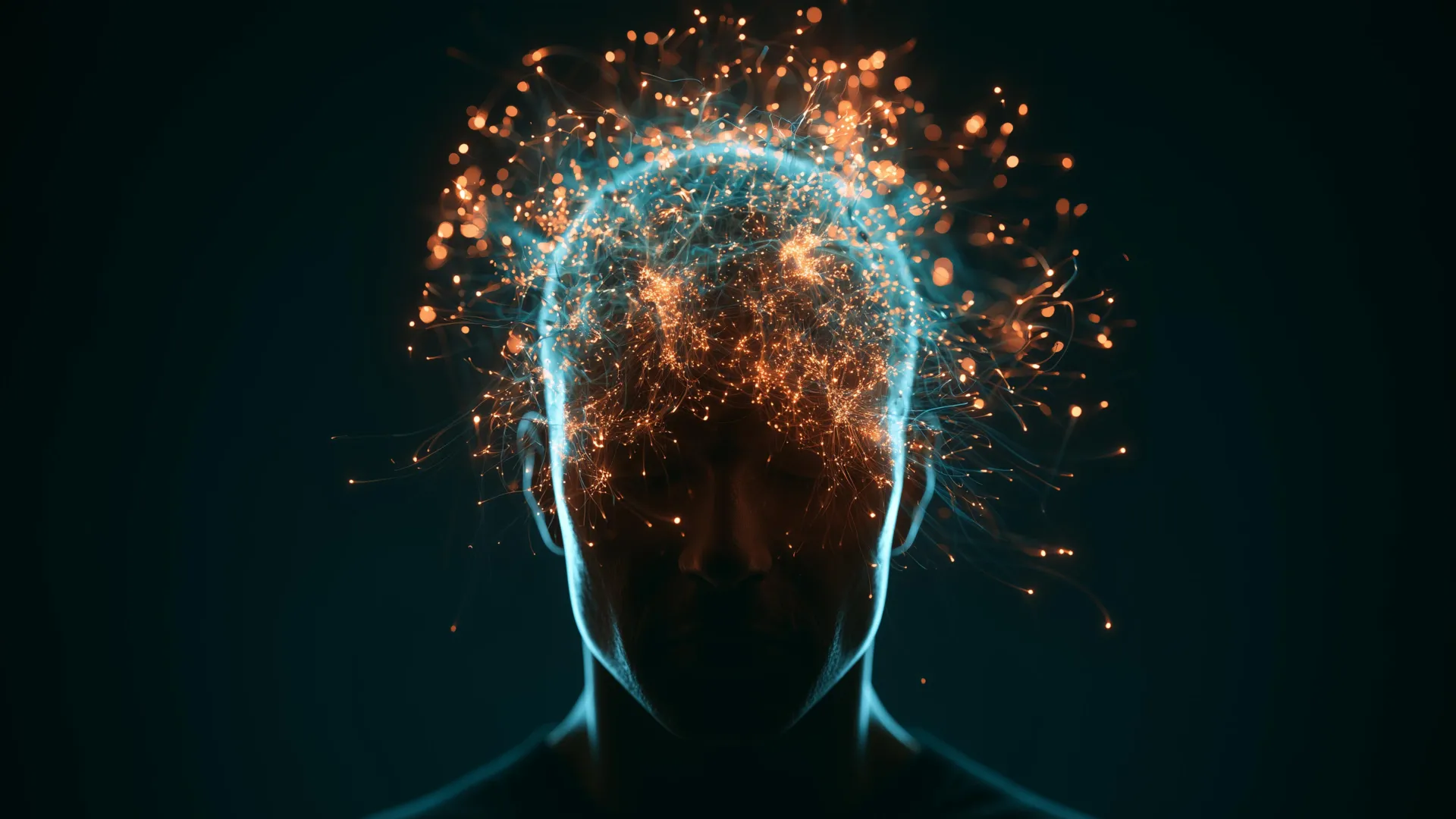
- The brain under anesthesia processes language
- The study revealed neuroplasticity in an unconscious state
- The results challenge traditional views of consciousness
Unusual brain activity under anesthesia
A recent study conducted at Baylor College of Medicine revealed surprising aspects of brain function under general anesthesia. Despite a complete lack of conscious activity, the brain continues to process information, including language and predictions about what might happen next. These results, published in the journal Nature, challenge traditional views on the relationship between consciousness and thought, opening new horizons for understanding brain function.
Dr. Samir Sheth, a professor of neurosurgery and the lead author of the study, noted that "the brain is much more active and capable in an unconscious state than previously thought." The study was conducted on patients undergoing surgery for epilepsy under anesthesia, providing a unique opportunity to examine the activity of the hippocampus — the area of the brain responsible for learning and memory.
Using advanced technologies such as neuro-pixel probes, researchers were able to track the electrical activity of hundreds of neurons in the hippocampus. These devices provided a detailed picture of the neurons' responses to sound signals, even when patients were in an unconscious state and could not report their sensations.
Baylor College of Medicine Study
The first experiment involved playing a series of repeating tones interrupted by unexpected sounds. Despite anesthesia, neurons in the hippocampus reacted differently to unexpected sounds, demonstrating signs of neuroplasticity. This indicates that some processes related to learning continue to function even without conscious perception.
In the second experiment, researchers played short stories for anesthetized patients while continuing to record neuronal activity in the hippocampus. The results showed that the brain is capable of processing language at an astonishing level, including distinguishing categories of words such as nouns, verbs, and adjectives. This suggests that the hippocampus responds to meaningful aspects of language, not just sound signals.
Moreover, neural activity contained information that allowed predicting subsequent words in the sentence. Even in an unconscious state, the brain seemed to anticipate how language would develop around it. Dr. Shet noted that "the brain anticipates what will come next in the story, even without conscious perception."
Neuroplasticity and language processing
These results raise important questions about the role consciousness plays in the brain's ability to process information. Typically, consciousness is associated with subjective perception, including the experience of hearing and understanding the surrounding world. However, the study shows that some neural processes related to language interpretation and predicting future information may continue even in the absence of this perception.
This does not mean that patients under anesthesia consciously understood the stories being played to them. Rather, it suggests that the brain can perform surprisingly complex aspects of language processing without awareness of this process. This distinction may help researchers better understand how consciousness arises.
One possibility is that consciousness depends not only on the activity of individual areas of the brain but also on how information is coordinated and transmitted between larger networks of brain structures. In this context, the hippocampus may continue to analyze information even when broader communication between brain regions is disrupted.
Questions about consciousness and its role in information processing
Thus, the results of the study open new horizons for understanding how the brain works and its ability to learn and adapt. This could lead to new approaches in the rehabilitation of patients with neurological damage, helping them regain communication abilities.
In the future, researchers may use these discoveries to develop technologies that help people who have suffered brain injuries interact better with the world around them. Understanding how the brain processes information in an unconscious state may be key to creating new treatment and rehabilitation methods.
In conclusion, the study from Baylor College of Medicine emphasizes that the brain is capable of much more than we previously assumed, even in a state of anesthesia. This finding not only challenges our notions of consciousness but also opens new possibilities for exploring neurobiology and rehabilitation.
Source: ScienceDaily