Ozempic and Wegovy are associated with a rare risk of sudden vision loss
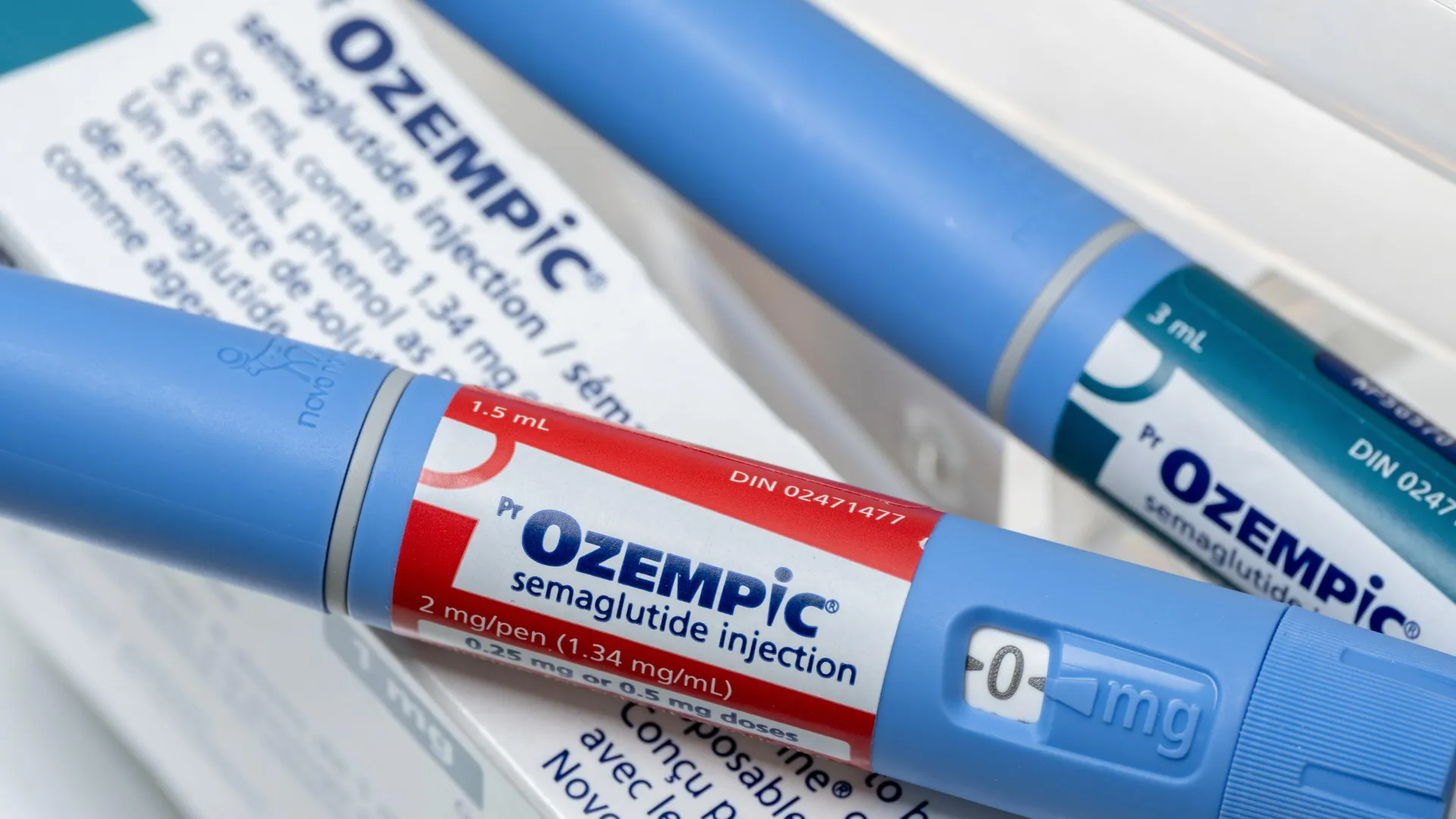
- Ozempic and Wegovy may increase the risk of rare vision loss
- Ischemic optic neuropathy is associated with these medications
- It is important to monitor changes in vision in patients
Ozempic and Wegovy: a new risk for vision
A recent study conducted by scientists at Rutgers University revealed a potential risk to vision associated with widely used medications for diabetes and weight loss, such as Ozempic and Wegovy. The study found that patients taking these drugs may face a slightly increased risk of developing a rare condition known as ischemic optic neuropathy. This condition occurs when blood flow to the optic nerve is reduced, which can lead to serious vision problems.
The study, published in the Annals of Internal Medicine, analyzed data from a large database of patients aged 18 to 65 with type 2 diabetes. The researchers focused on those who had recently started taking medications to manage their condition, including a class of drugs known as glucagon-like peptide-1 (GLP-1) receptor agonists. These include semaglutide (sold under the names Ozempic and Wegovy) and tirzepatide (sold as Mounjaro and Zepbound).
Although GLP-1 medications help control blood sugar levels and manage weight, their potential side effects are still under investigation. Researchers have found that the use of GLP-1 is associated with a slight increase in the likelihood of ischemic optic neuropathy. While this condition is rare, its consequences make this finding important for clinicians and patients.
The study and its results
According to Chintan Dave, one of the study's authors, the increase in risk was small — about three to four additional cases per 10,000 patients receiving GLP-1 treatment over 18 months. Although the absolute risk remains low, the growing popularity of these medications makes continued monitoring of their safety necessary. These drugs are now widely prescribed to both people with type 2 diabetes and those without.
The study also revealed certain patterns among patients who developed this disease. Cases of ischemic optic neuropathy were more common among men and adults in the older age group. "Most patients in our study who had ischemic optic neuropathy were men or women aged 50 to 65," noted Dave.
Ischemic optic neuropathy can manifest as sudden vision loss, which can be permanent. It has previously been established that over 80% of cases of this disease are related to the non-arteritic anterior form, where the blood supply to the front of the optic nerve becomes insufficient, which can damage the nerve and disrupt vision. Vision loss in such cases often turns out to be irreversible.
Potential health implications
According to Dave, about one third of patients affected by ischemic optic neuropathy experience some recovery, usually within the first six months. However, even with improvement, a certain degree of vision impairment typically remains. This condition generally does not lead to complete blindness, but it can affect part of the vision in one eye, causing sudden blurriness, darkening, or loss of areas in the field of vision.
Despite the identified link, researchers emphasize that their results do not confirm that GLP-1 medications directly cause damage to the optic nerve. Other factors, including differences in patients' baseline health conditions, may explain the increased risk observed in the study. Further research is needed to determine whether the medications themselves contribute to the development of this condition.
Currently, the study results emphasize the importance of recognizing sudden changes in vision and seeking medical help, especially among individuals who may already be at increased risk. It is important for both clinicians and patients to be aware of the possible symptoms and consequences associated with the use of GLP-1.
The need for further research
The research team also included Kamika Reynolds and Kimberly O'Malley from the Institute of Health, as well as Jason Roy from the Rutgers School of Public Health. Their work highlights the need for further investigation into the safety and efficacy of GLP-1 medications, especially in light of their growing popularity.
As GLP-1 medications become increasingly common, it is important for healthcare professionals to continue monitoring potential side effects and to inform patients about possible risks. This is particularly relevant for those who already have a predisposition to eye diseases or other comorbid conditions.
In conclusion, although the risk of ischemic optic neuropathy with the use of GLP-1 remains low, its presence requires attention. Patients taking Ozempic and Wegovy should be aware of possible changes in vision and seek medical help promptly to minimize the risk of serious consequences.
Source: ScienceDaily