Quitting Coffee and Blood Pressure: Why the Effects Depend on Your Habits and Health
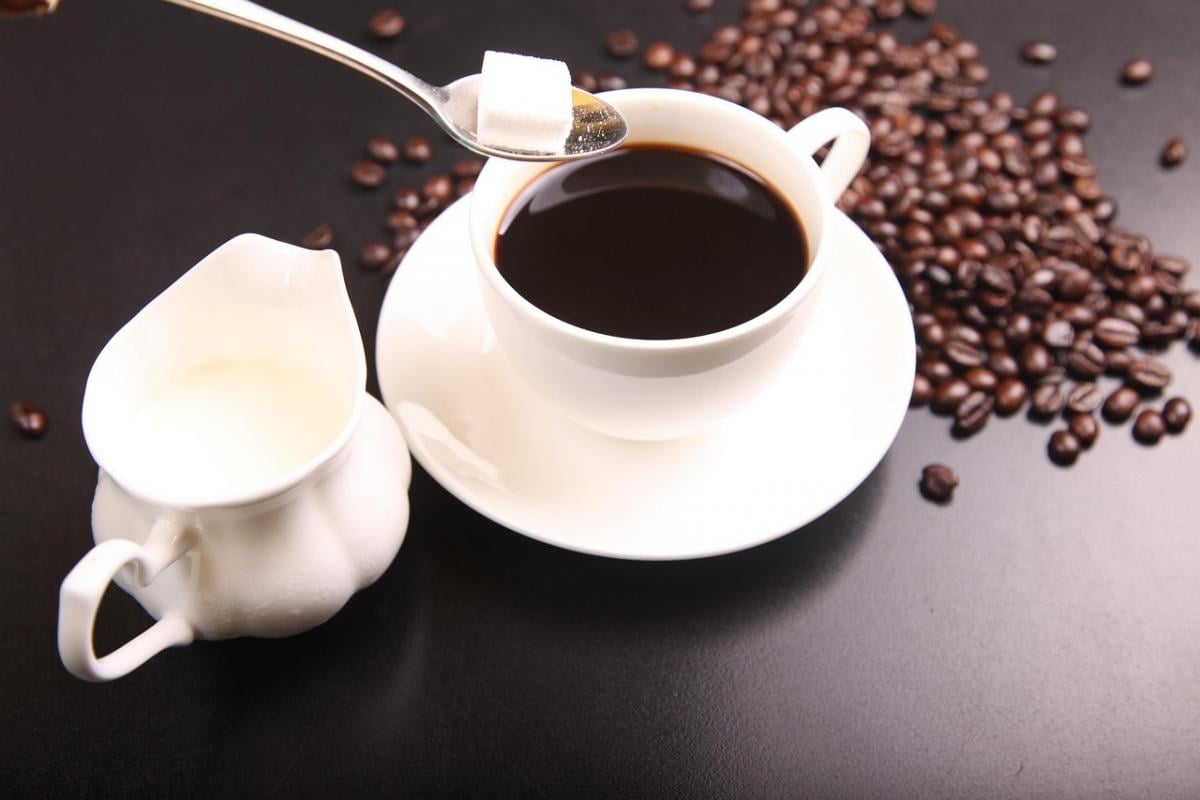
- Caffeine usually raises blood pressure temporarily, and the strength of the effect depends on a person's habits and individual characteristics.
- For people with grade 2 or 3 hypertension, a study linked drinking two or more cups of coffee a day to more than twice the risk of dying from cardiovascular causes, compared with drinking one cup or less.
- Abruptly stopping caffeine can cause symptoms within 12–24 hours; no definitive link has been established between these symptoms and an increase or decrease in blood pressure.
Caffeine and blood pressure: short-term effects
Caffeine can temporarily raise blood pressure, but that doesn’t mean that giving up coffee will necessarily lead to a noticeable or lasting decrease. According to the medical data cited, the usual rise in blood pressure after a cup of coffee is generally small and short-lived, lasting from an hour and a half to 9.5 hours. So the question is not just whether someone drinks coffee, but also how their body responds to caffeine.
There is no one-size-fits-all answer: the response depends on how often a person drinks coffee and their baseline blood pressure, as well as various individual factors and circumstances. The factors mentioned include weight, use of oral contraceptives, smoking, pregnancy, and altitude. Given this combination of variables, you cannot assume in advance that quitting the habit will affect everyone’s blood pressure in the same way or lead to a particular outcome.
This difference also matters when assessing the short-term effect itself. Someone who rarely drinks coffee may react differently to a cup than someone for whom coffee has become a regular part of the day. So observing one person’s blood pressure after drinking coffee does not provide a universal prediction for others. Nor does the available evidence support reducing the consequences of giving up coffee to the simple formula “quit coffee = lower blood pressure.”
Why Habit and Baseline Status Matter
One factor associated with different responses is caffeine use habits. Regular consumers may develop tolerance over time: after a cup of coffee, their blood pressure rises less than that of people who drink coffee infrequently. This observation helps explain why the effects of caffeine and the presumed effects of stopping it may differ. However, this difference alone does not answer the question of what happens to a regular coffee drinker’s blood pressure after they stop consuming it.
A study published in the journal Nutritional Neuroscience involved 77 healthy adults who were given espresso. People who did not habitually drink coffee experienced an increase in systolic, or upper, blood pressure. No such change after the drink was observed in regular coffee drinkers. The result is consistent with the possibility of a weaker response among those who consume coffee regularly, but it does not establish exactly why that response occurred.
The authors note that the observed difference could be explained in different ways: it may reflect caffeine tolerance, but it is also possible that regular coffee drinkers already had elevated blood pressure associated with coffee consumption. It therefore remains unclear how much giving up coffee would change this group’s readings over the long term. The debate over whether caffeine affects blood pressure only in the short term or also over a longer period is not resolved by the data presented.
What the data showed about severe hypertension
Particular attention was given to people with severe hypertension. In a study published in the Journal of the American Heart Association, Japanese researchers followed the habits of 18,609 people for nearly 19 years. Among participants with grade 2 or 3 hypertension—blood pressure of 160/100 or higher—drinking two or more cups of coffee a day was associated with more than twice the risk of death from stroke, heart attack, or other cardiovascular diseases.
The comparison was with people who drank one cup of coffee a day or less. These results apply specifically to the group with grade 2 and 3 hypertension and to the stated consumption categories; they cannot automatically be generalized to all coffee drinkers. In addition, the study concerns an association between a habit and the risk of death, not proof that coffee itself caused a specific cardiovascular event in each participant.
One possible explanation given in the article is that caffeine may have further raised blood pressure in people whose blood pressure was already very high. Stroke and heart attack are closely linked to high blood pressure, but this explanation is presented as a hypothesis, not as an established cause of the observed risk. The practical takeaway is limited: for people with severe hypertension, the findings on two or more cups warrant attention, but the mechanism behind the association remains unclear.
Caffeine Withdrawal: Symptoms and a Cautious Approach
In the same study, green tea was not associated with an increased risk of death from heart disease, even among participants with hypertension. Tea also contains caffeine, though less than coffee. This comparison suggests that it may not be just the amount of caffeine that matters, but also the beverage it comes from. However, these findings do not establish why the results differed for coffee and green tea.
Abruptly stopping caffeine use can cause withdrawal symptoms. According to the medical reference StatPearls, unpleasant symptoms may appear 12–24 hours after the last cup. Possible symptoms include fatigue, headache, irritability, reduced motivation, difficulty concentrating, mood swings, reluctance to socialize, nausea, muscle aches, and flu-like sensations. Their appearance does not mean that blood pressure has necessarily changed.
No clear pattern has been described in which blood pressure necessarily rises or falls during withdrawal. People with blood pressure problems are advised to discuss the situation with a doctor: headaches and fatigue can resemble signs of hypertension. To make withdrawal easier, medical professionals recommend reducing caffeine gradually rather than stopping abruptly. Over-the-counter pain relievers, rest, and drinking enough water are also mentioned as possible aids; the exact effect of these measures on each person is not specified.
Source: UNIAN